

Your Custom Text Here
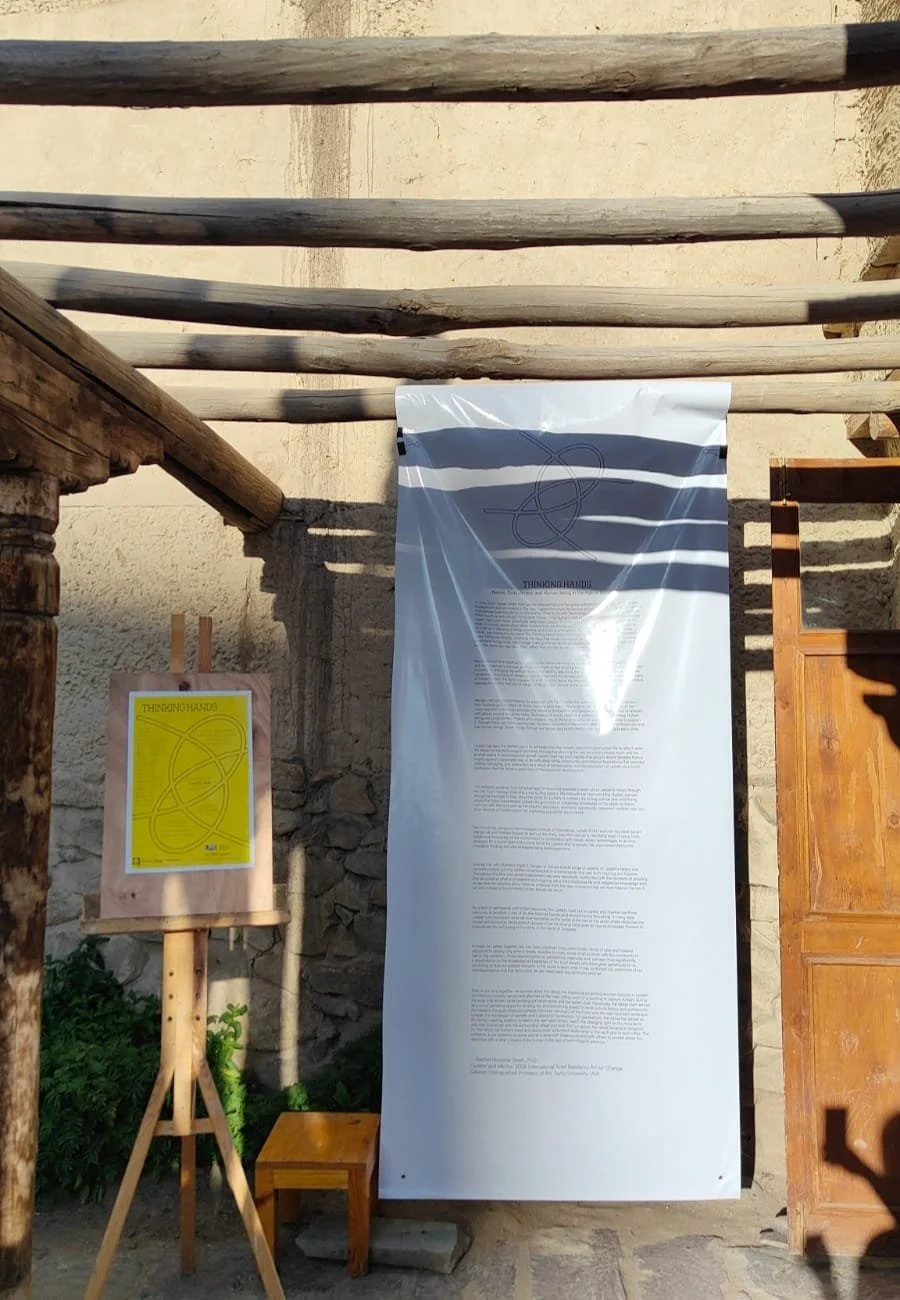
Thinking Hands: Nature, Embodiment, and Human Being in the Age of Technology
You cannot stay on the summit forever; you have to come down again. So why bother in the first place? Just this: What is above knows what is below, and what is below does not know what is above. One climbs, one sees. One descends one sees no longer, but one has seen. There is an art of conducting oneself in the lower regions by the memory of what one saw higher up. — René Daumal, French writer (1908-1944)
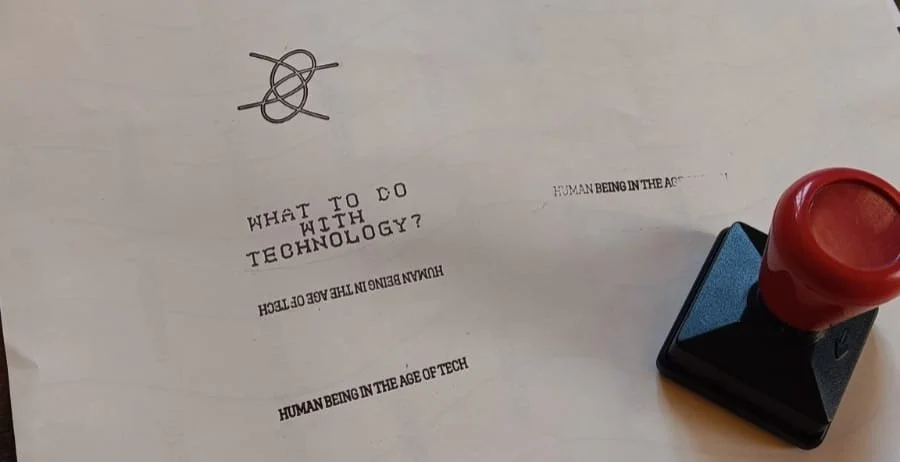
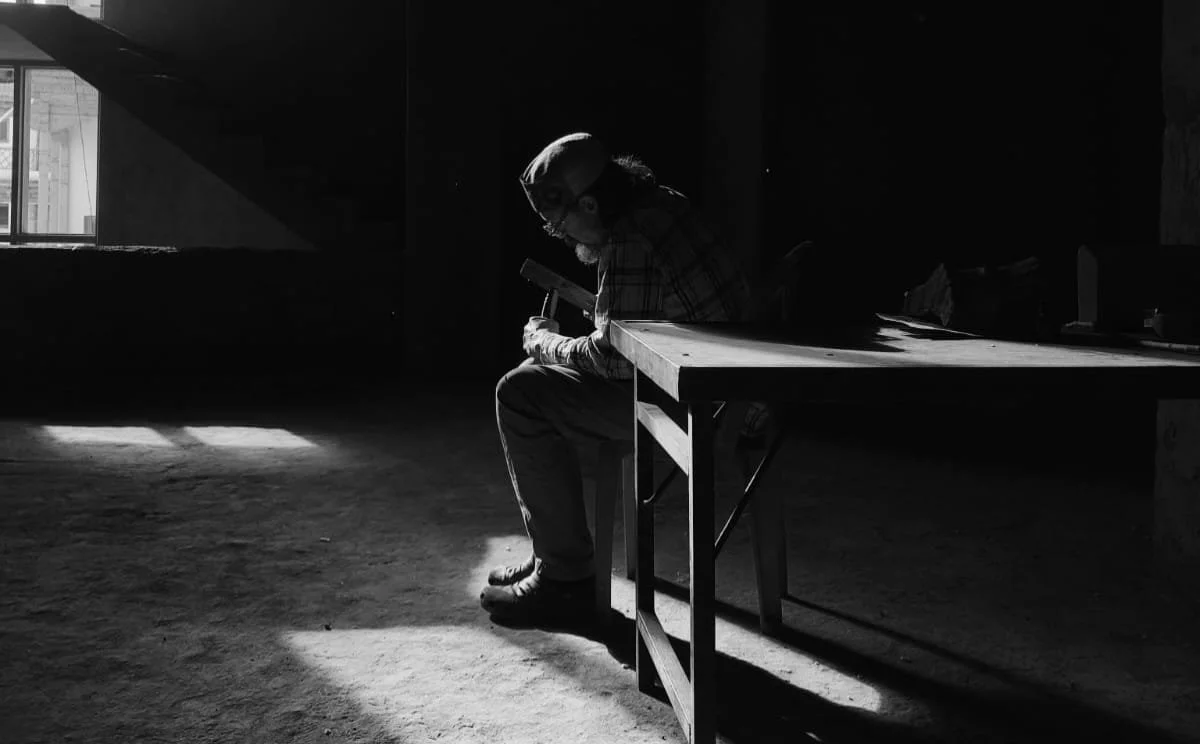
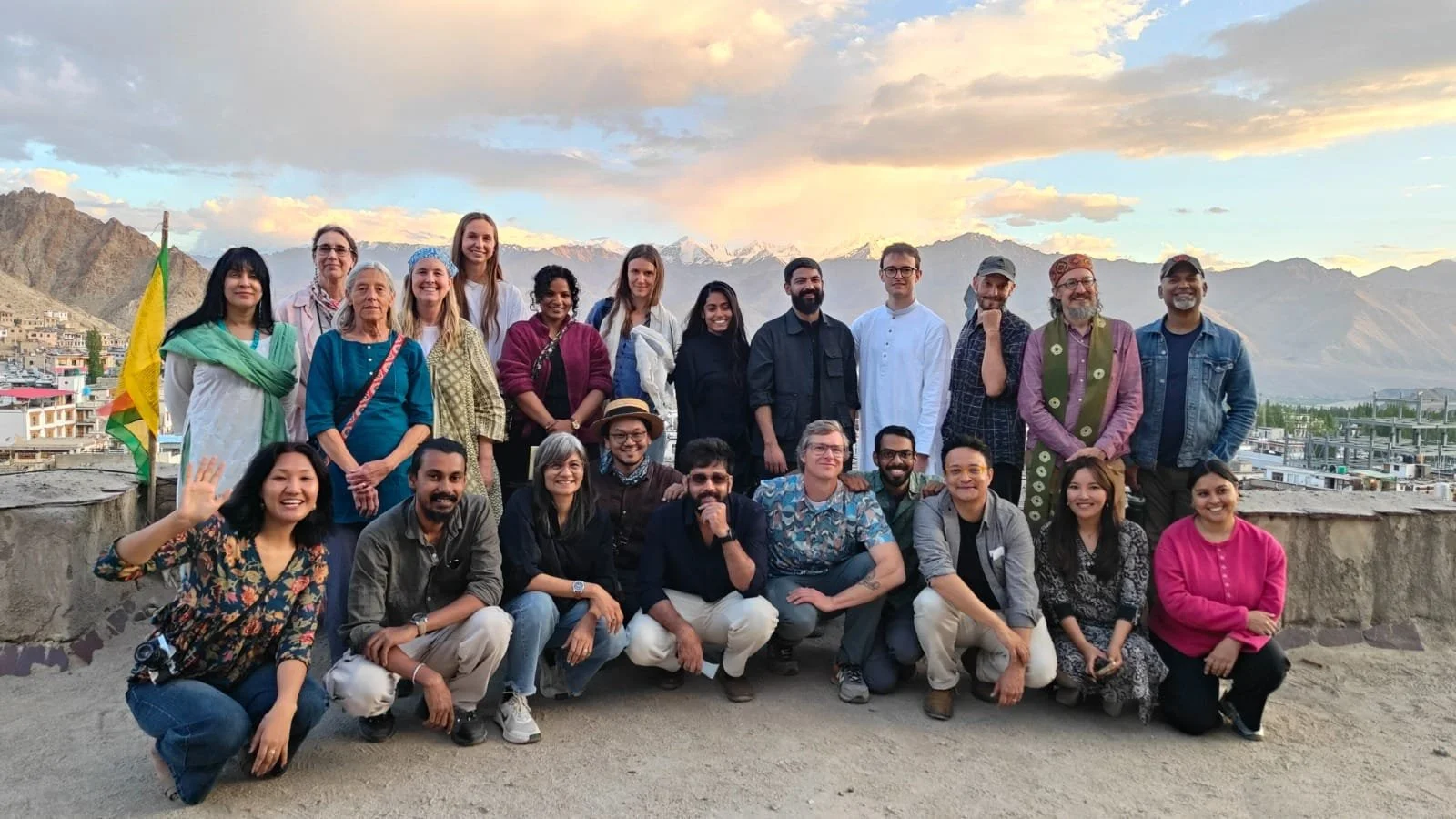
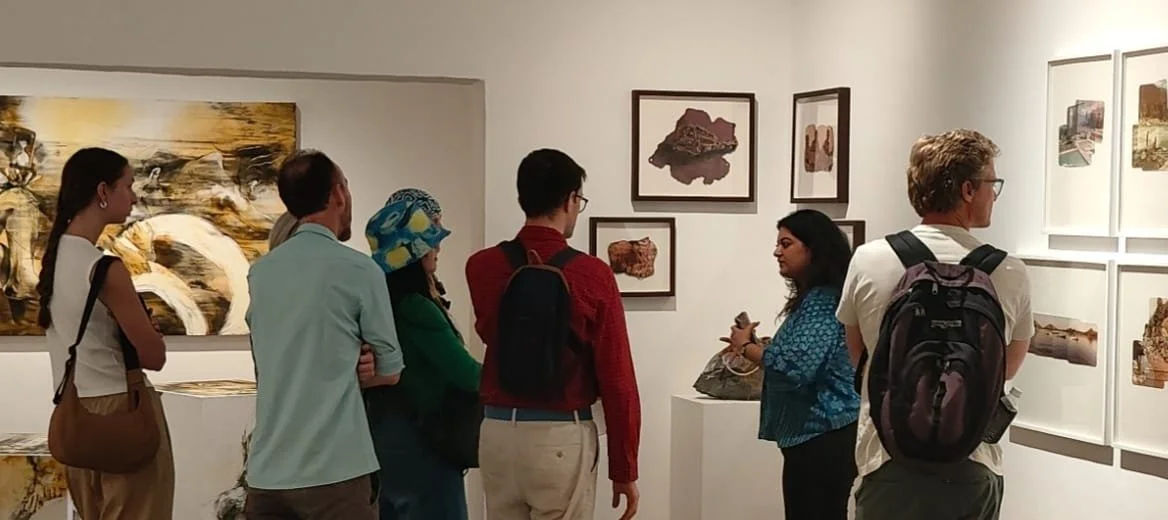
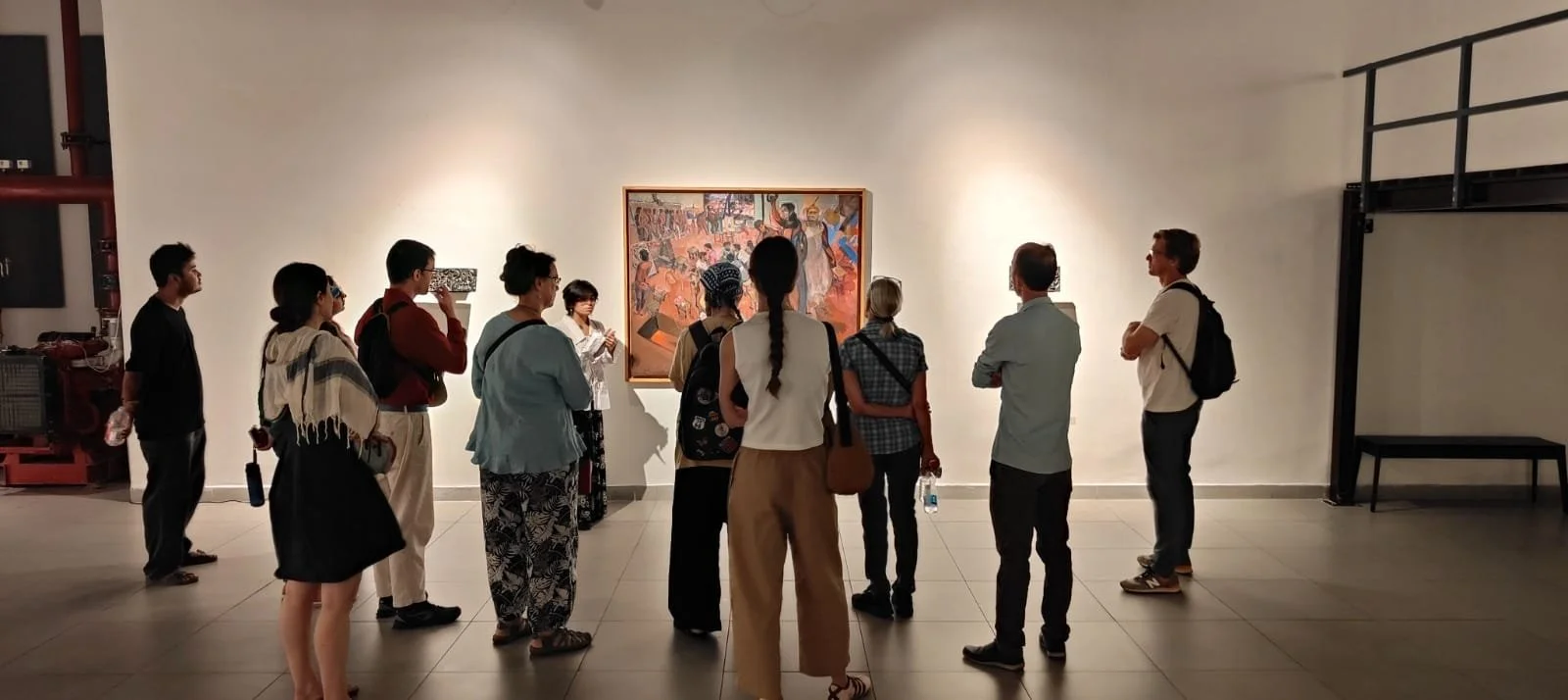
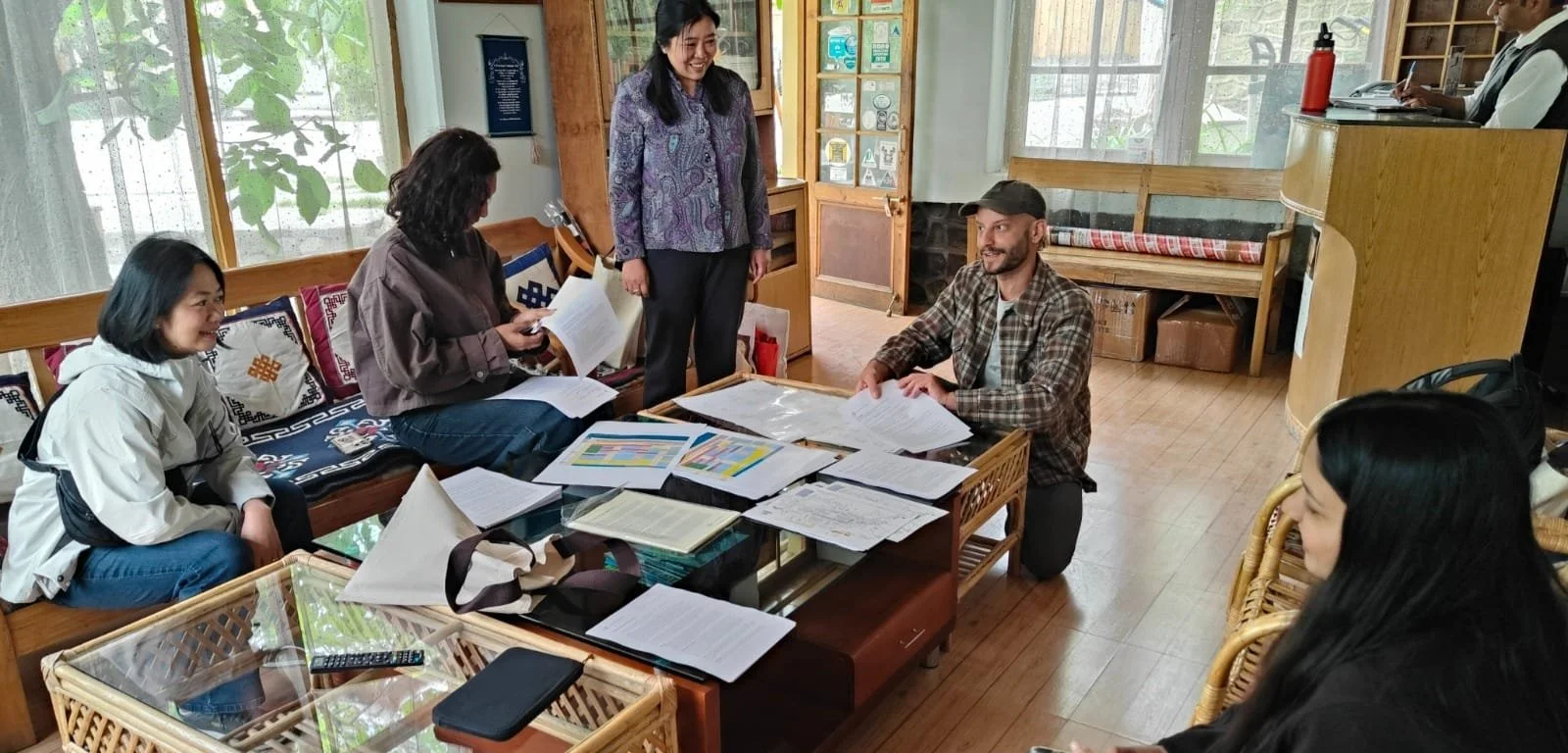
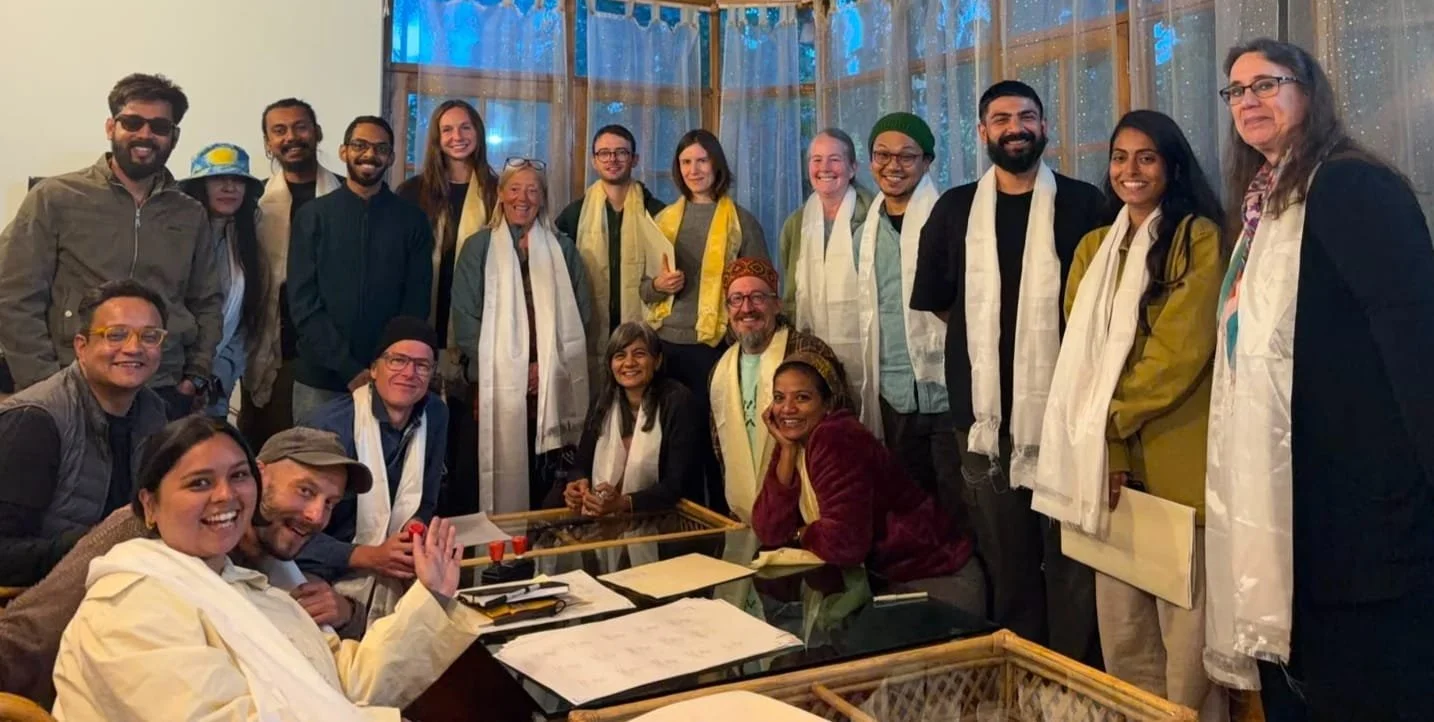
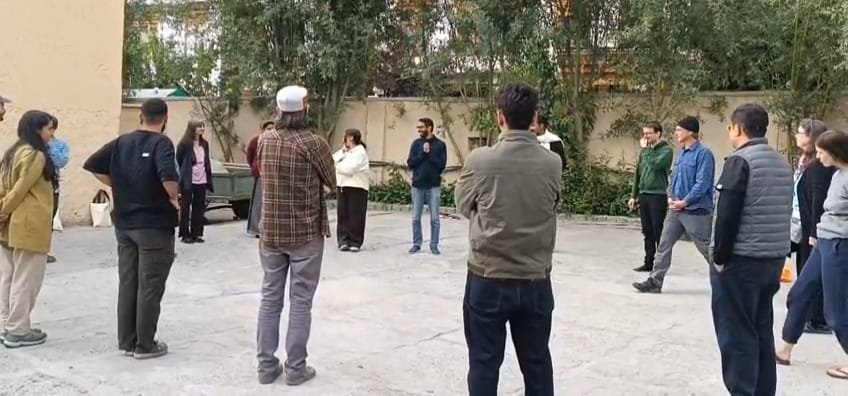
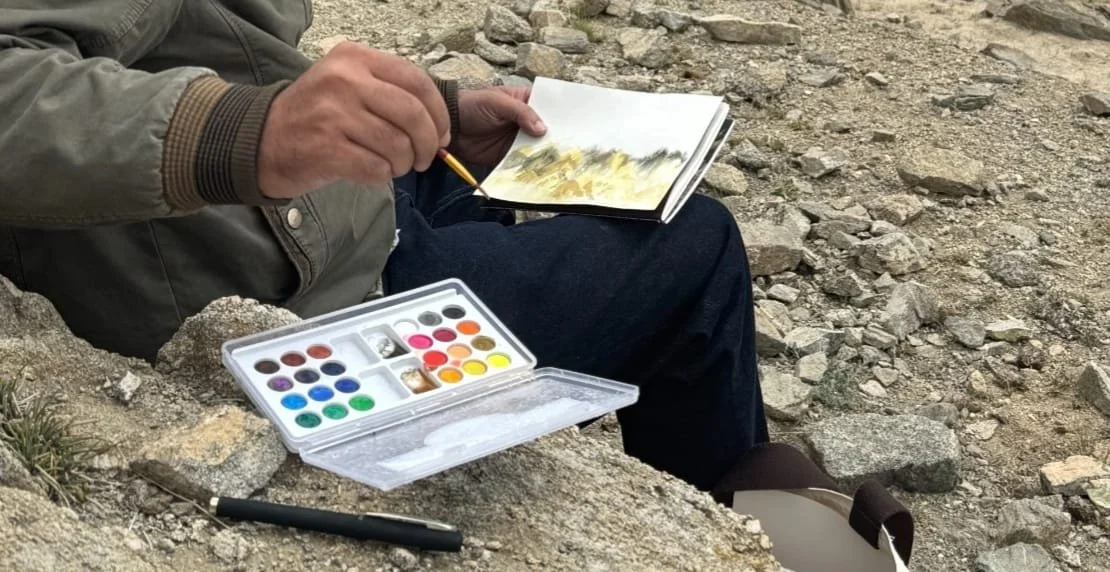
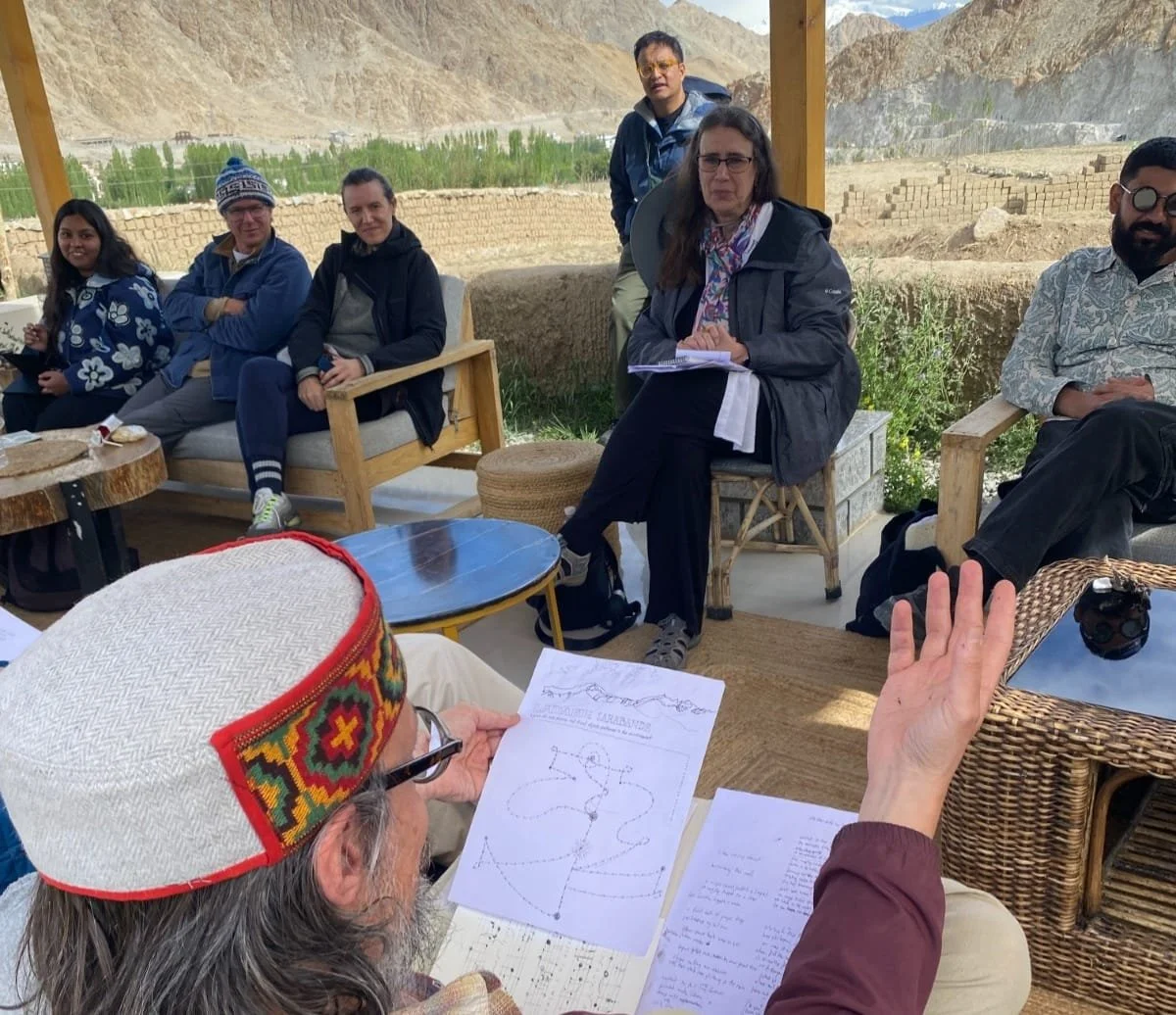
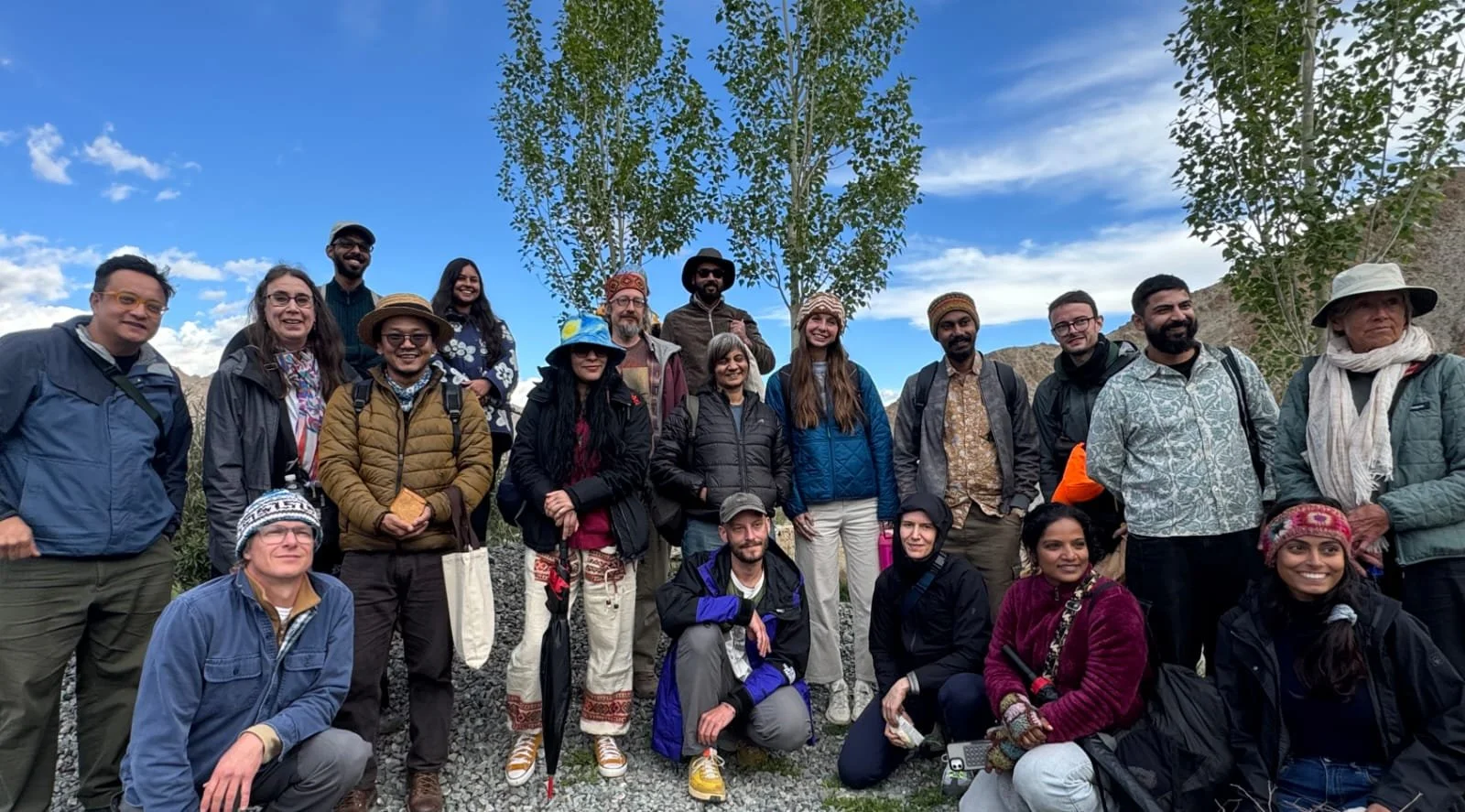
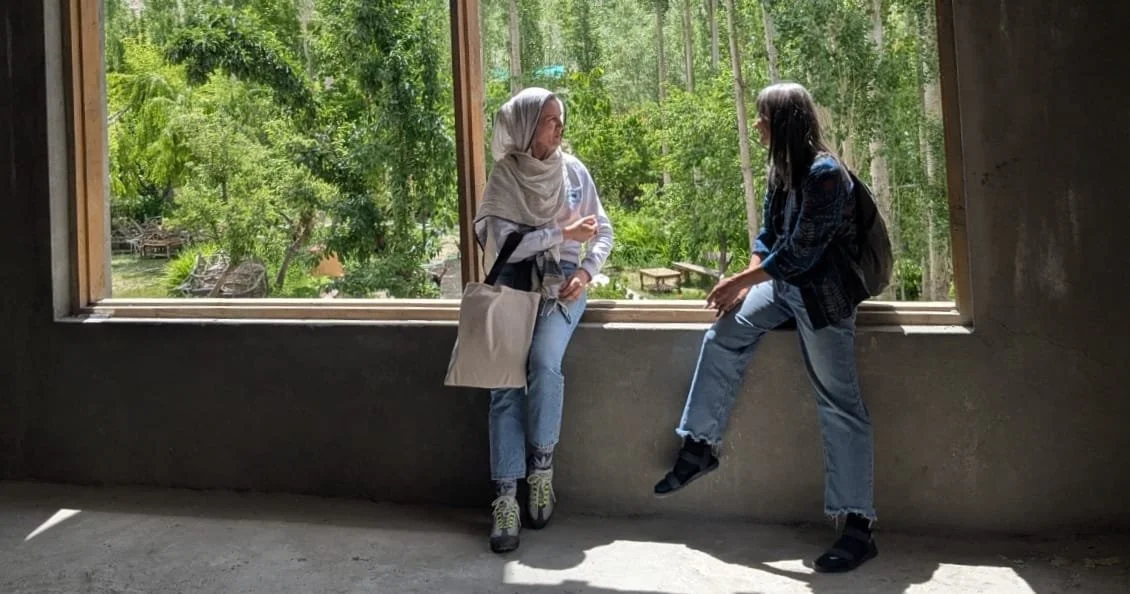
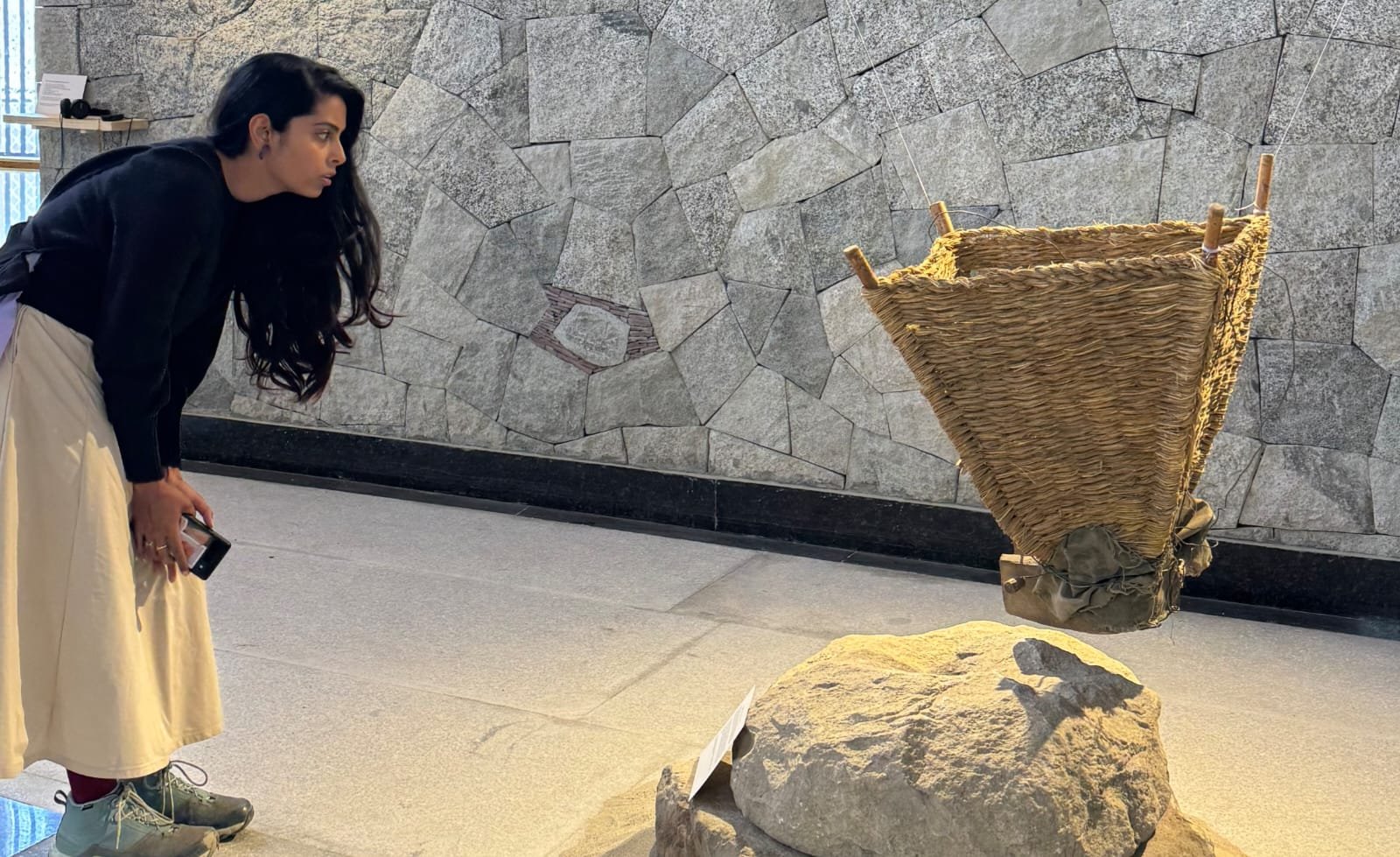
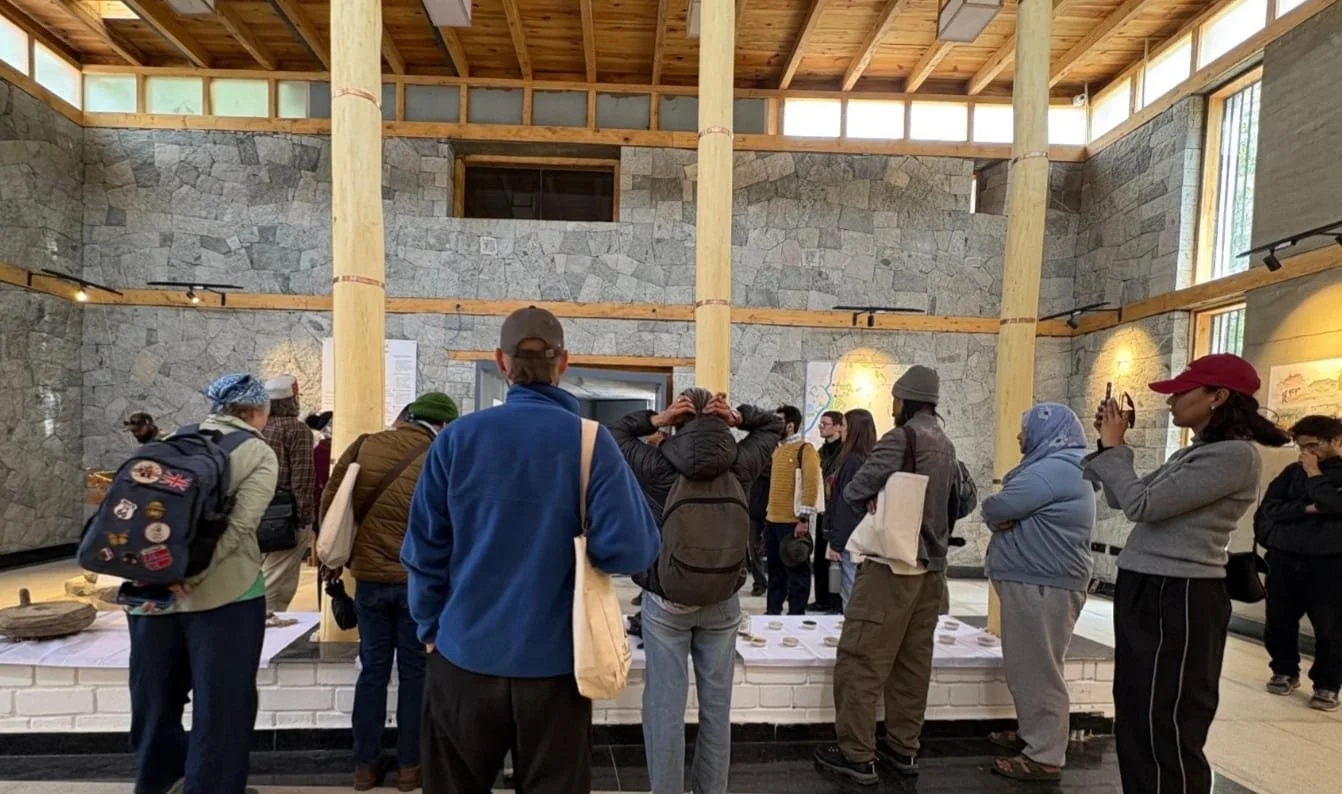
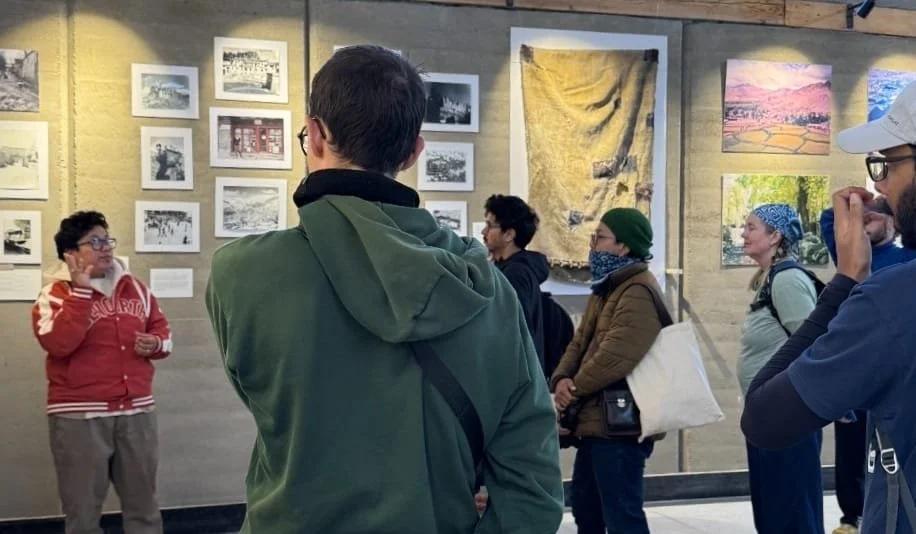
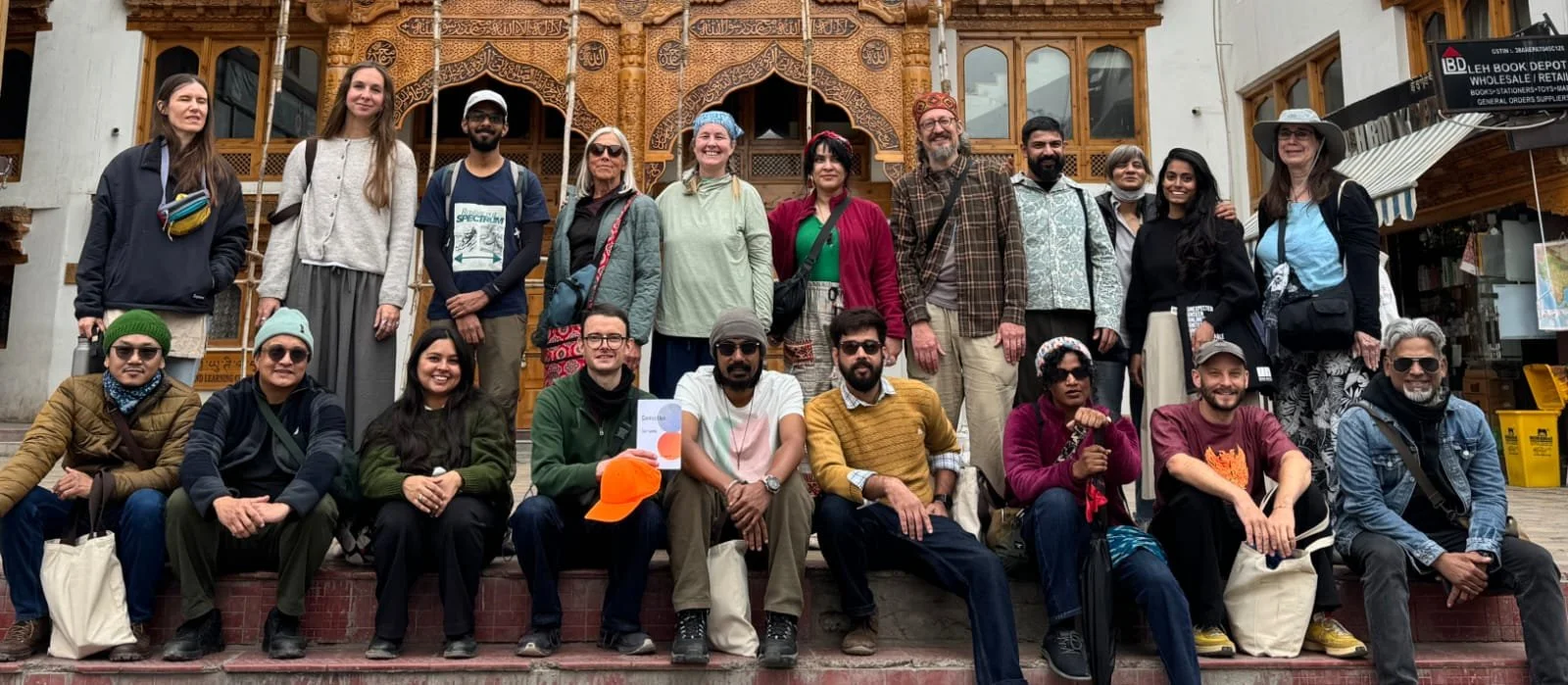
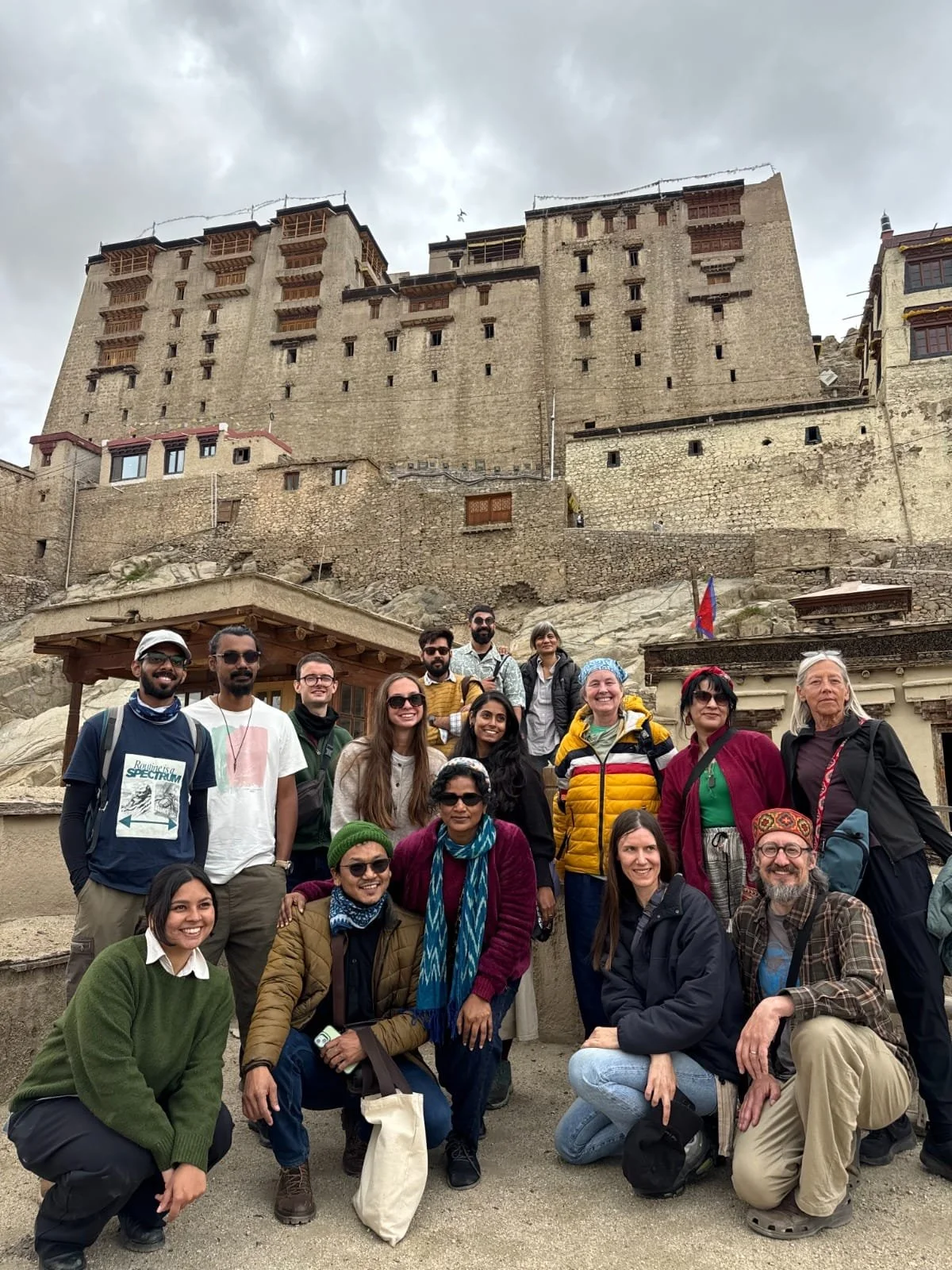
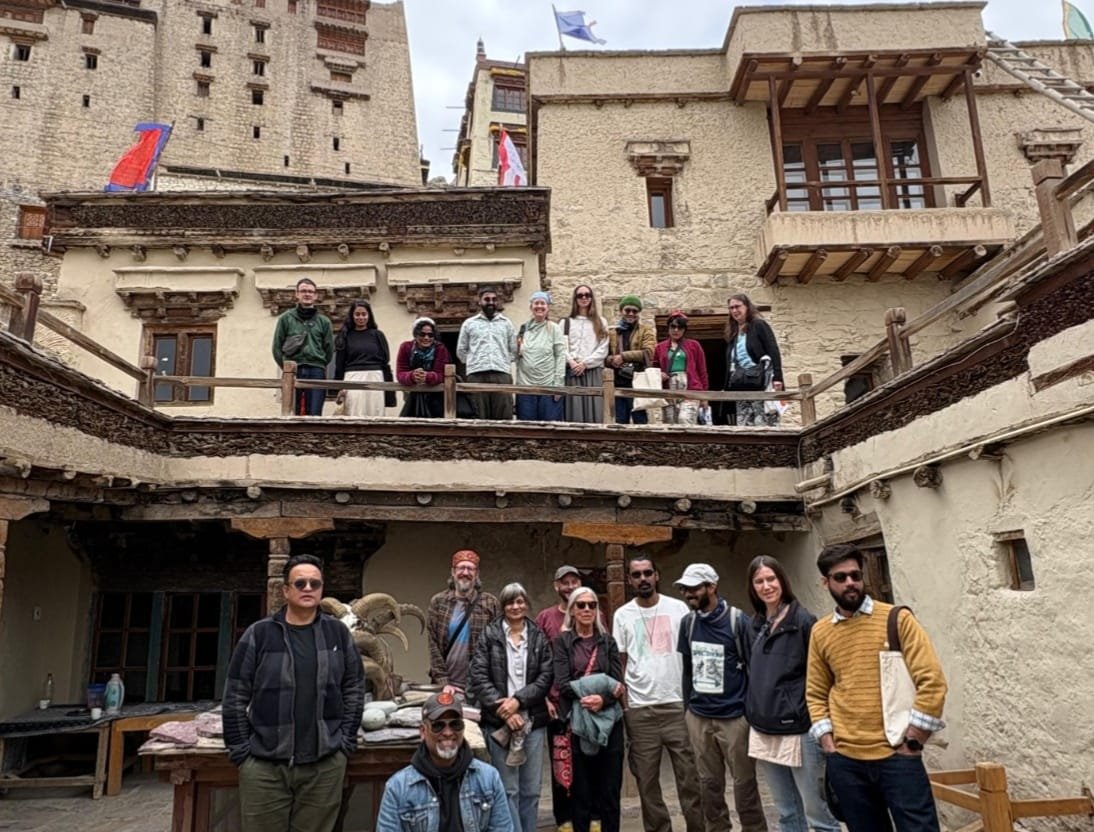
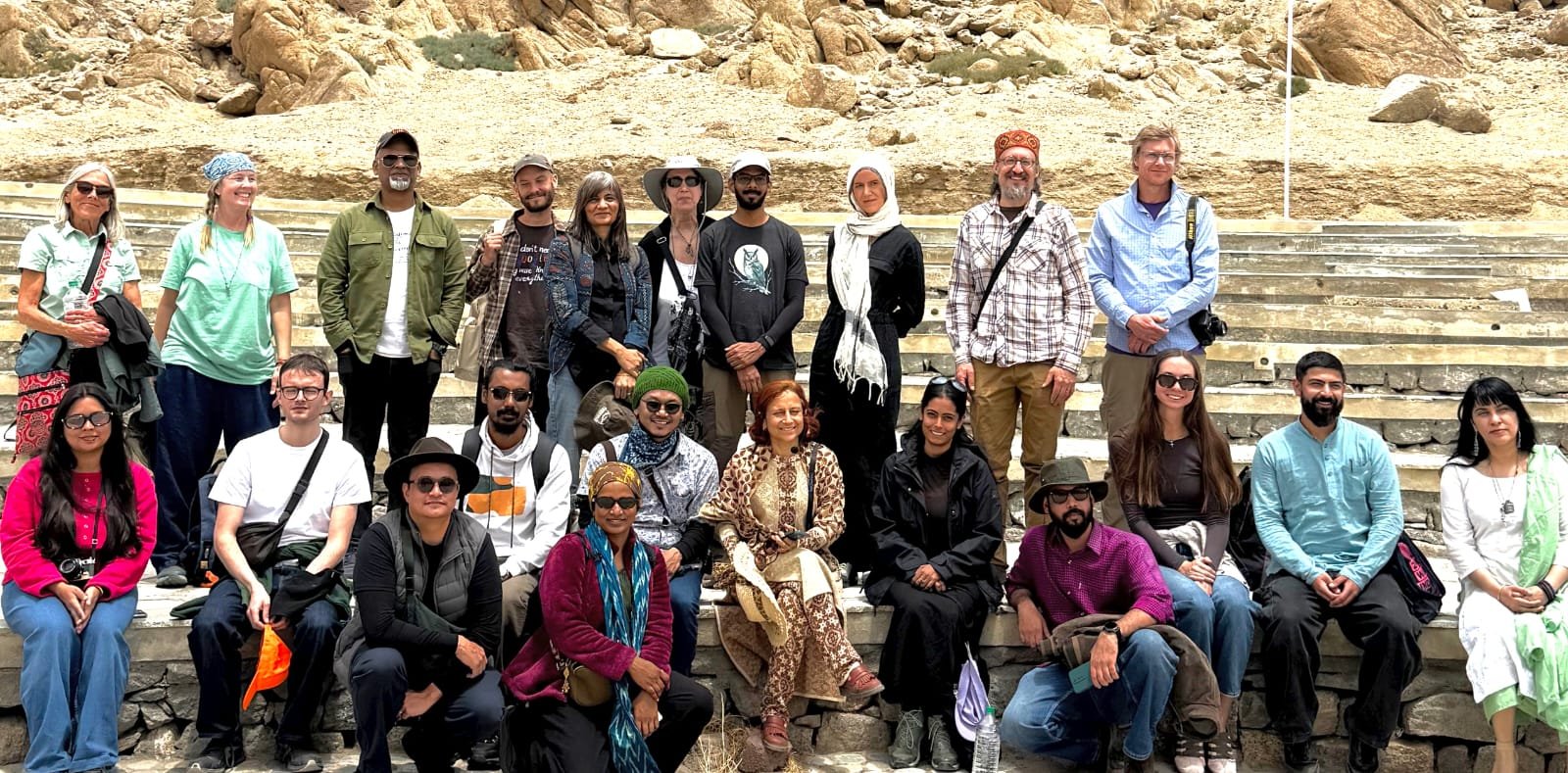
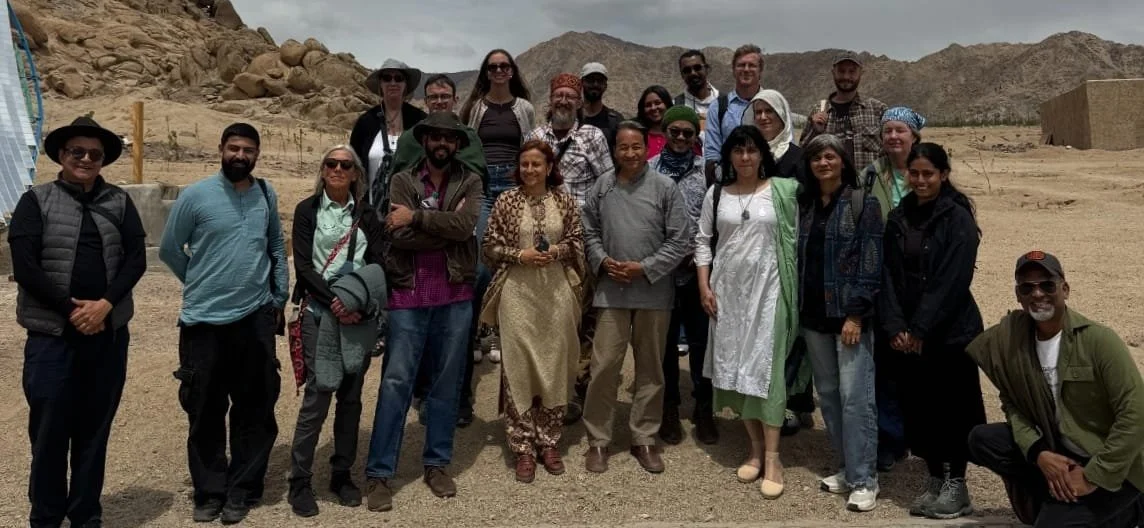
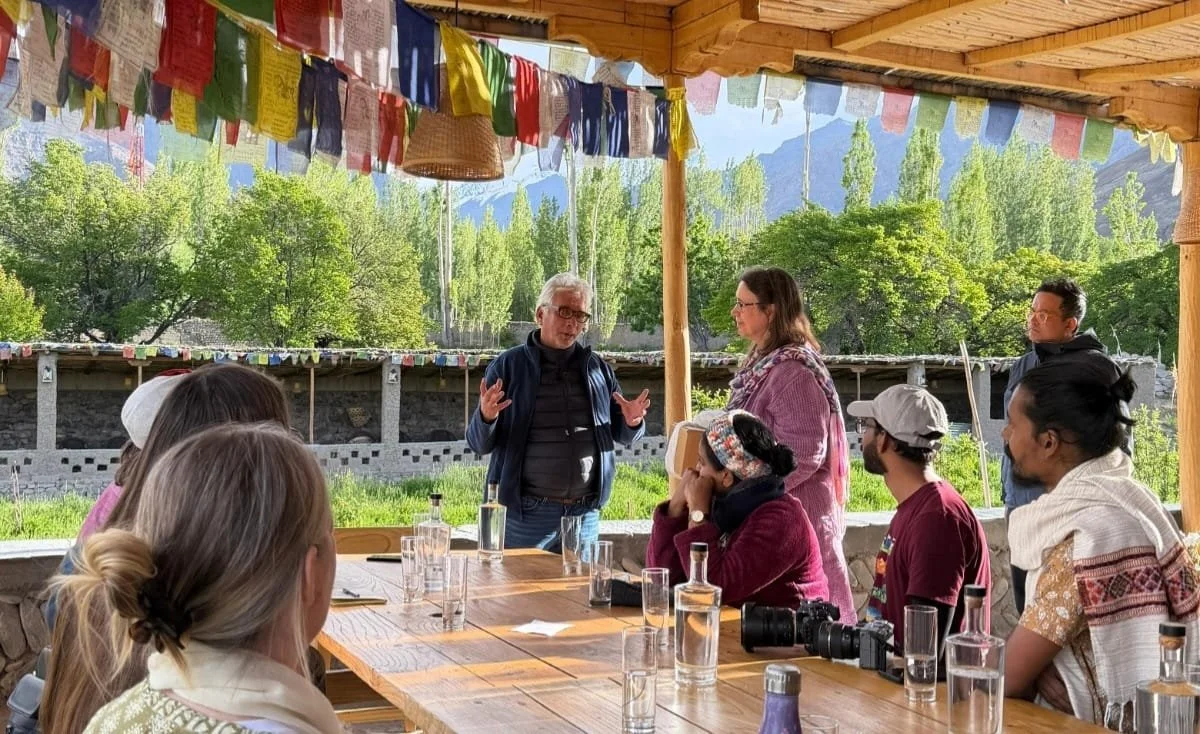
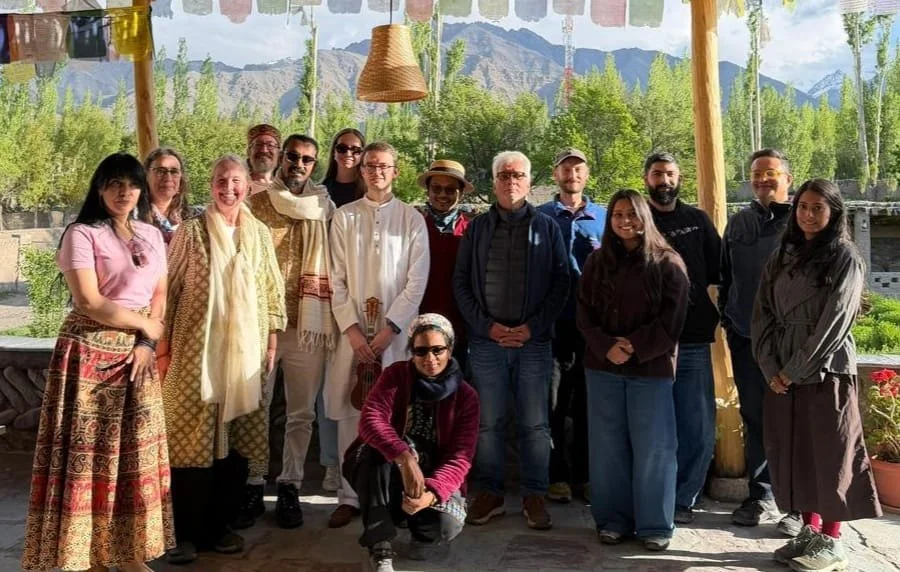
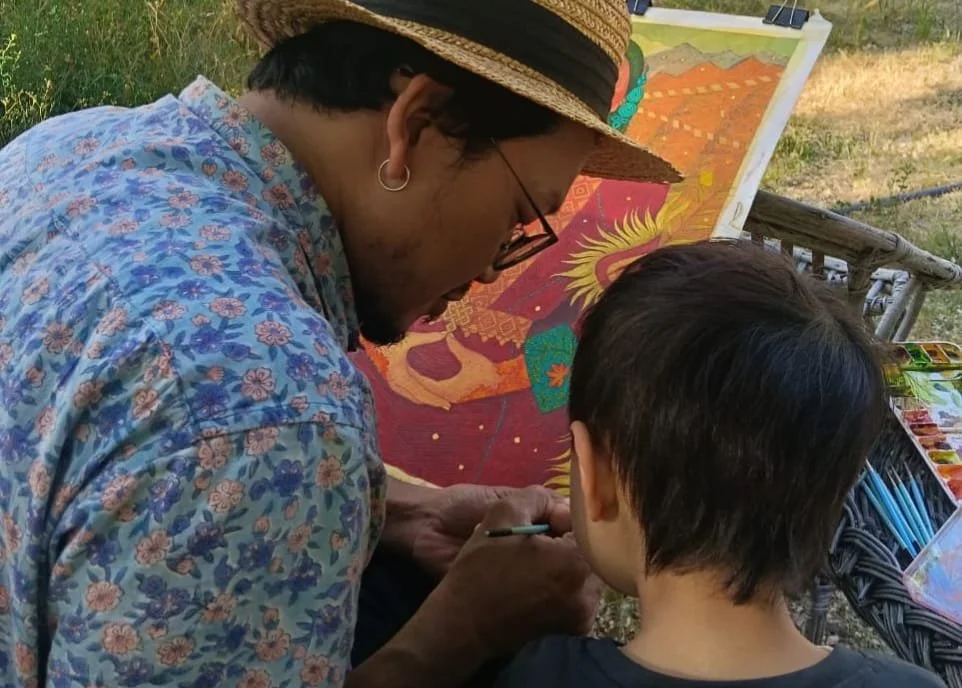
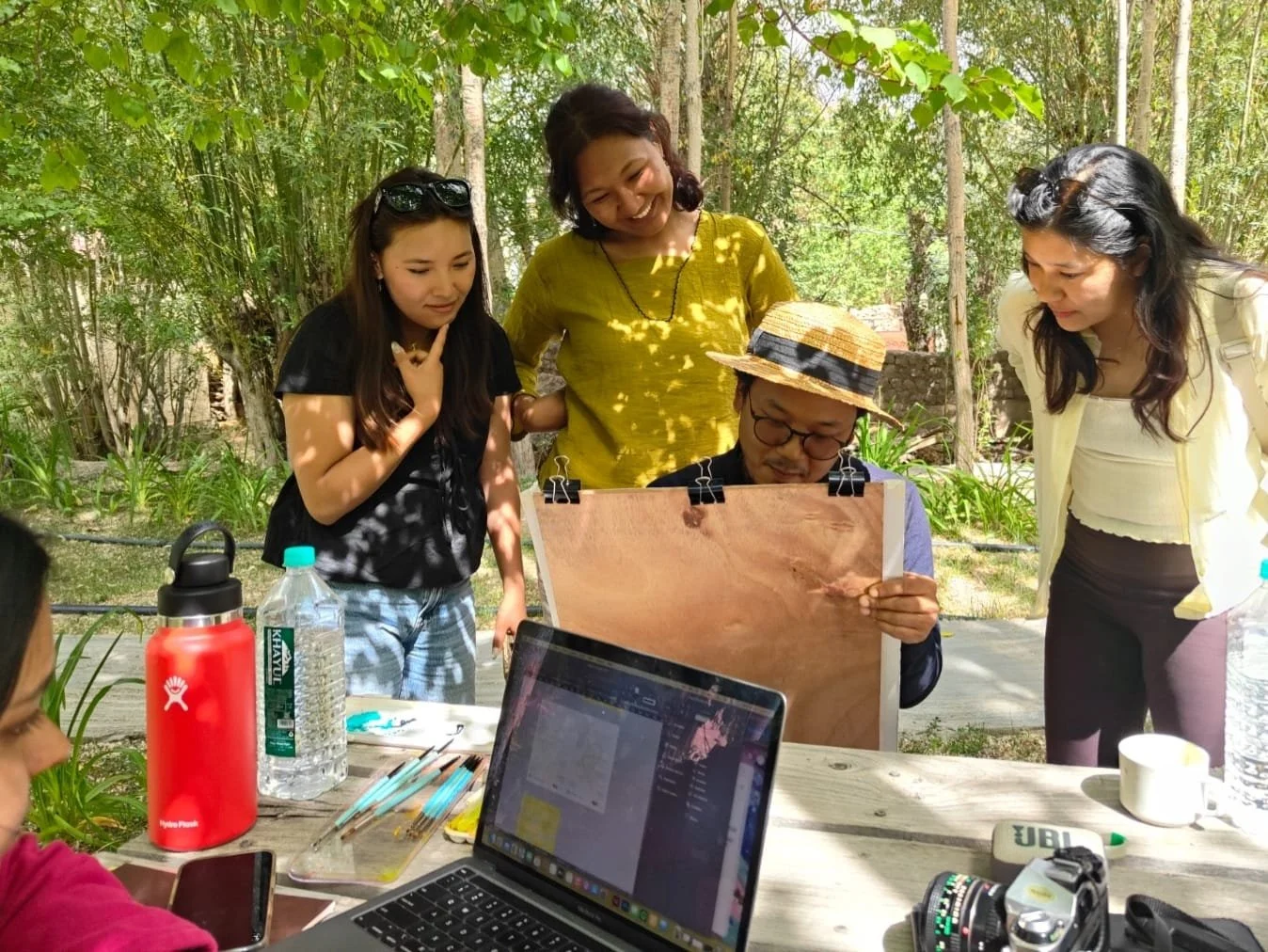
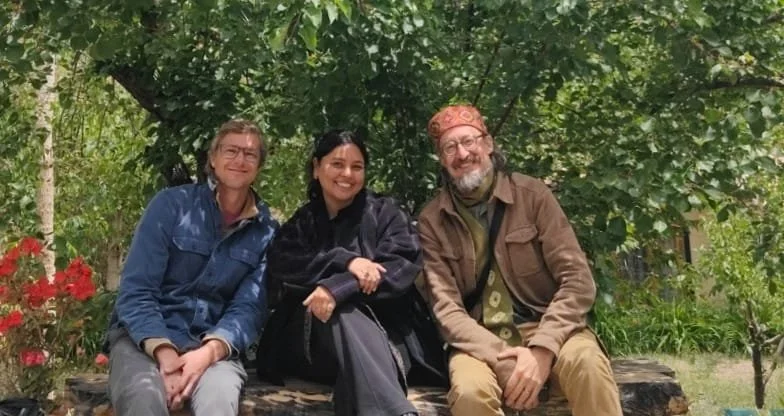
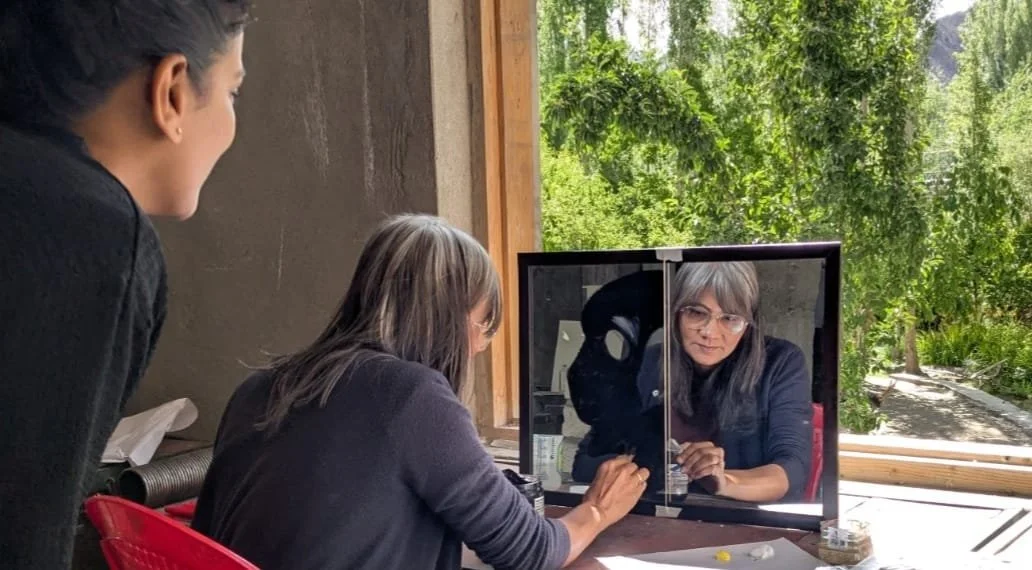
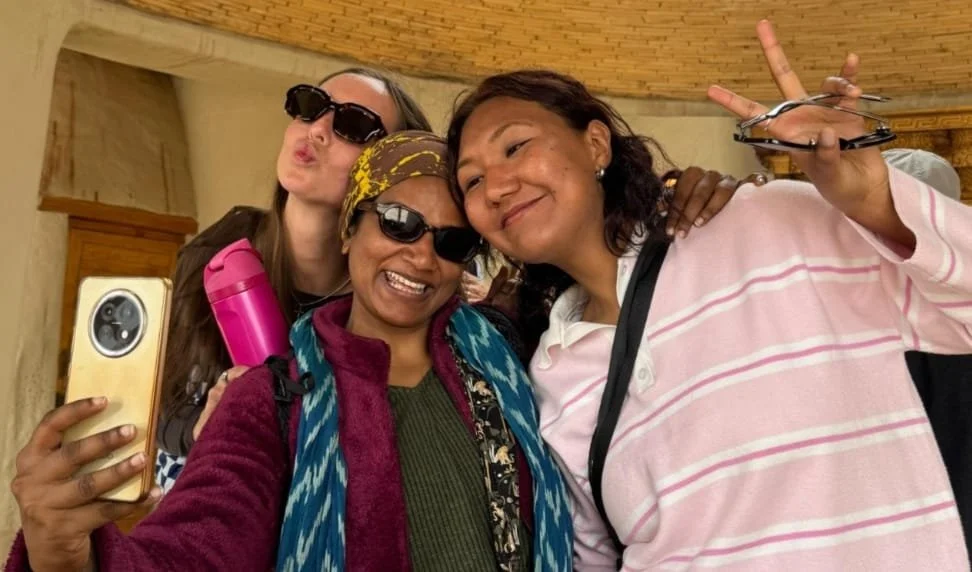
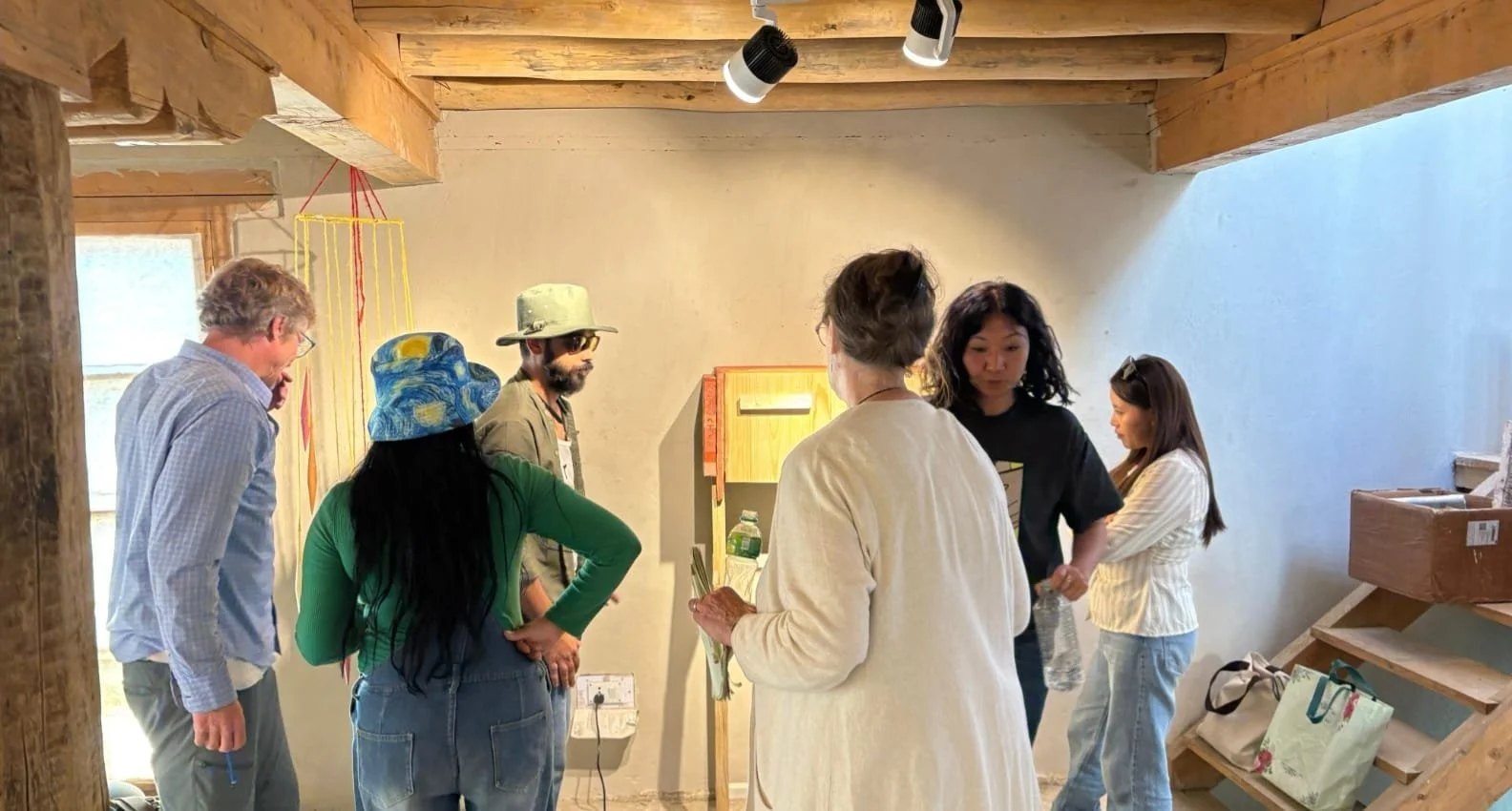
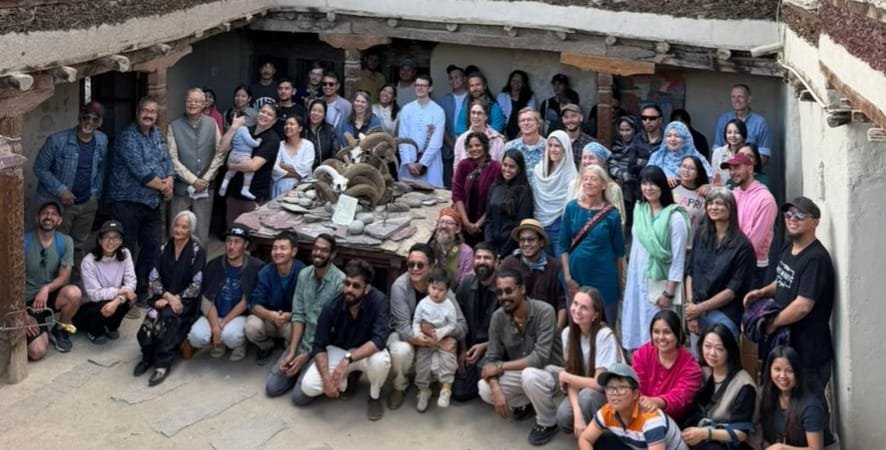
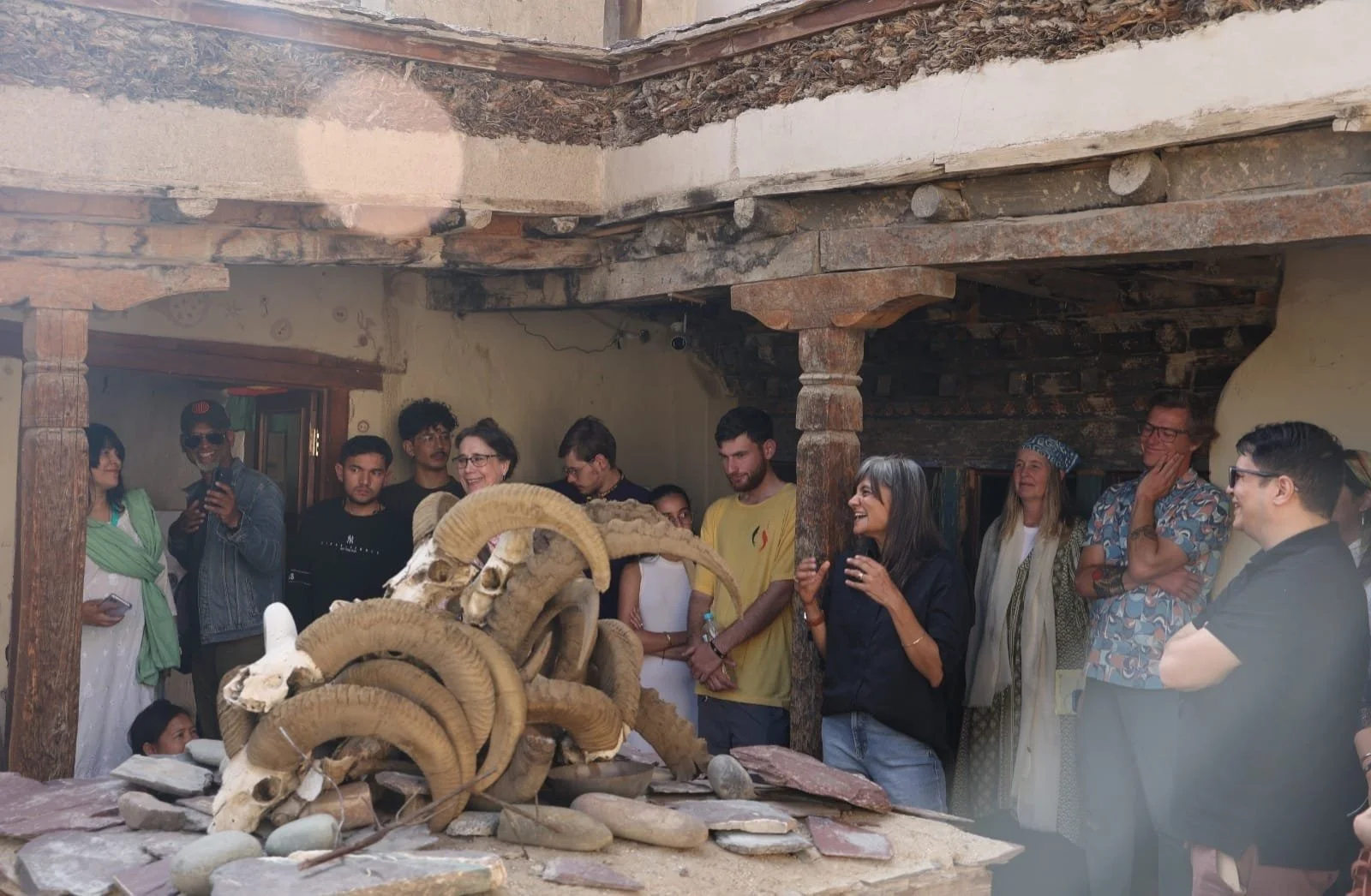
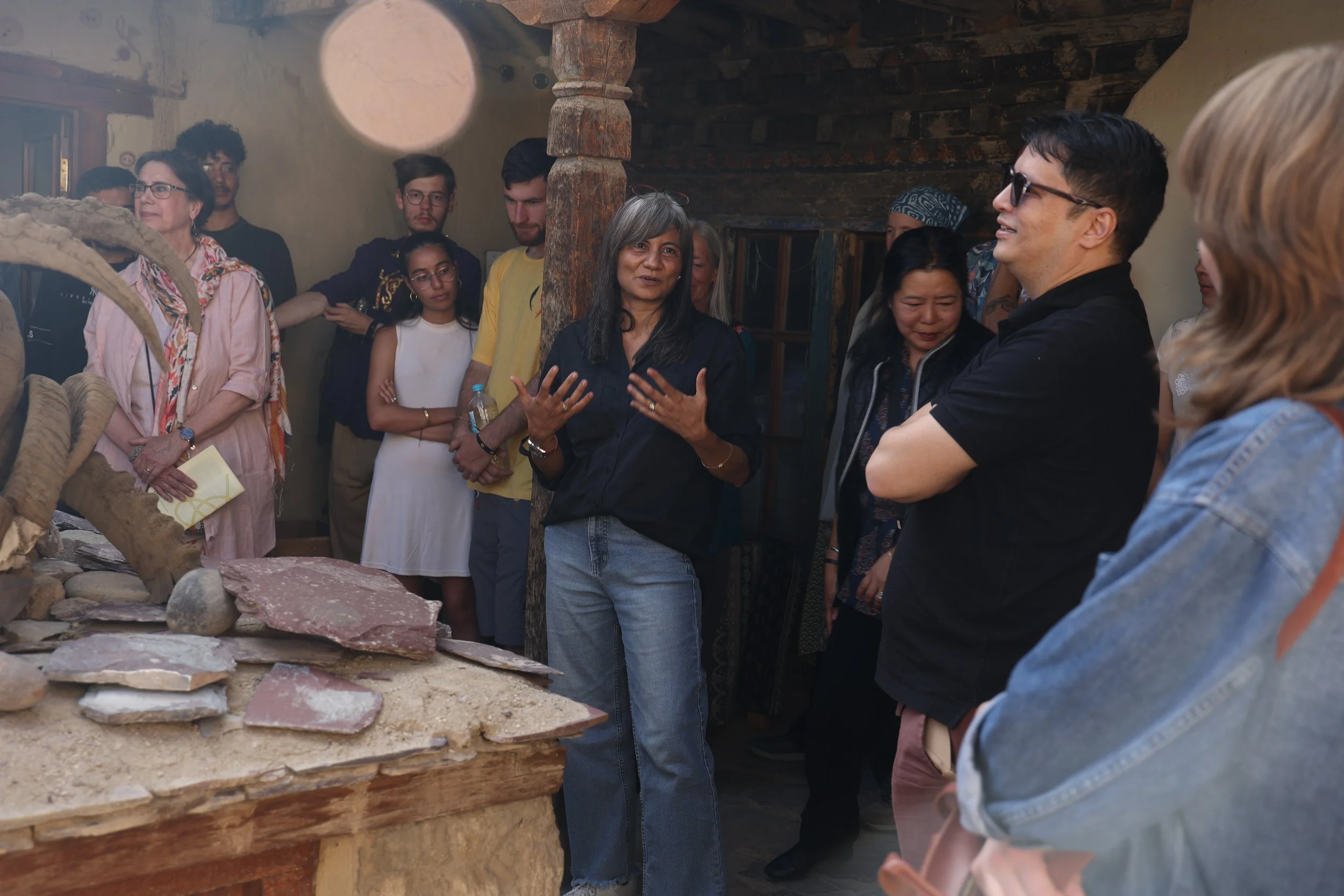
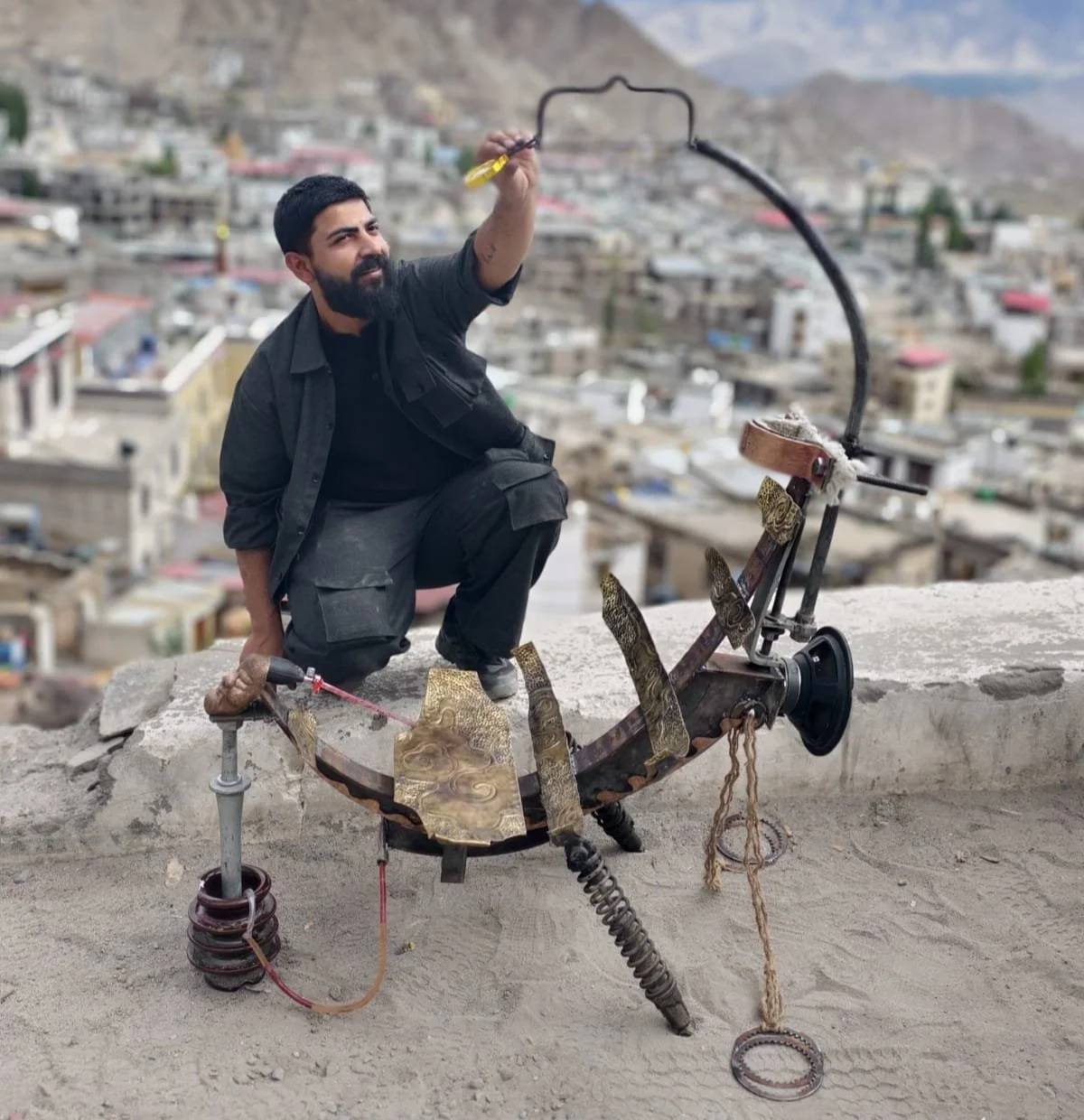
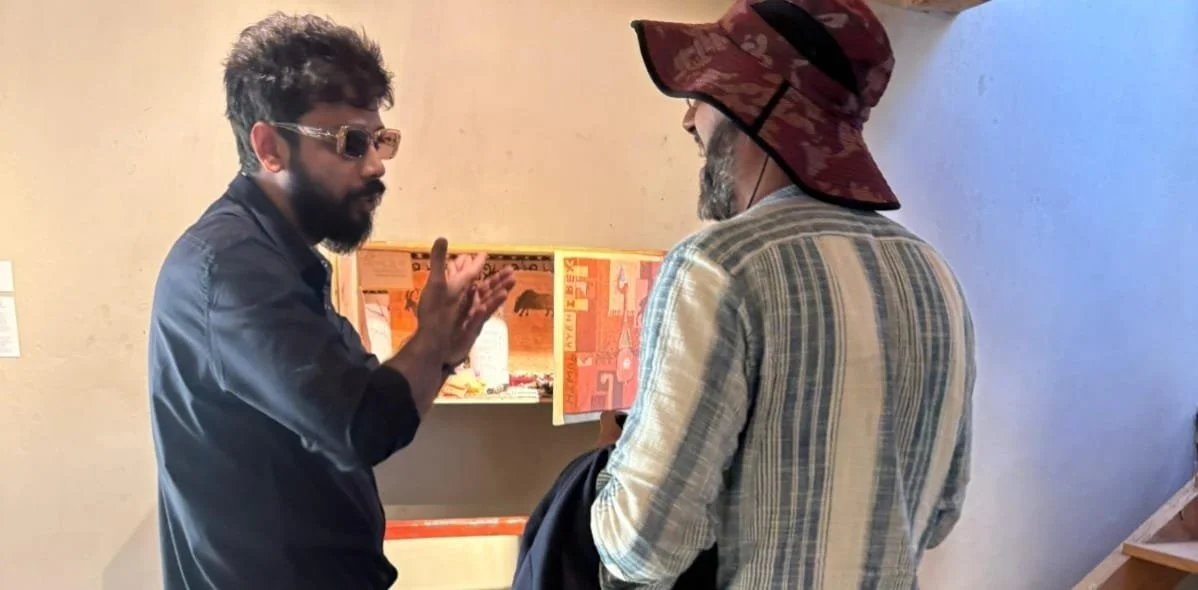
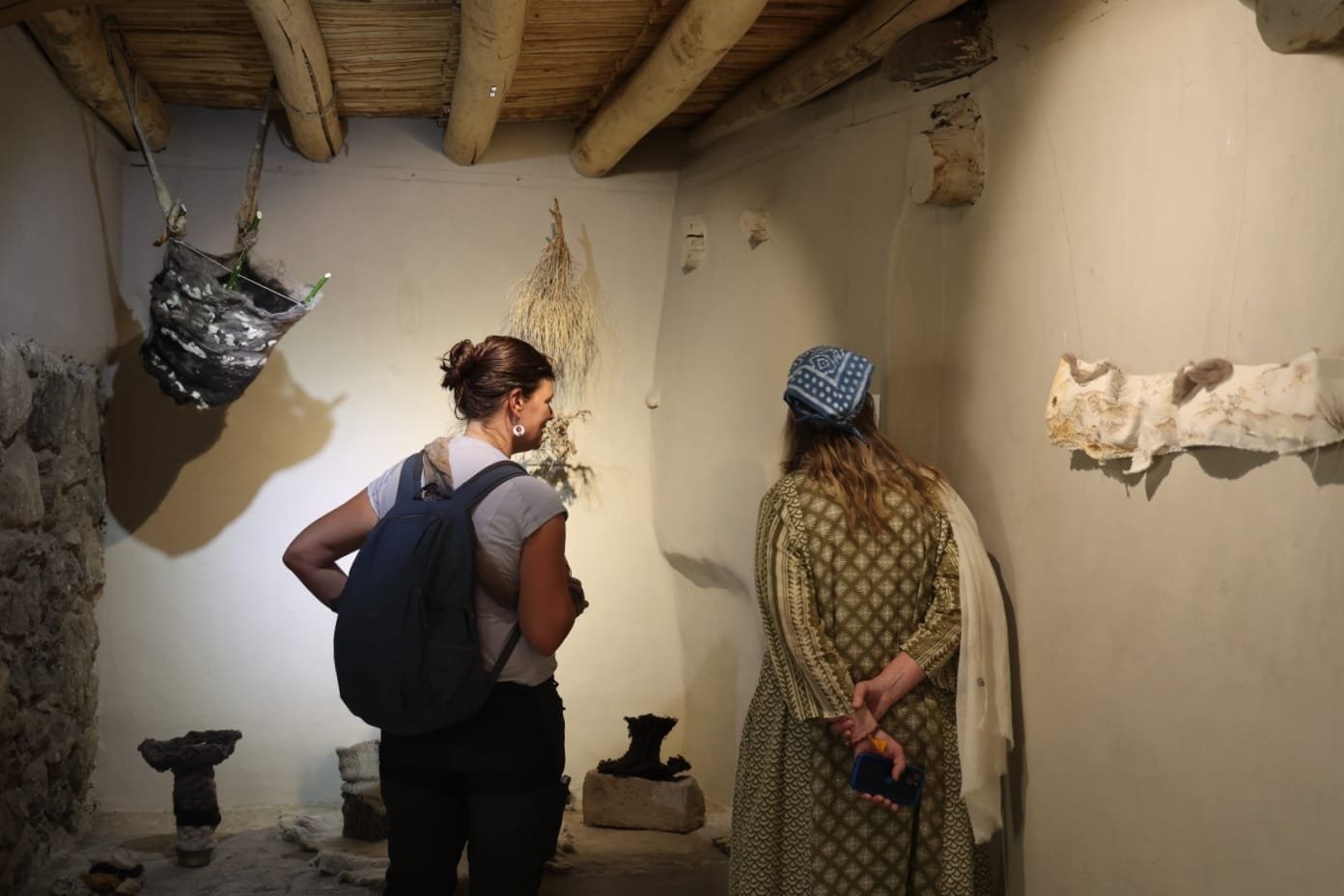
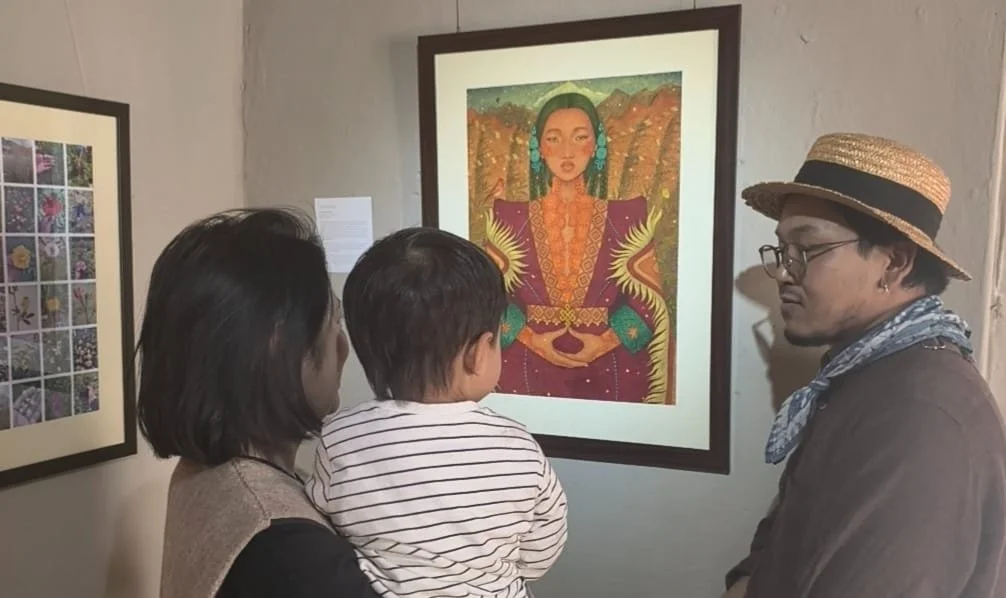
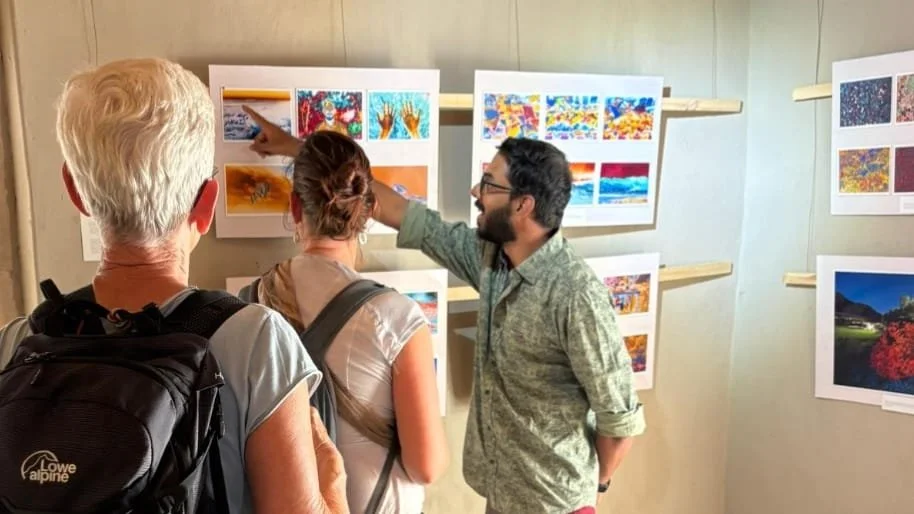
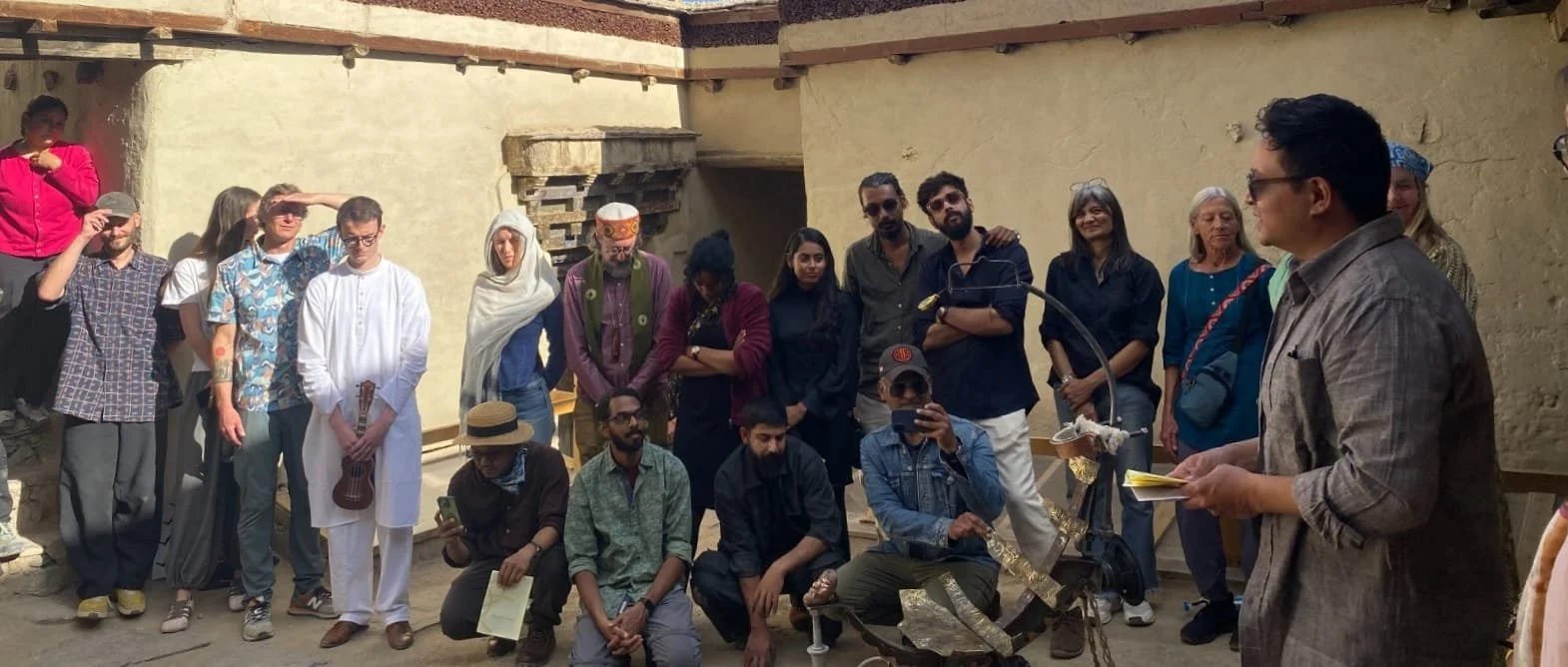
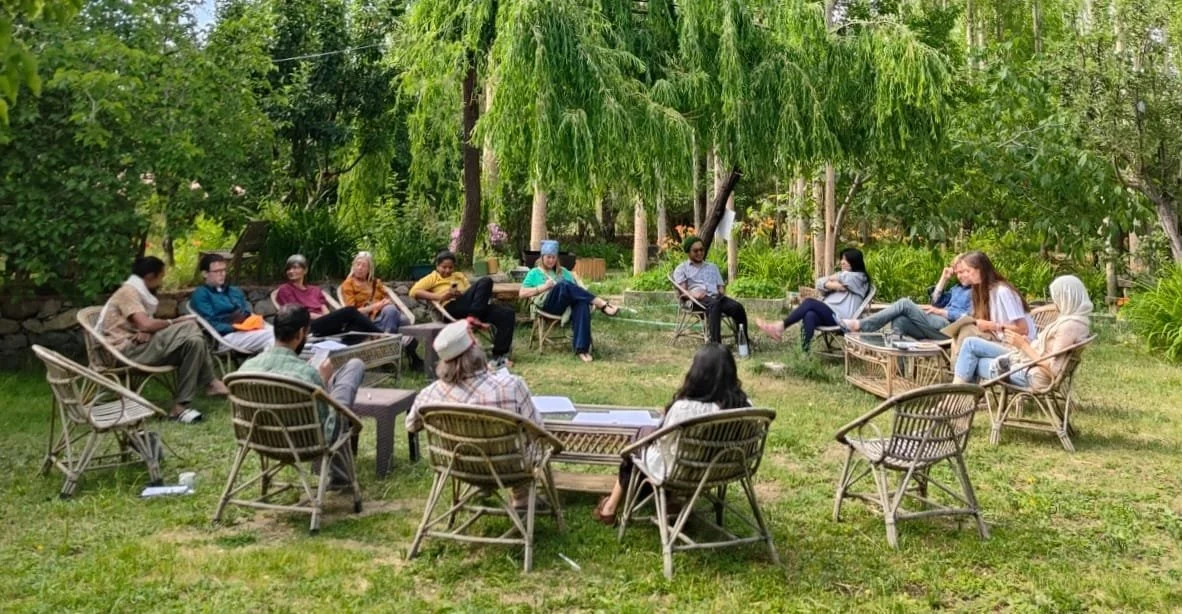
In June 2026 sixteen artists from across India and around the globe gathered for two weeks of immersive engagement and art-making in the vast, rugged Himalayan landscape of Ladakh for the 10th Art for Change International Artist Residency on the theme ‘What to do with Technology: Human Being in An Age of Tech.’ What exactly is technology? What does it mean to be human? And why does that question feel particularly urgent right now? More specifically what does Ladakh, its landscape, its people, its centuries of life at the edge of survival, reveal about what humans truly need to flourish? These are just a few of the questions we took up in this time of living, learning, and making art together. The title of this exhibition, Thinking Hands, was inspired by the book The Thinking Hand: Existential and Embodied Wisdom in Architecture by Julani Pallasmaa (2009). It reflects the ways that we as human beings, and artists in particular, come to understand things more fully through making and our bodily engagement with the world of which we are a part. The works you see here, then, reflect that process as we pondered these things together.
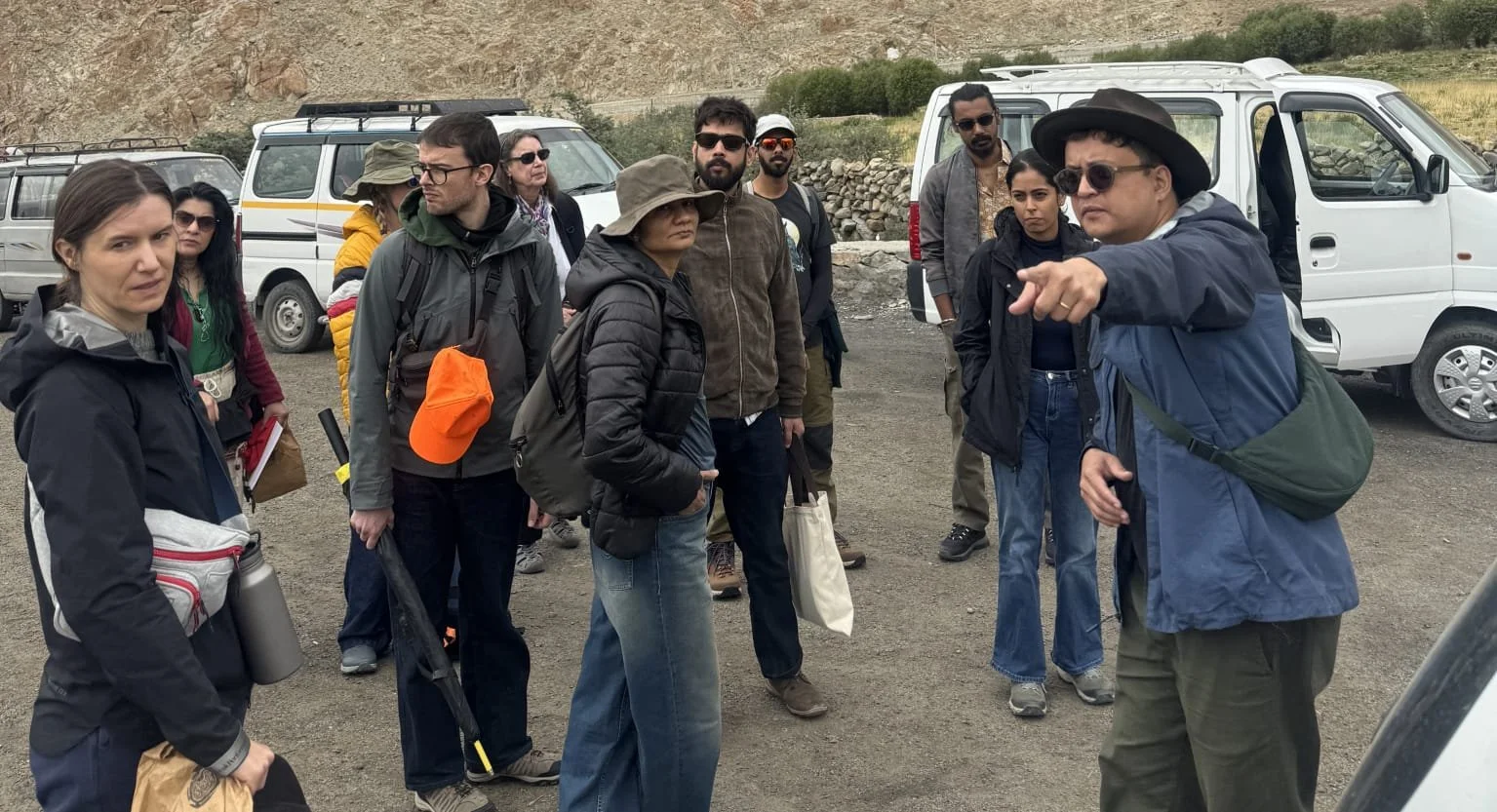
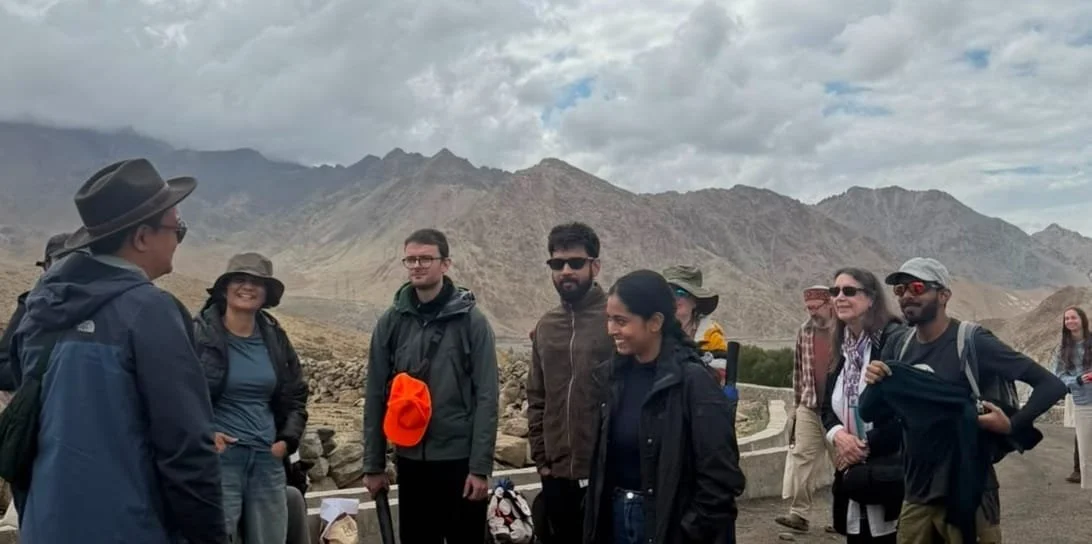
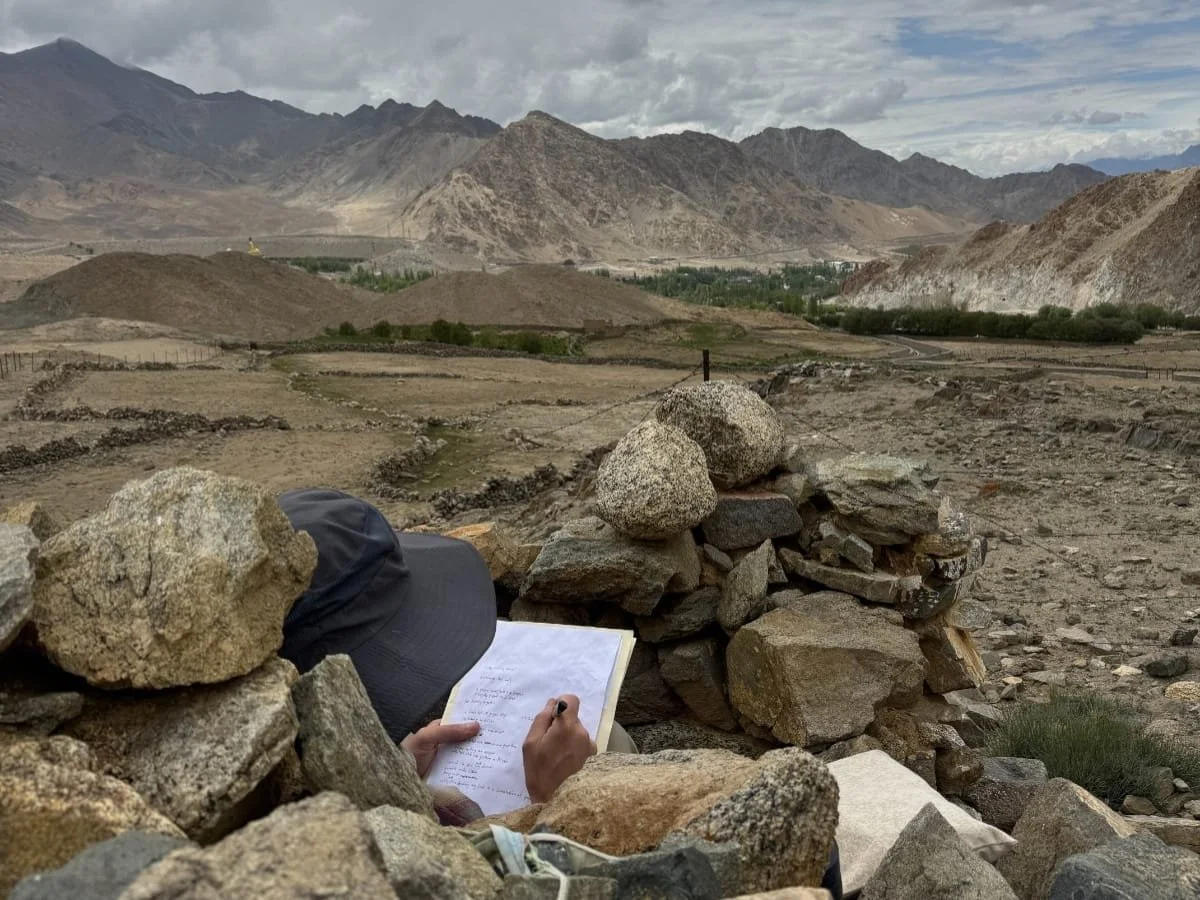
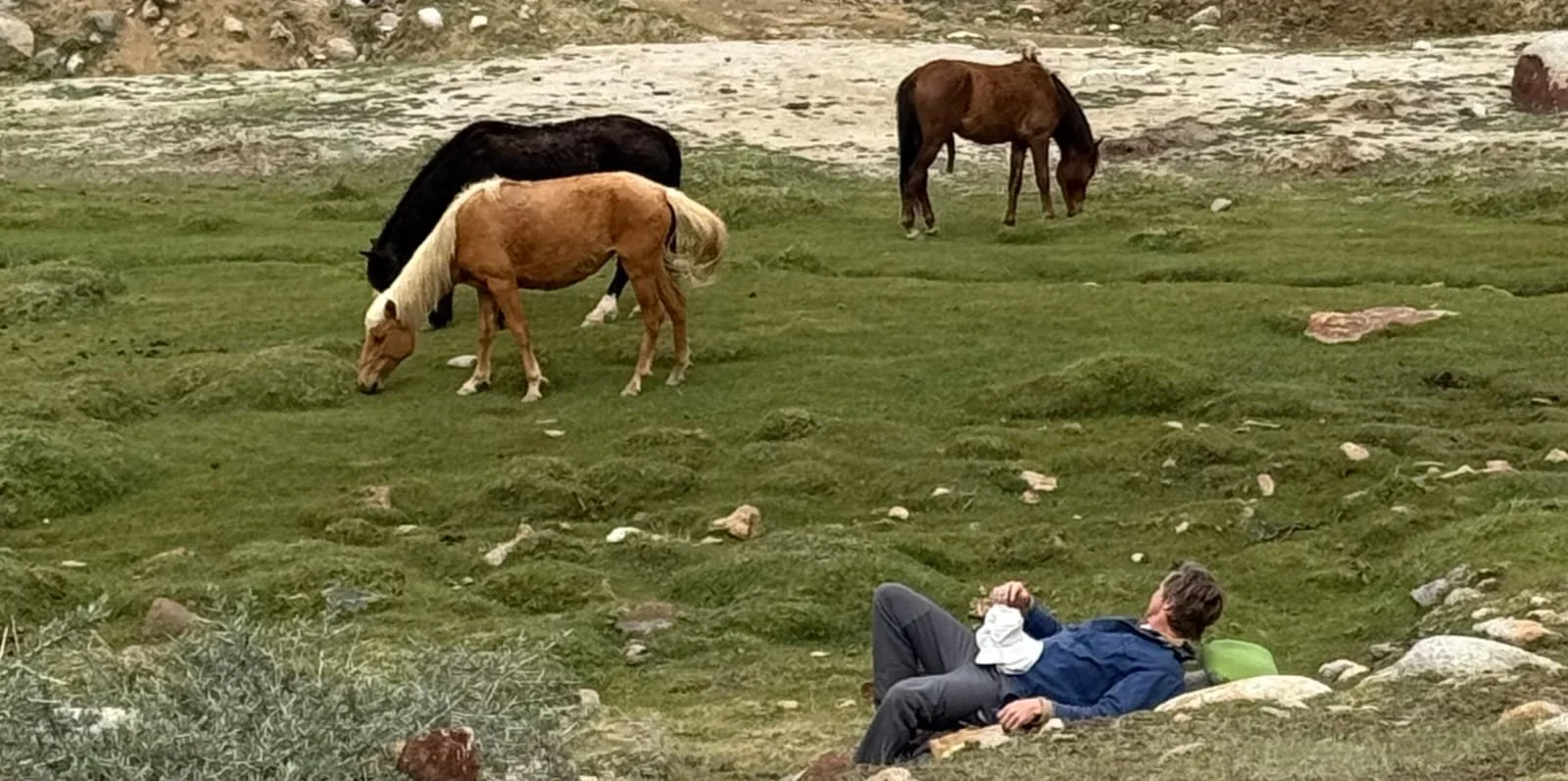
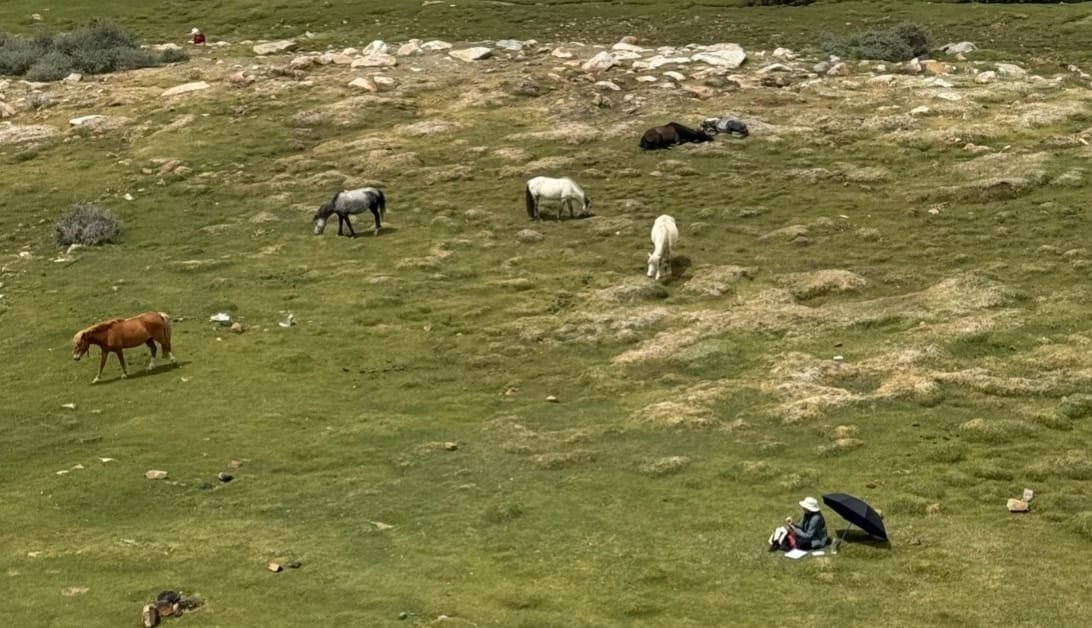
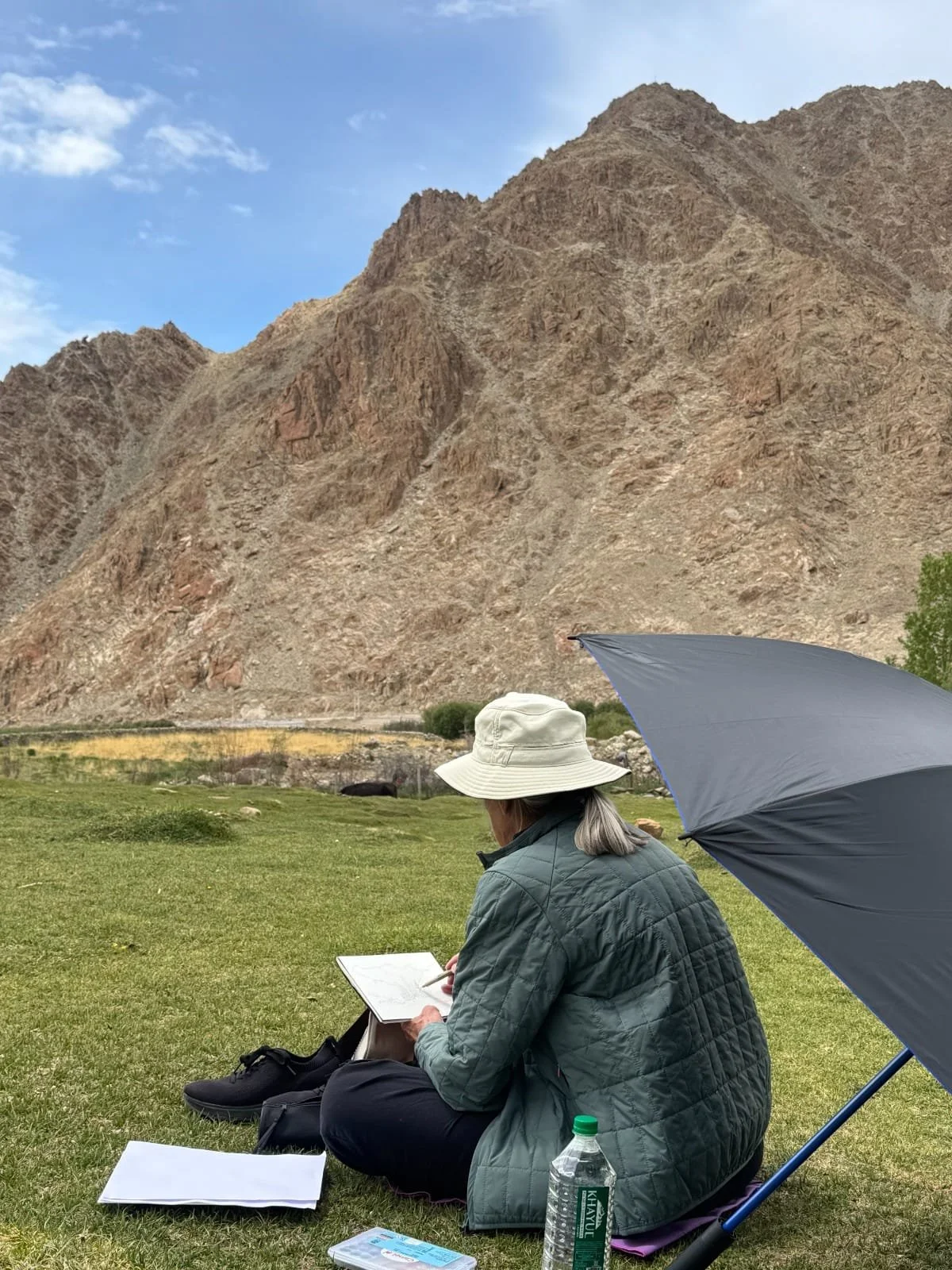
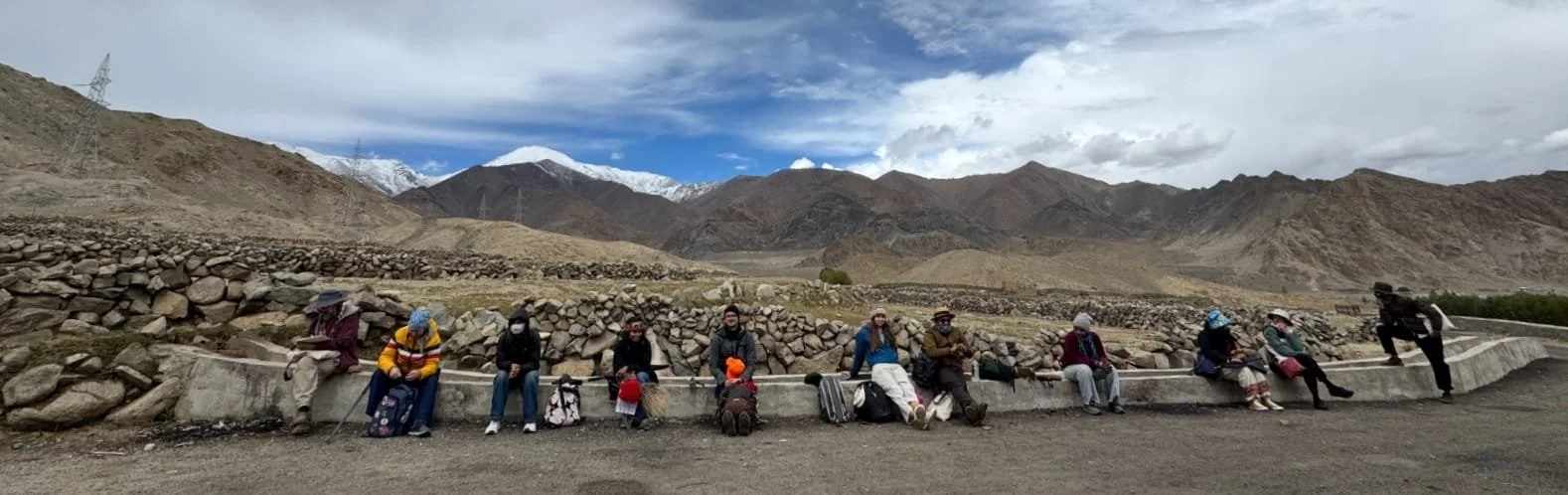
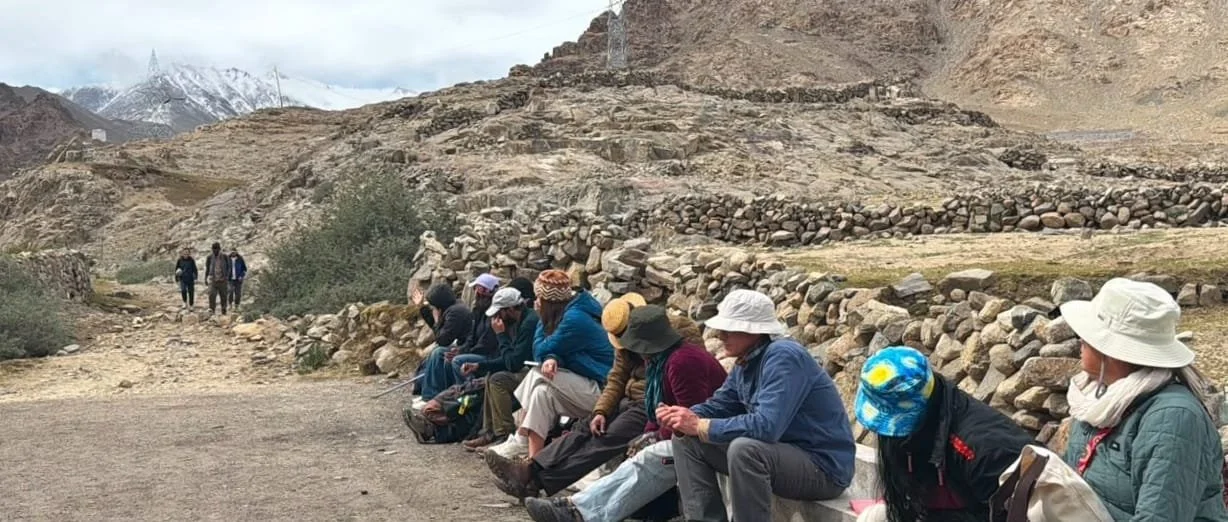
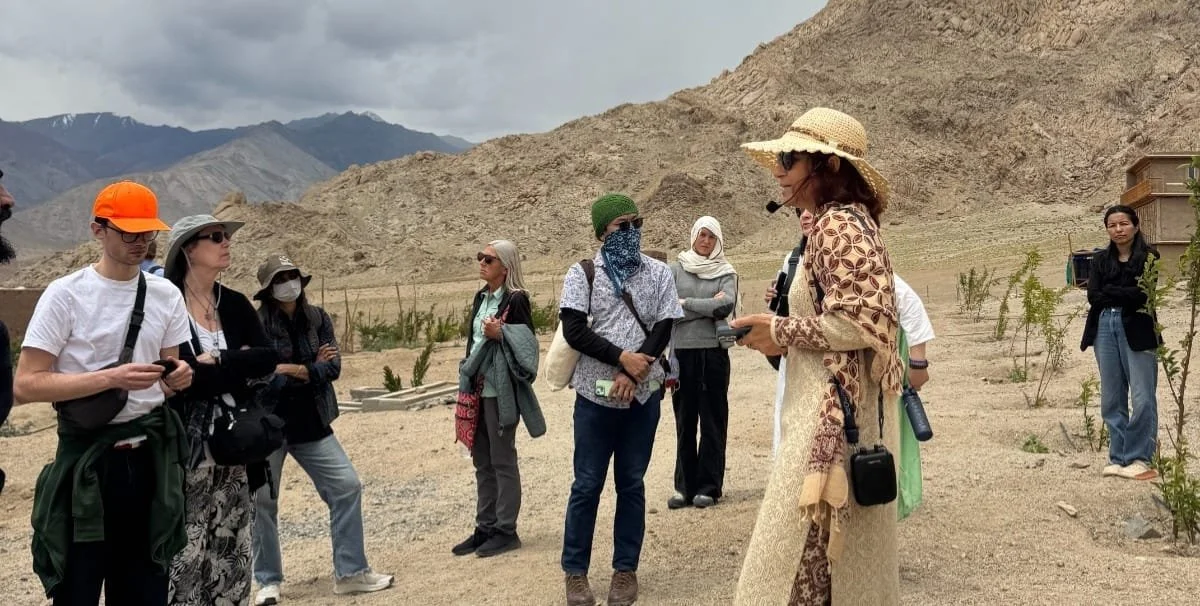
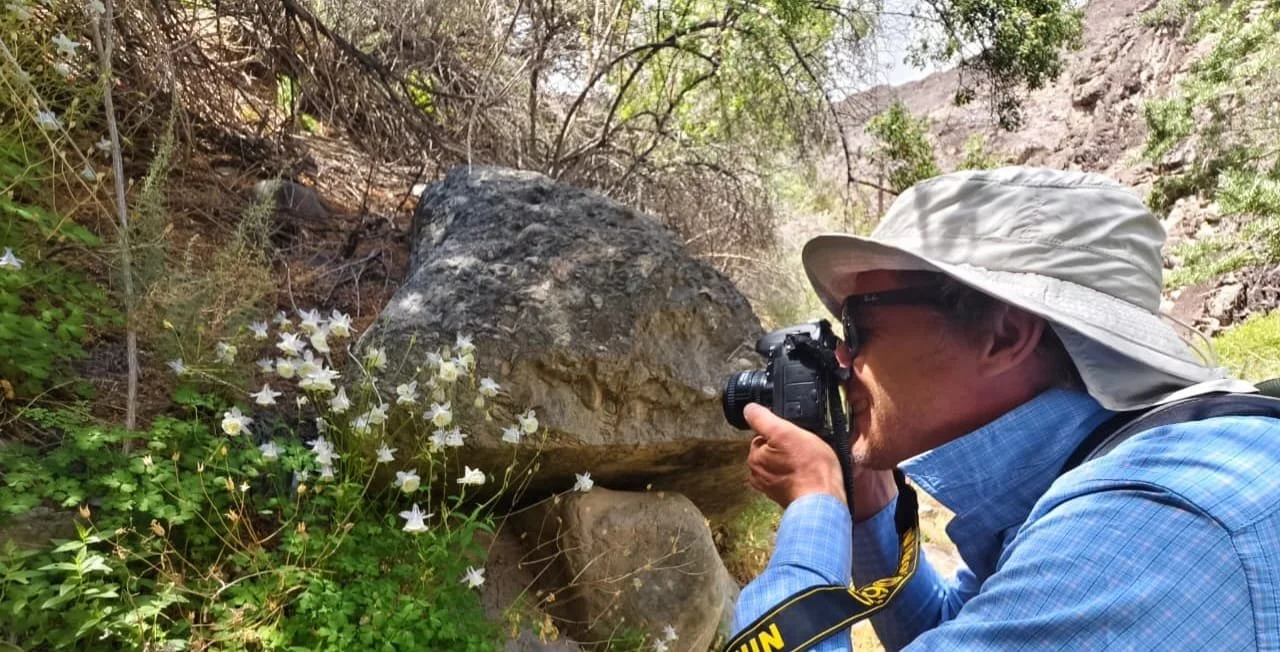
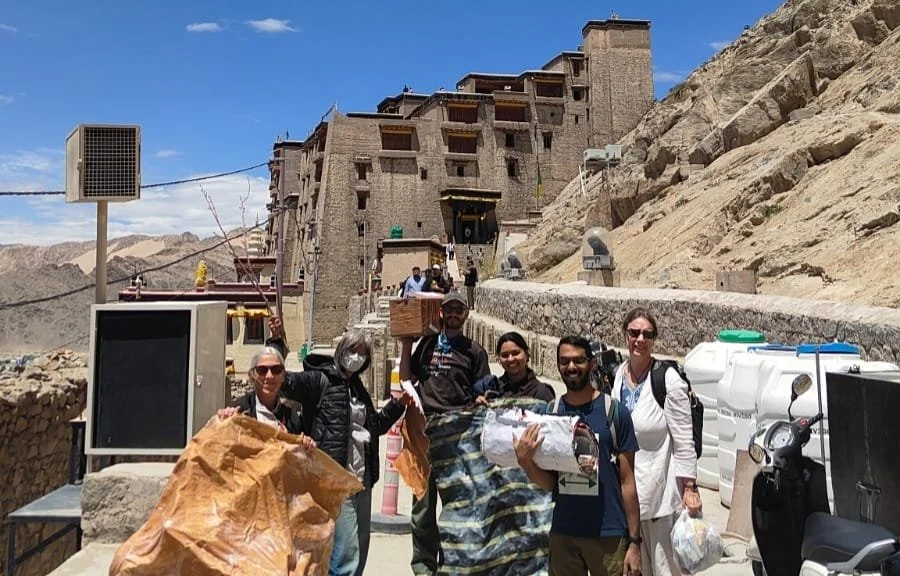
We started our time together by spending the better part of a day as individuals alone in Ladakh’s austere and awe-inspiring landscape, each person made to feel small by the jagged rocky mountain surround under a constantly changing sky, with small streams feeding new life in the valley below, accompanied by horses contentedly munching on tender shoots of green and the occasional house. But we also observed the signs of modernization: the harsh clanging of a dump truck laying the foundation for a new road, electrical towers piercing the skyline, and bits of refuse left by previous visitors to the valley.
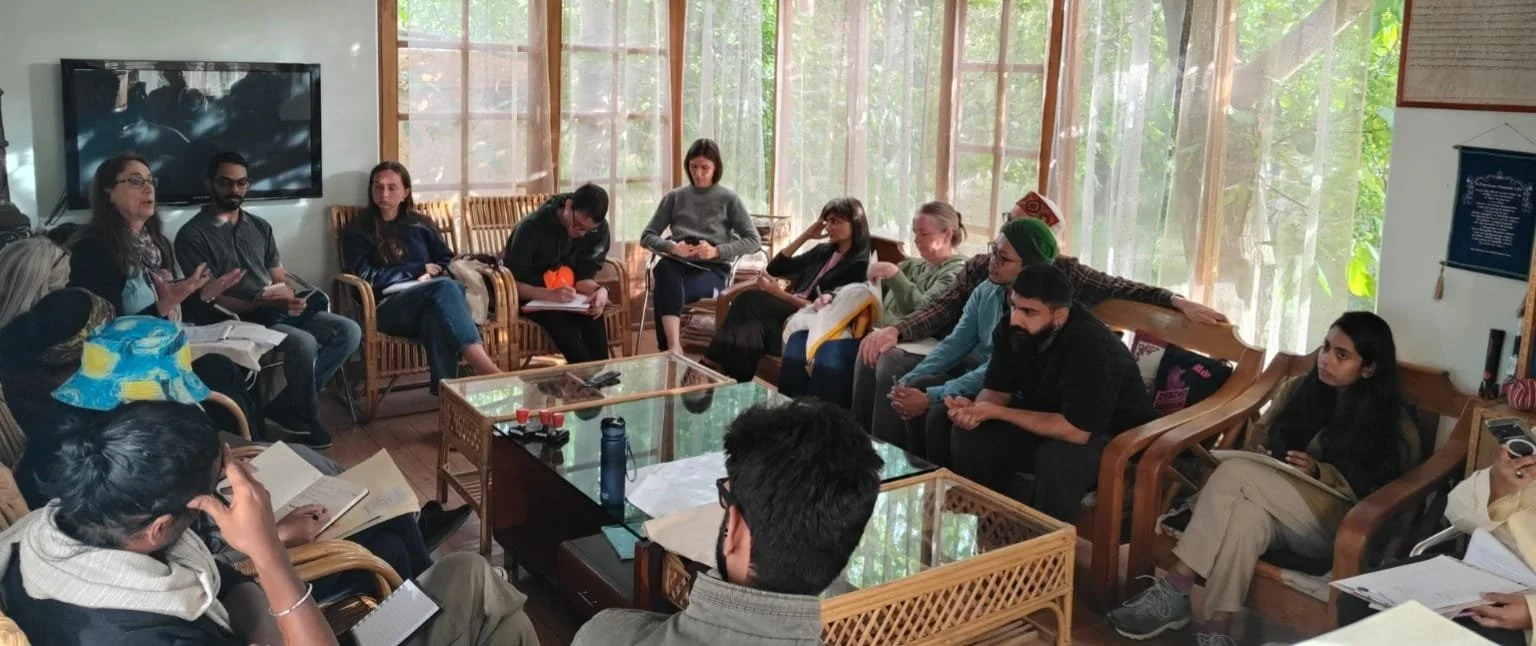
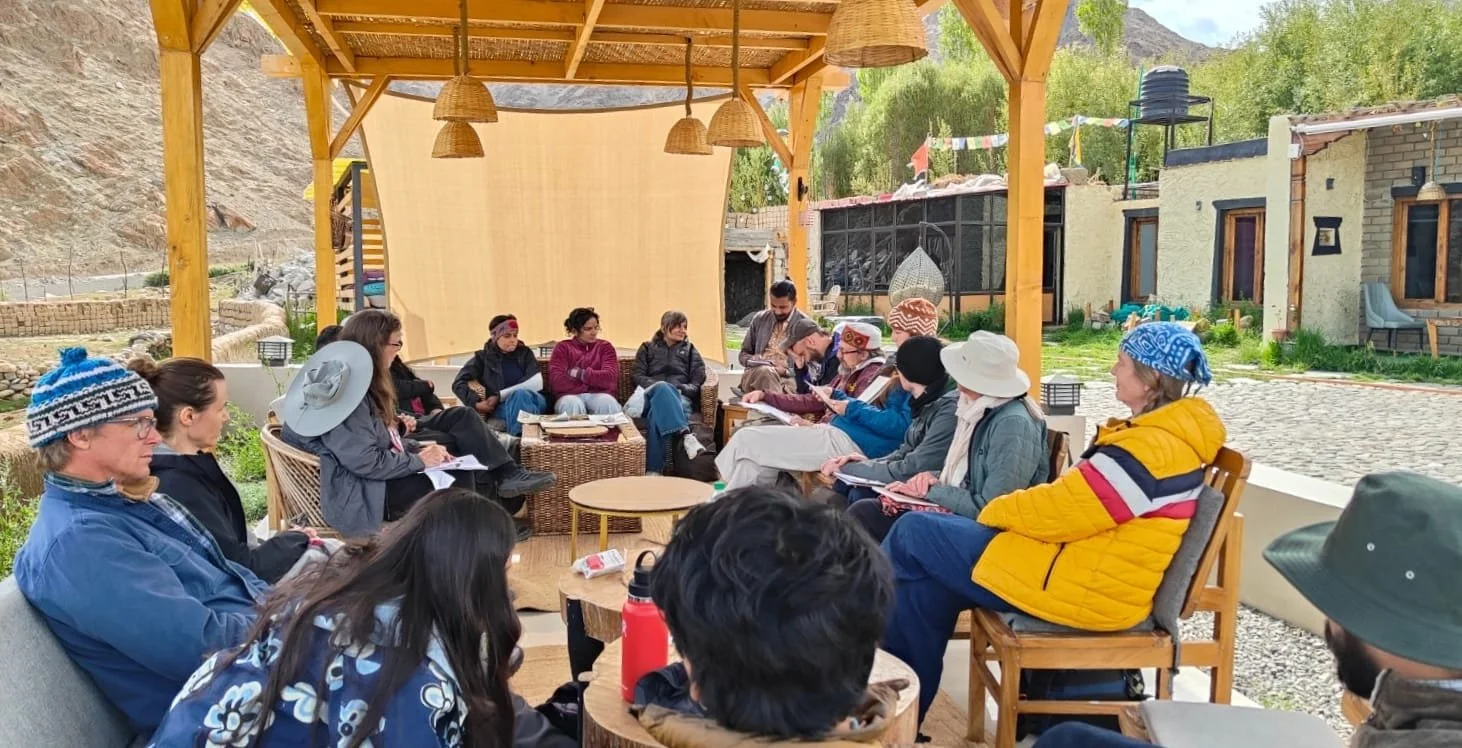
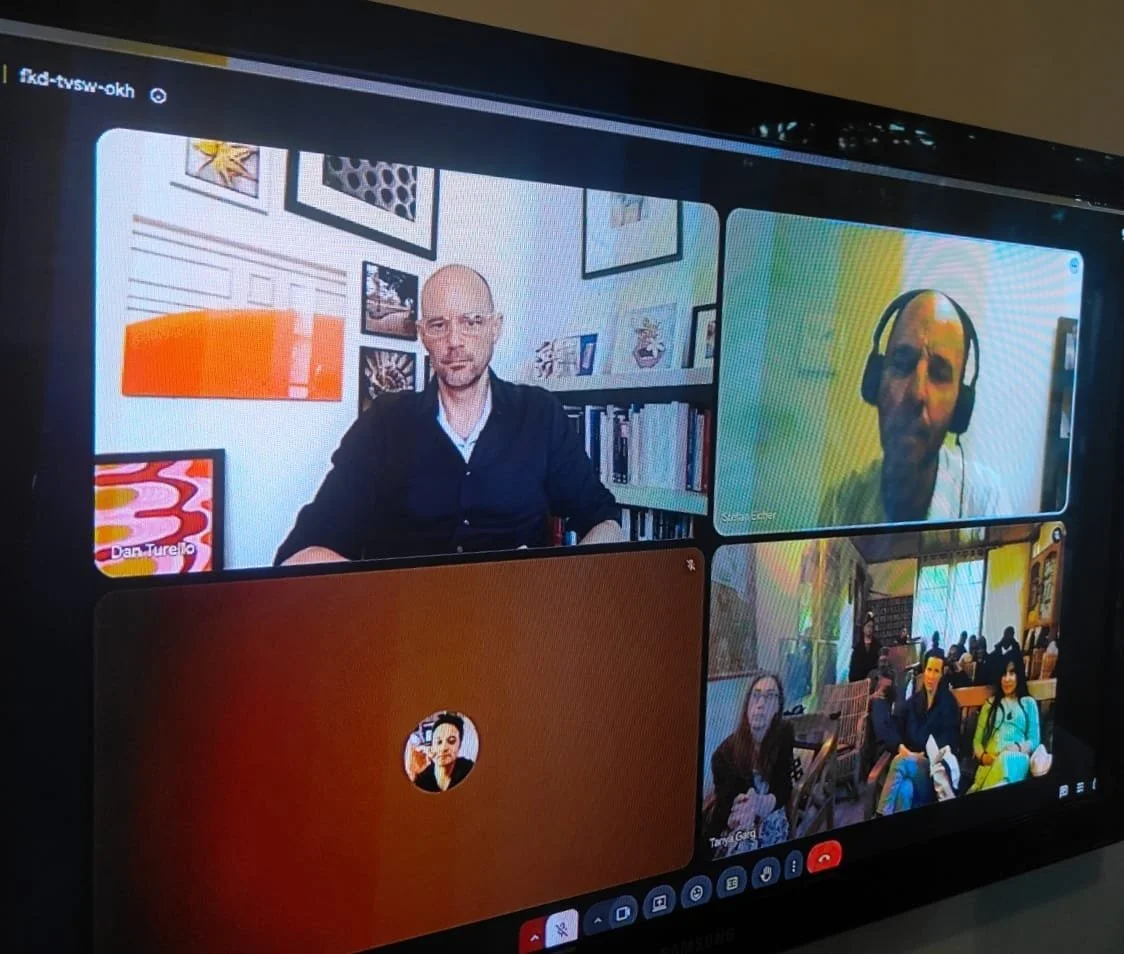
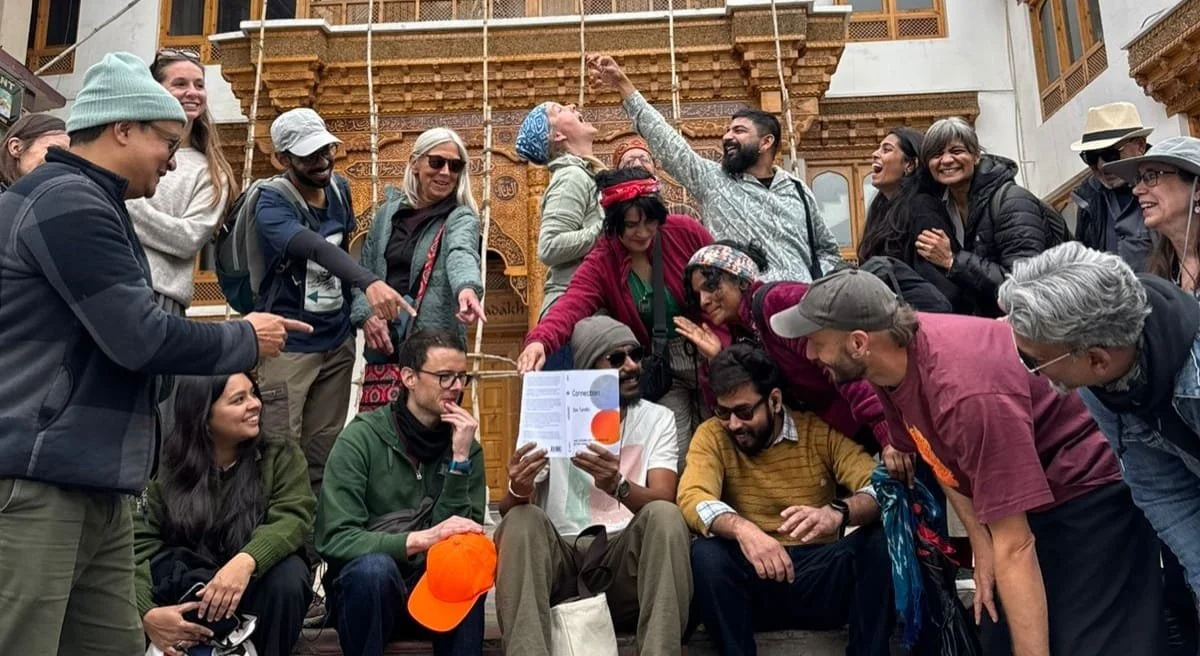
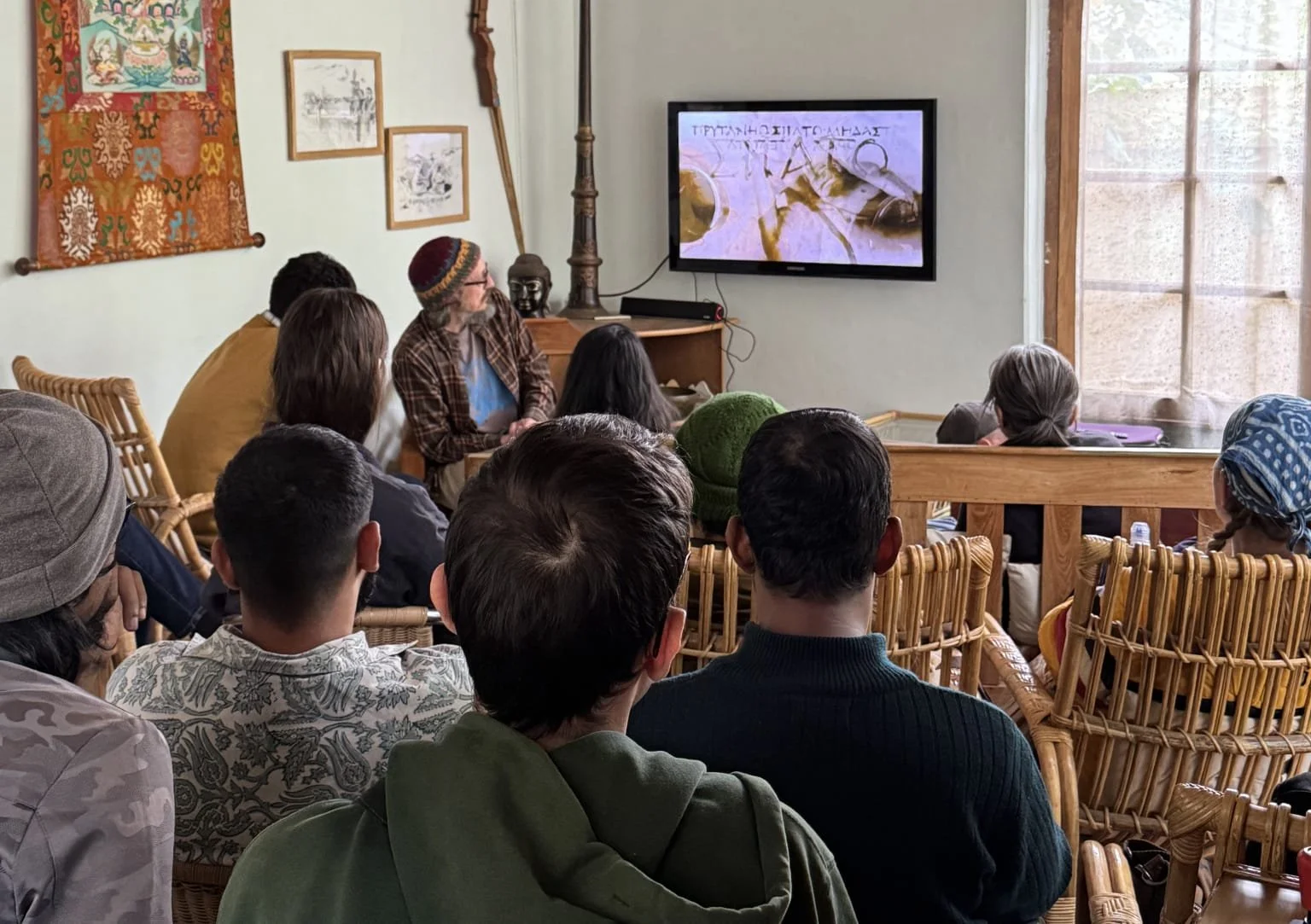
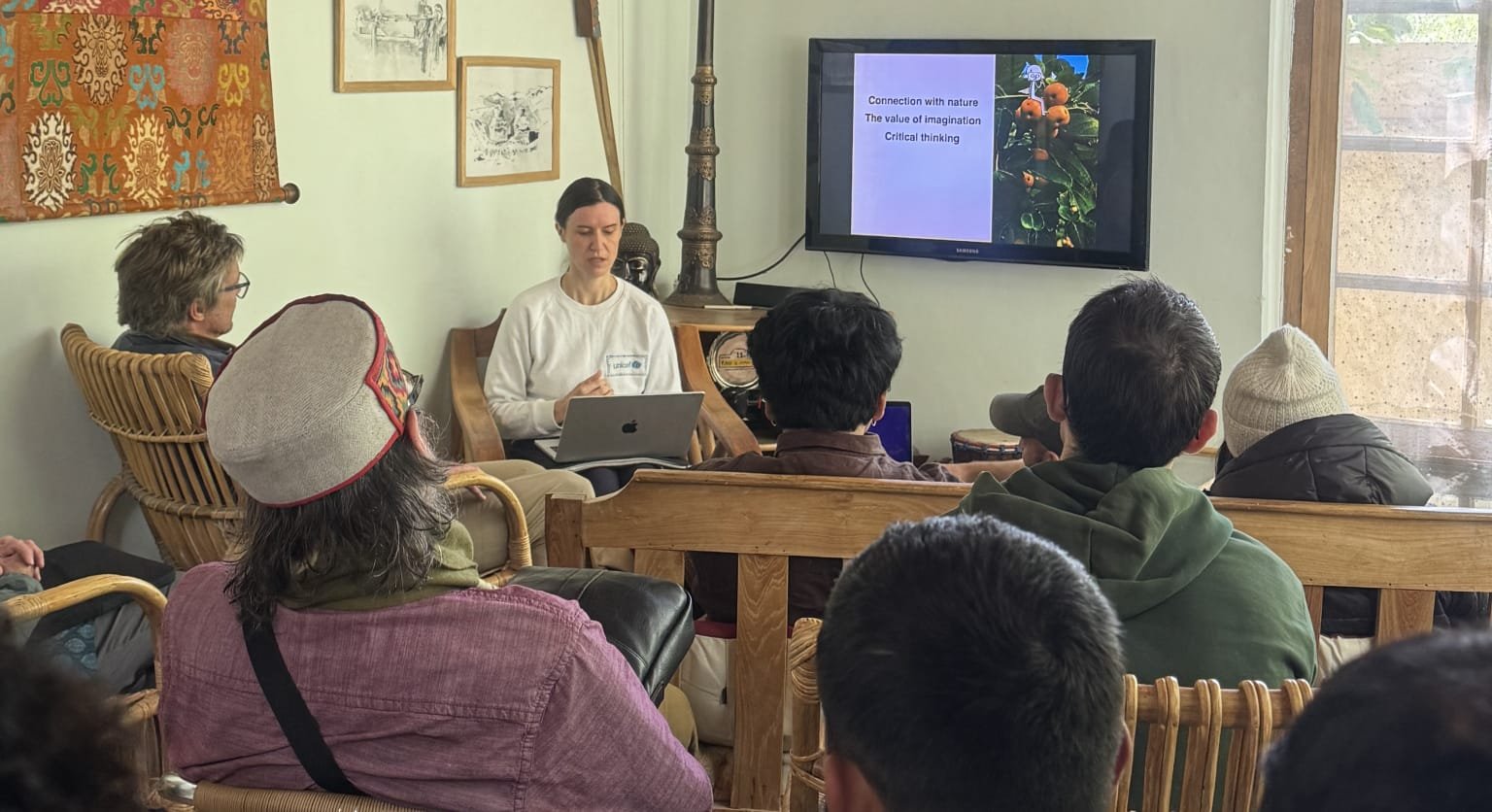
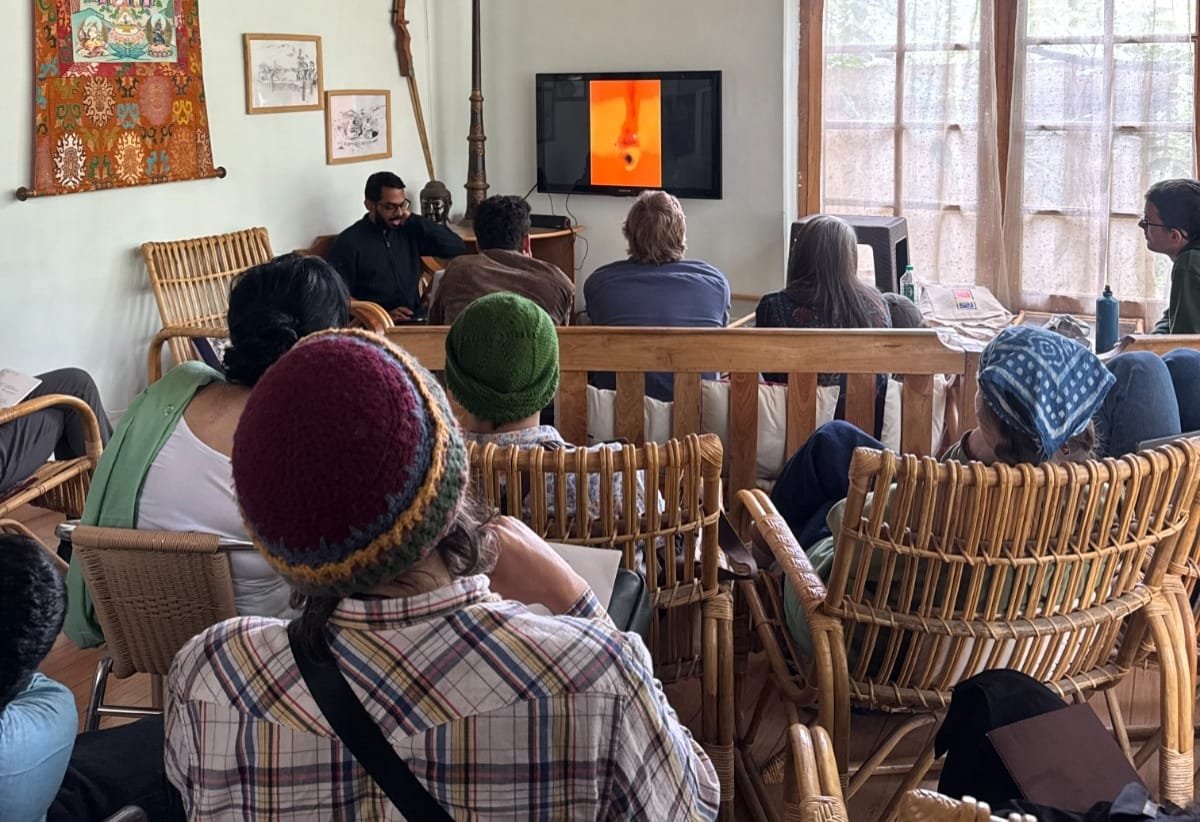
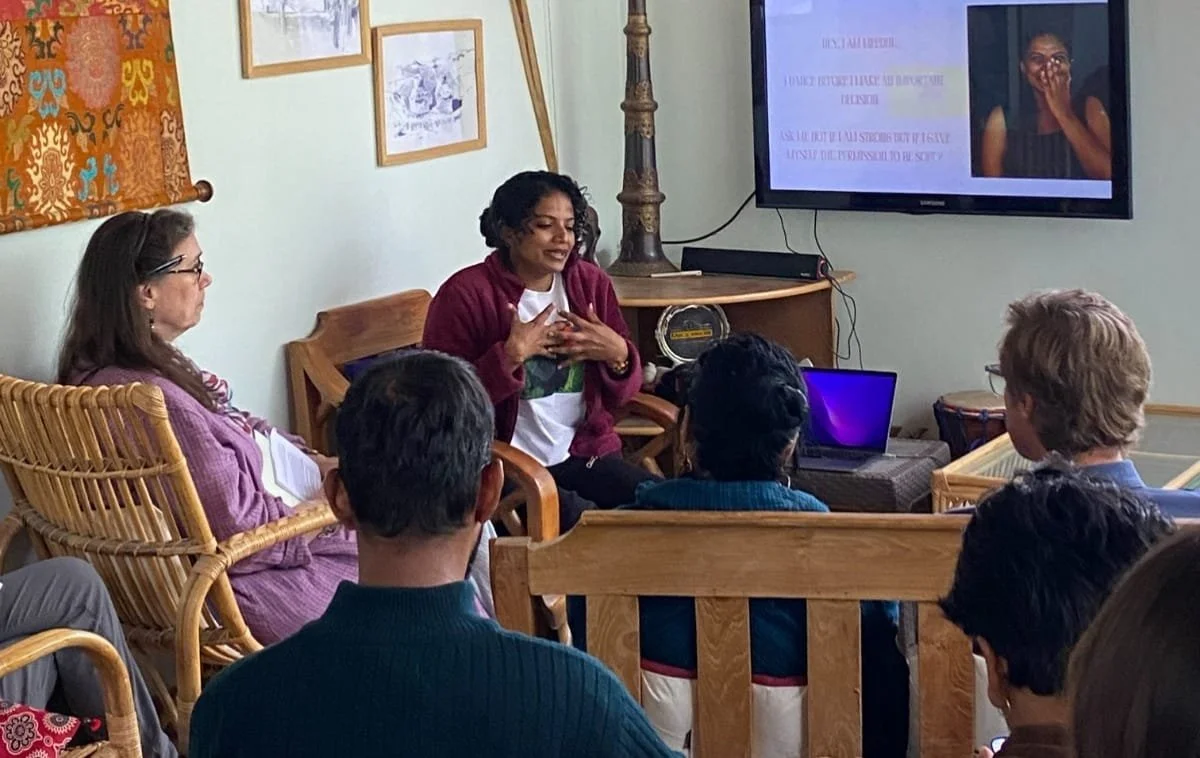
We also met via videoconference for a session with Dan Turello, the author of a book titled Connection: How Technology Can Make Us Better Humans who was in Washington, DC which reminded us of the many ways that technology provides the means to bridge time and geographical distance today to connect with people around the globe today. Technology is simply creating a method of making or doing. Human beings are fundamentally makers who create a way of life by producing the objects and means to support it. Through these two initial experiences, we were reminded of the indispensible fact of our embodiment and how human beings ‘know’ things through our senses and bodily relationship to the earth and each other.
Ladakh has been the perfect place to withdraw from the frenetic pace of modern urban life to reflect upon the impact of the technological advances that are transforming the way we communicate, work, and live at what seems to be a breakneck speed. Ladakh itself has been rapidly changing in recent decades from a largely agrarian, sustainable way of life with deep family, community, and religious foundations that provided stability, belonging, and satisfaction as a result of modernization and the promotion of Ladakh as a tourist destination that has driven a great deal of the economic development.
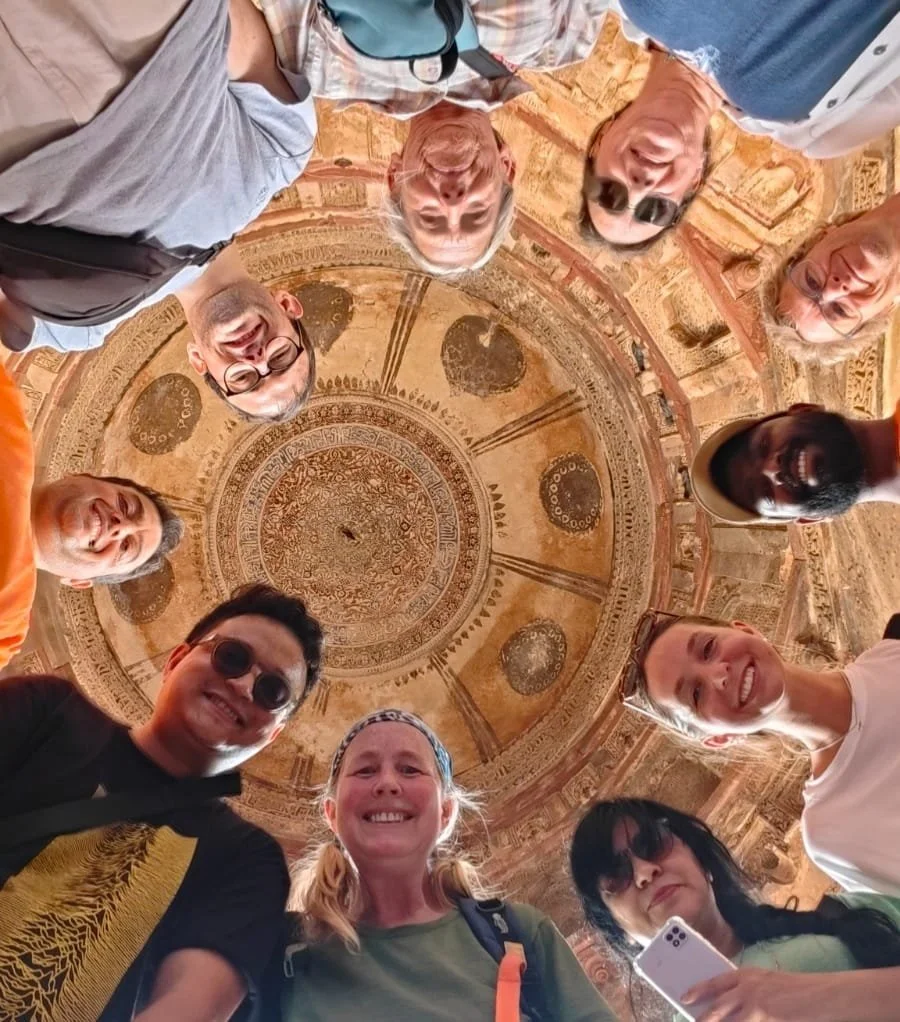
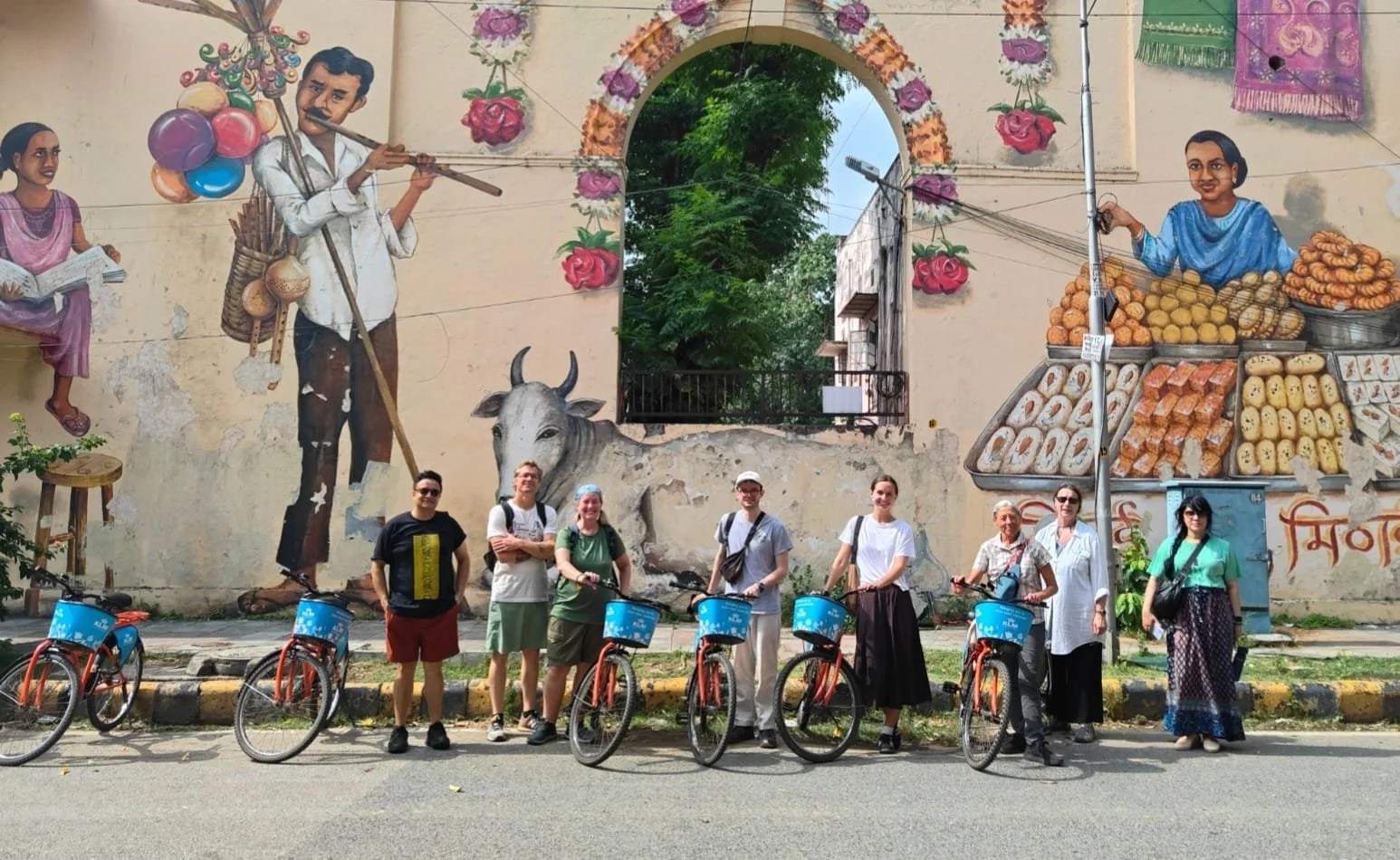
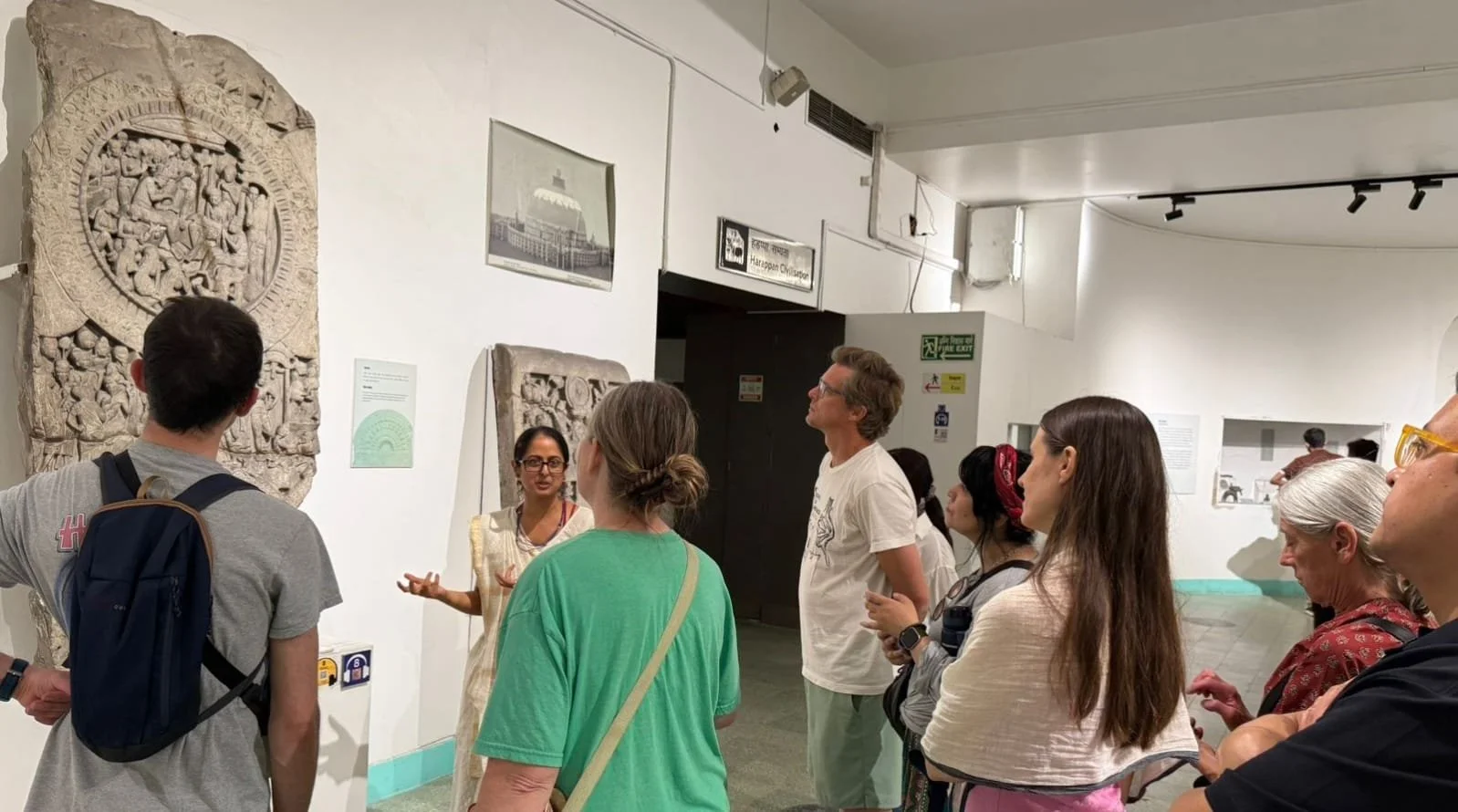
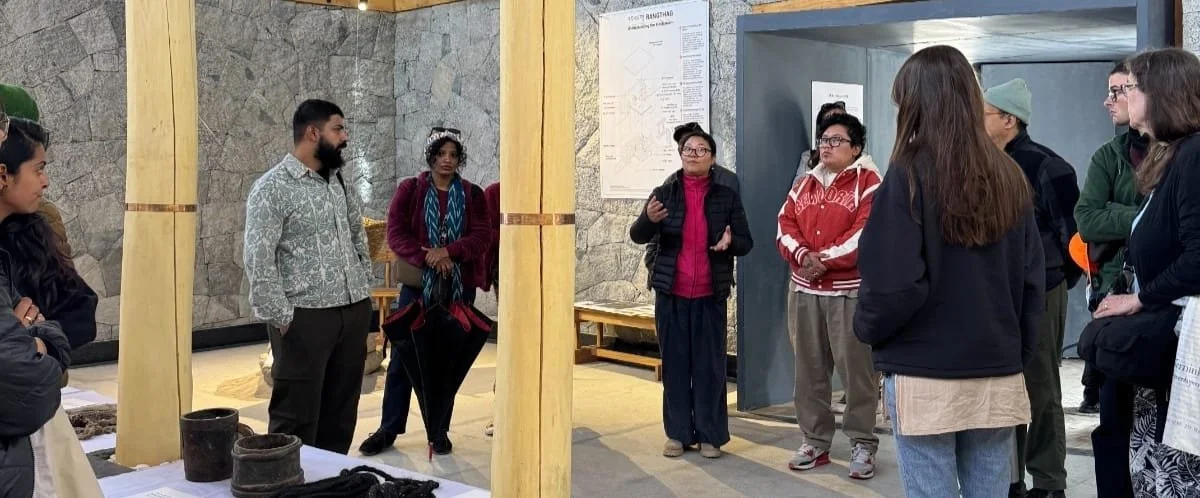
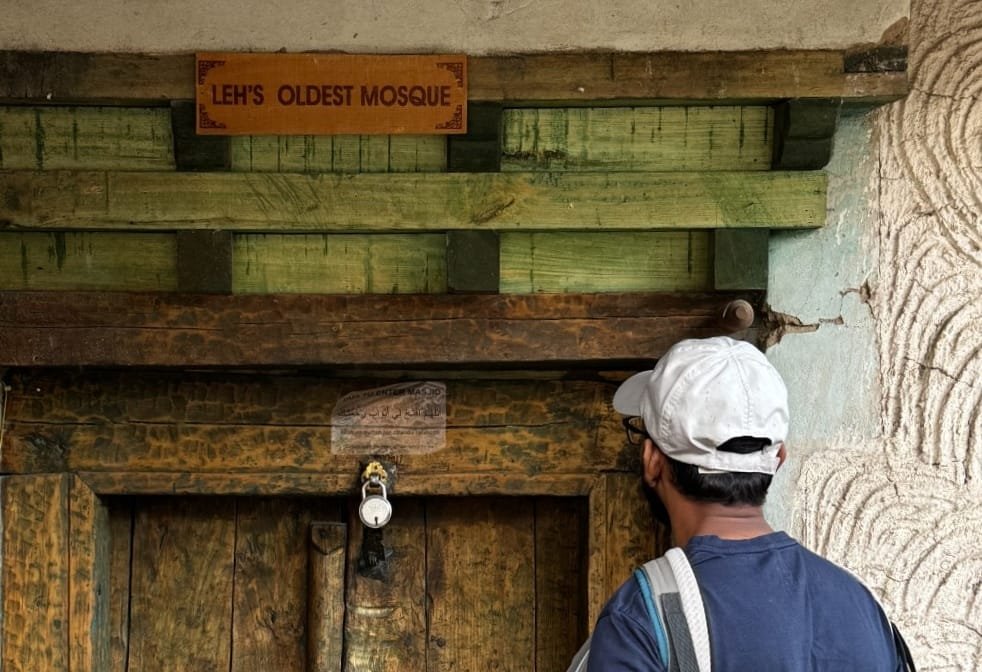
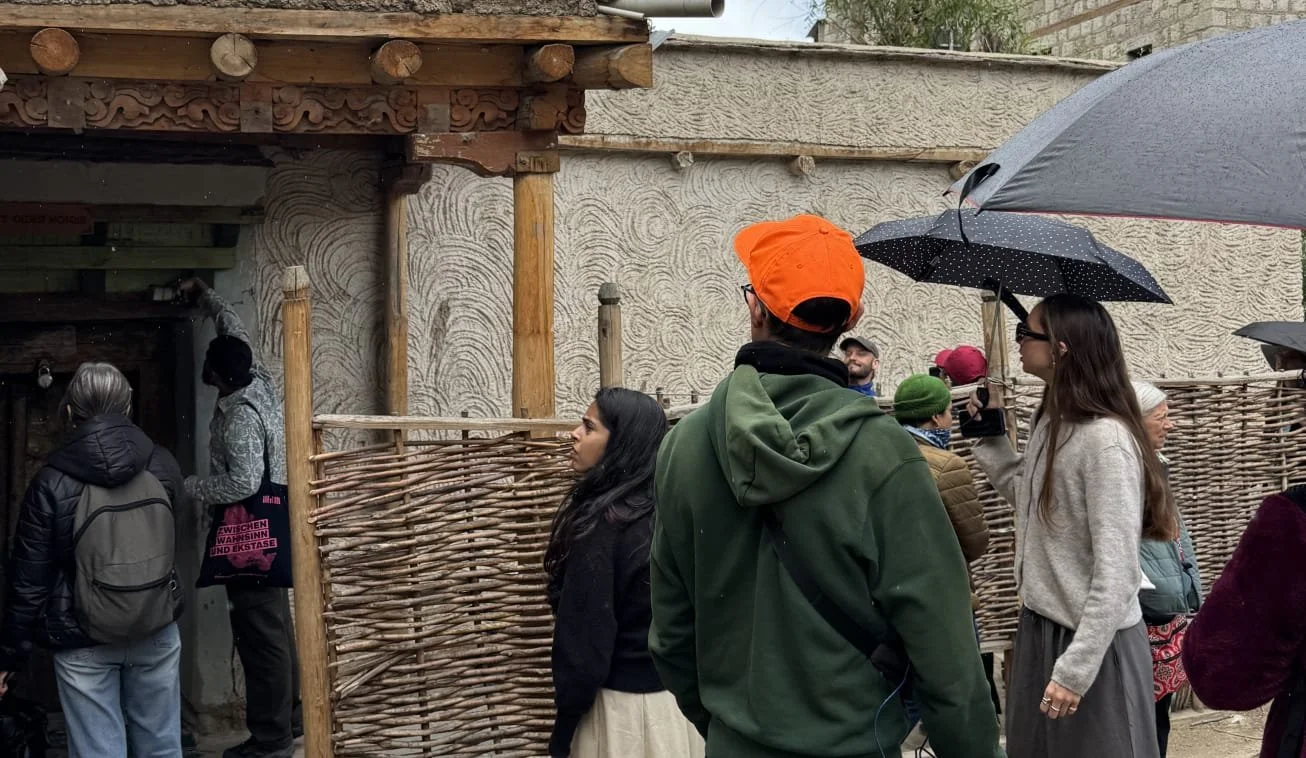
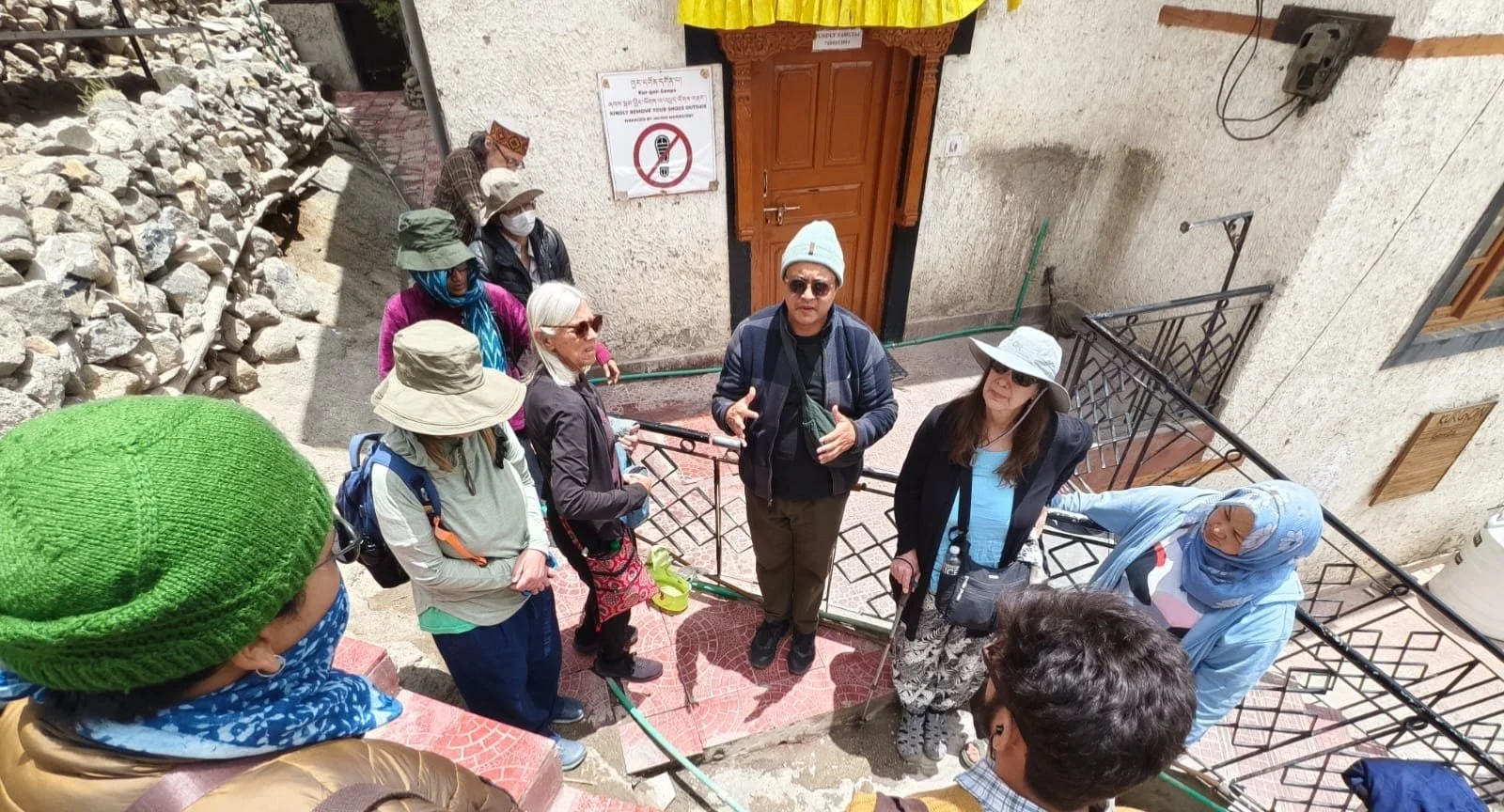
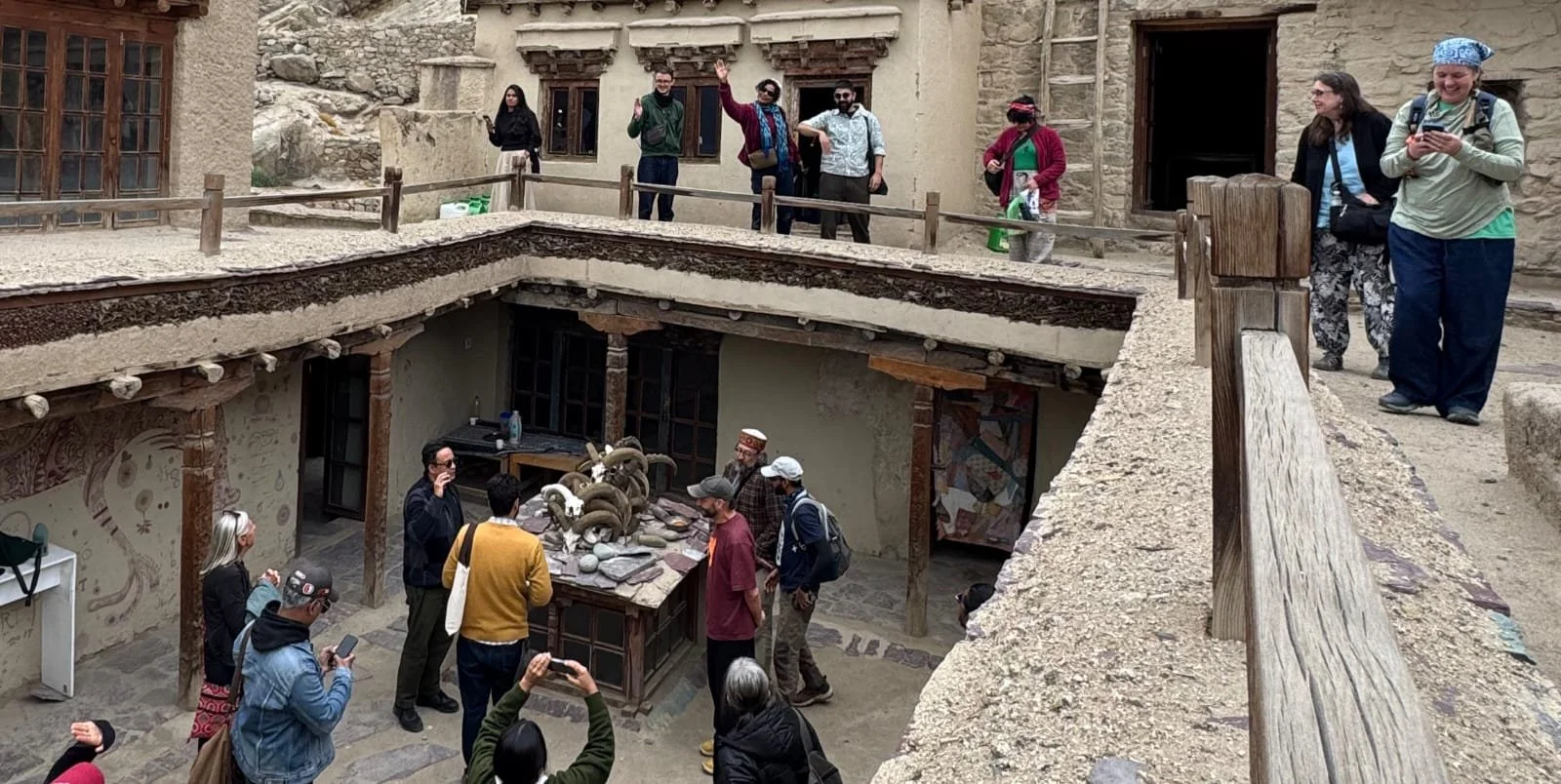
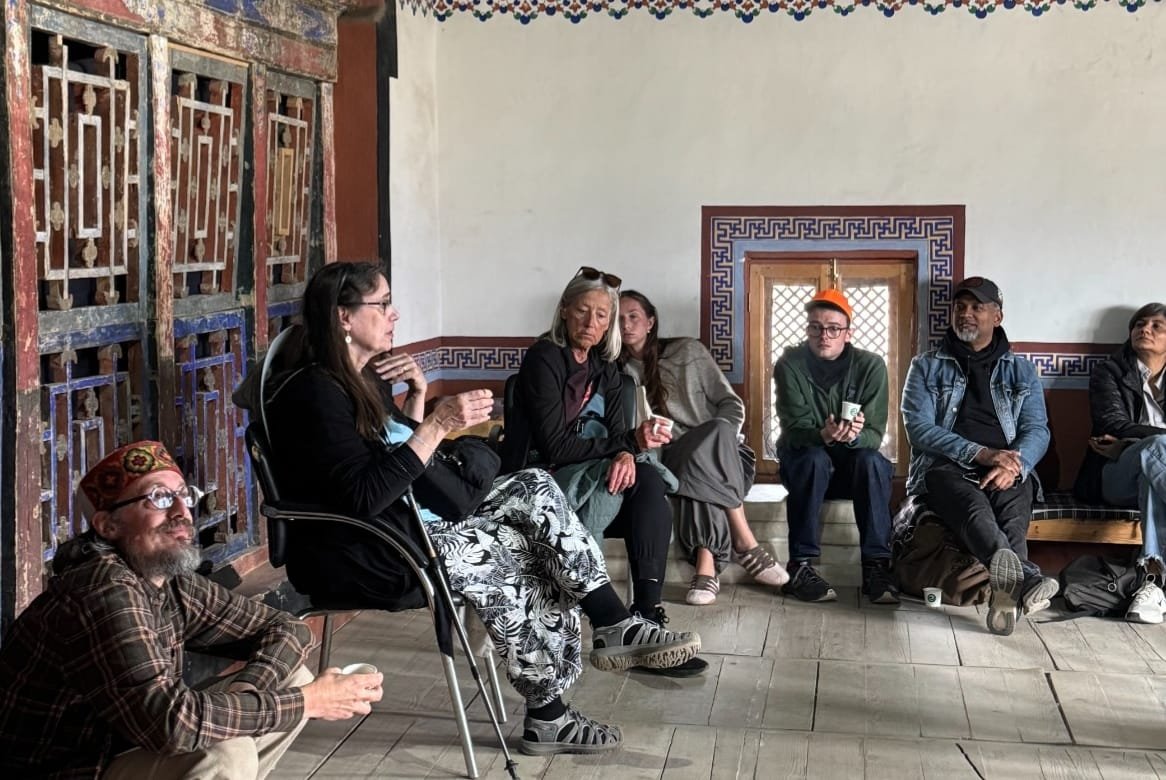
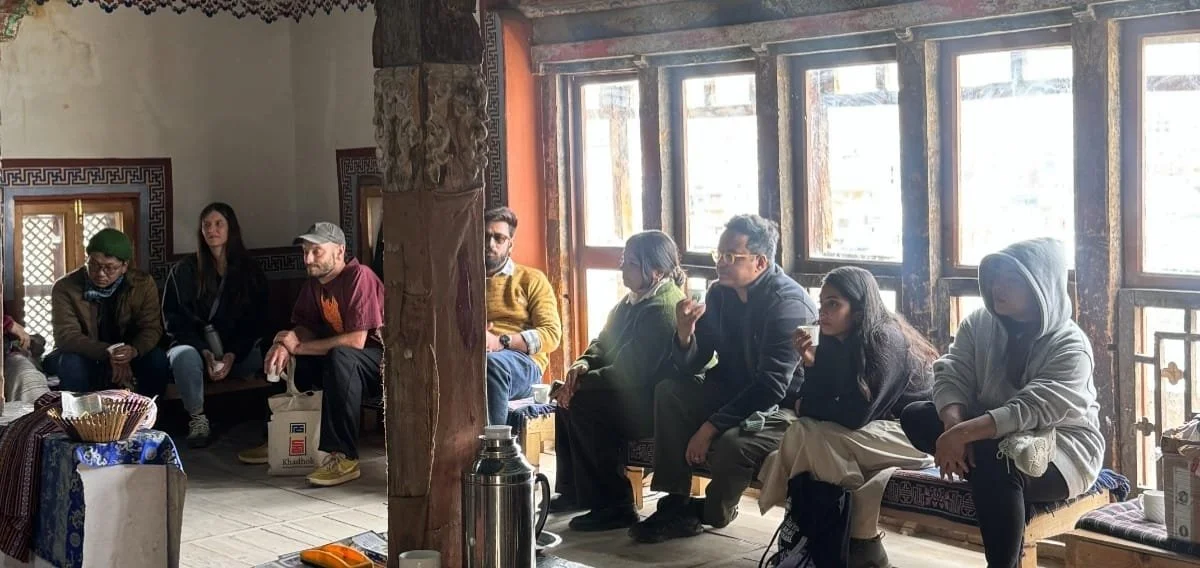
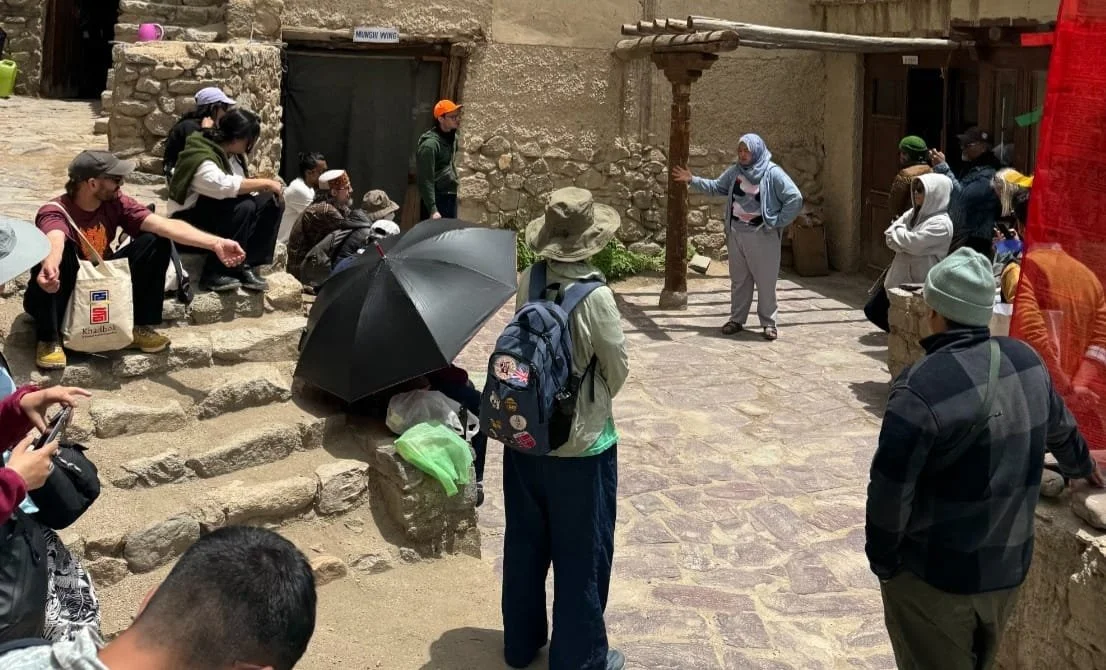
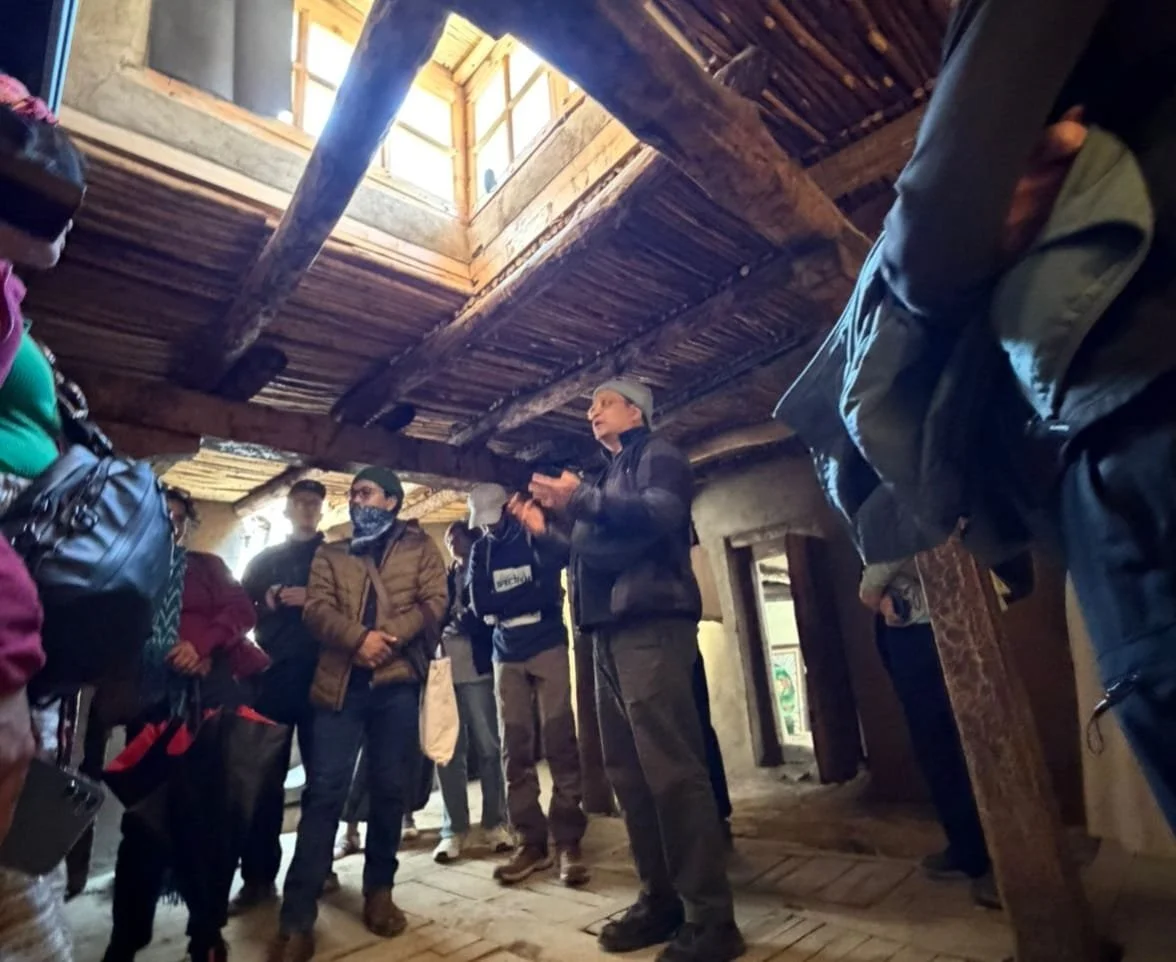
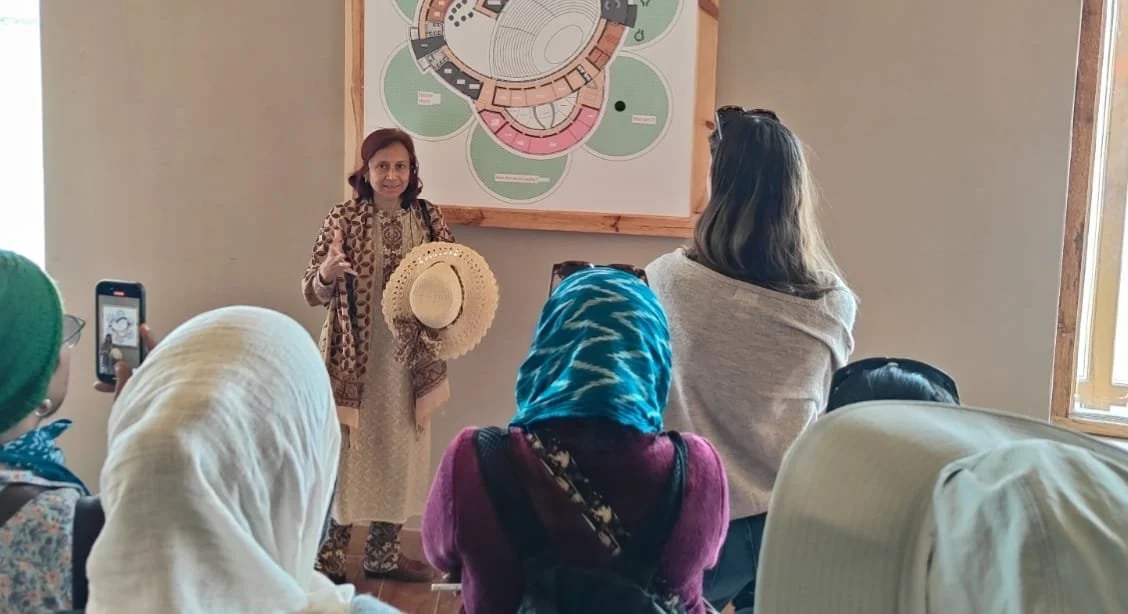
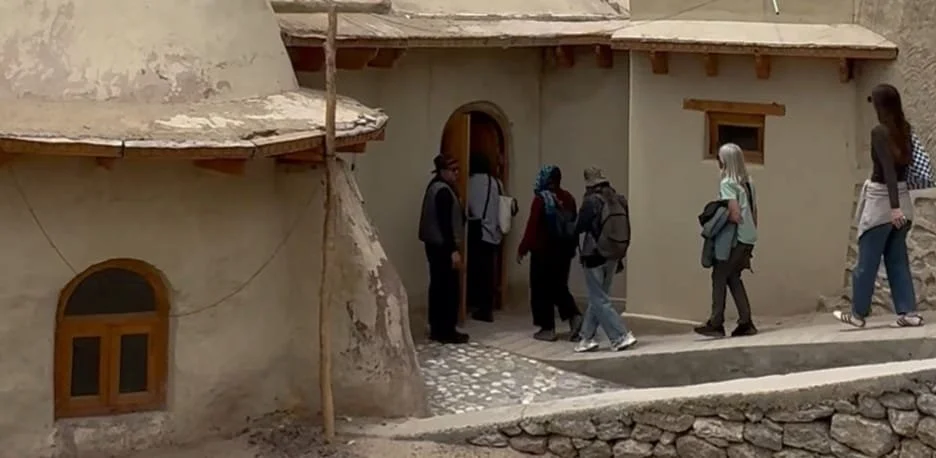
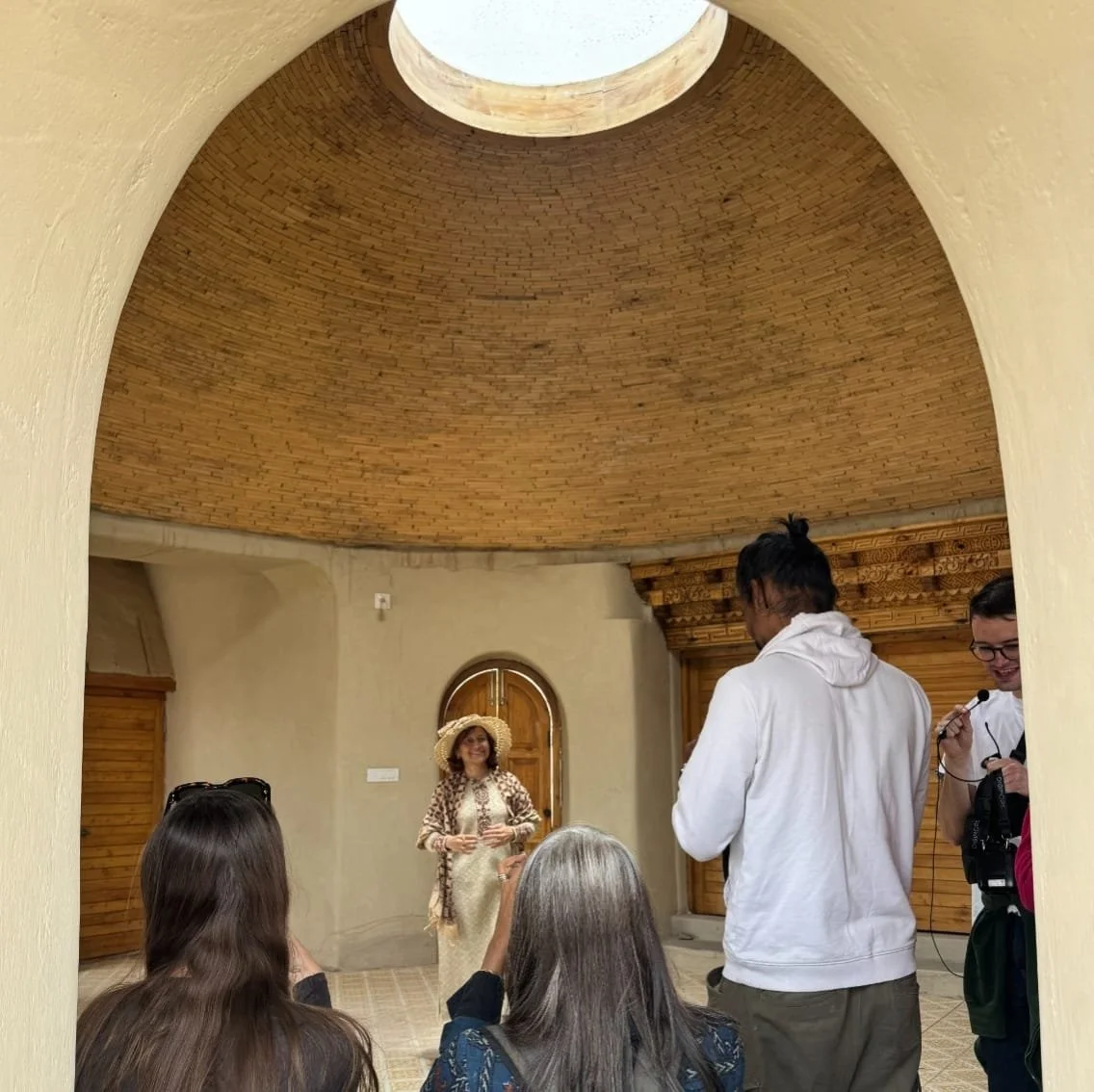
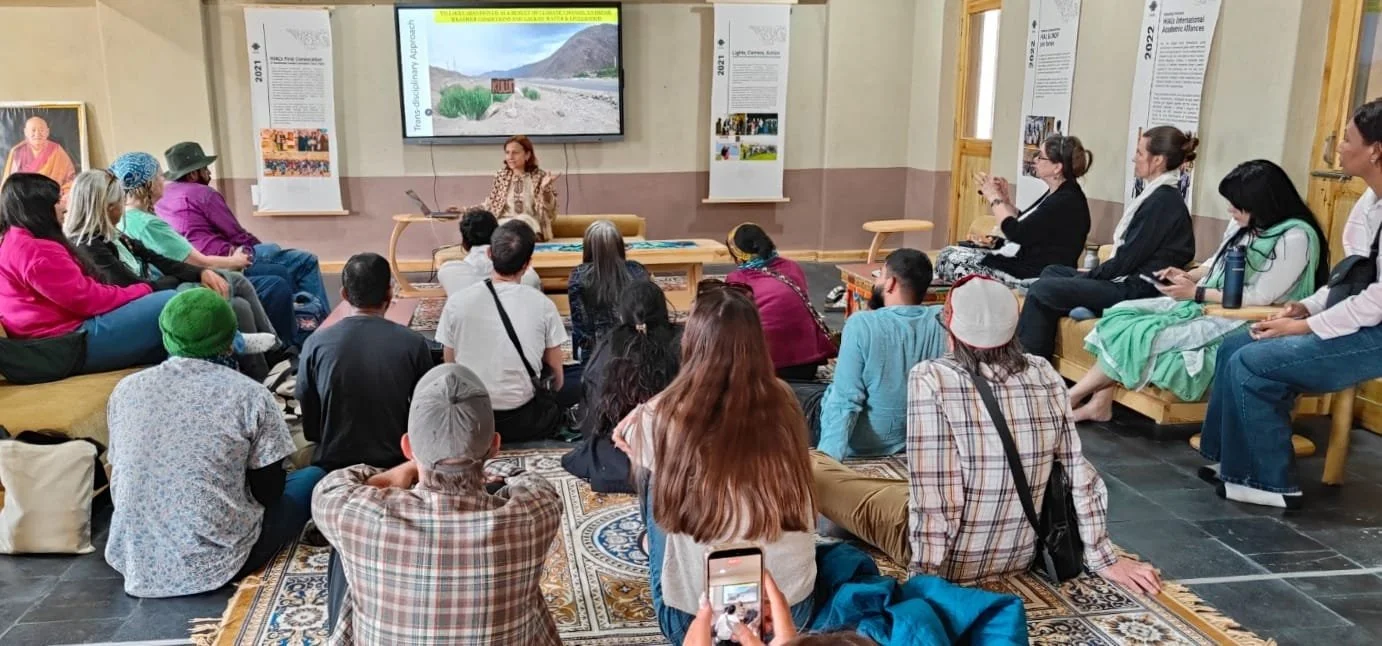
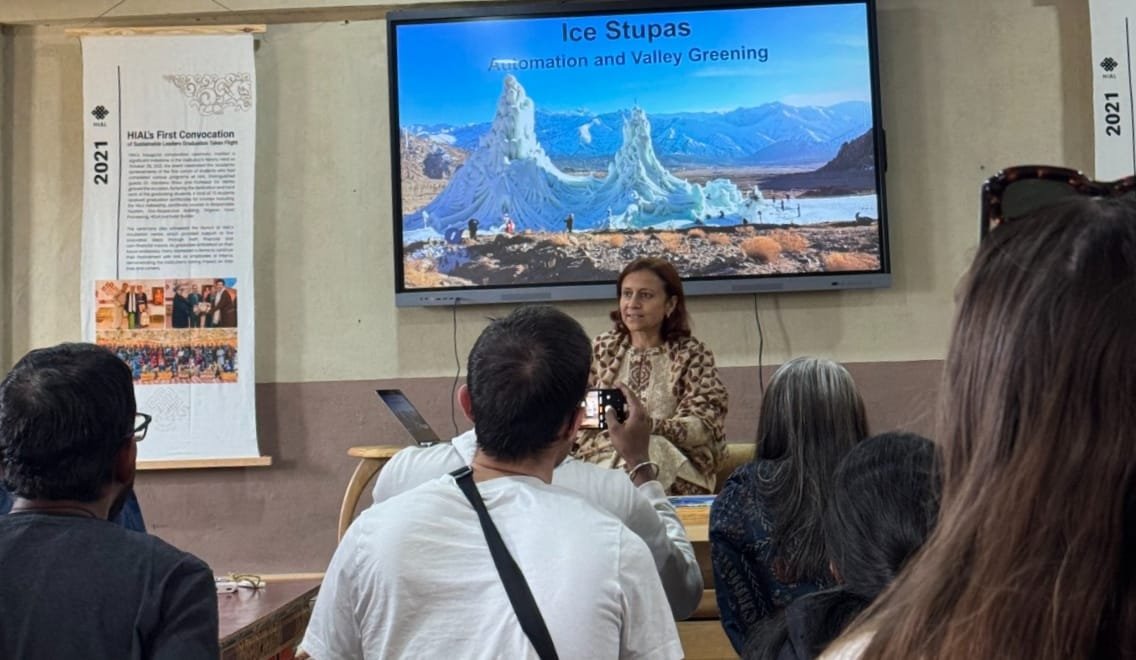
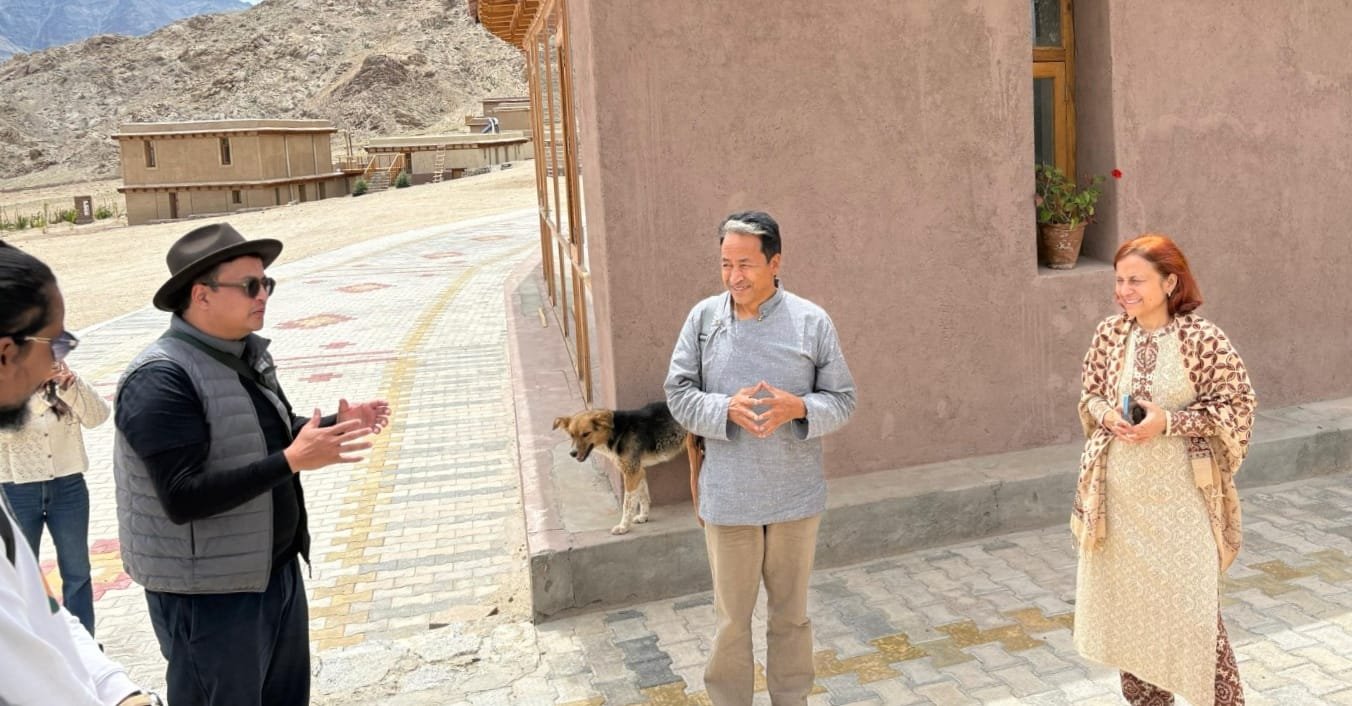
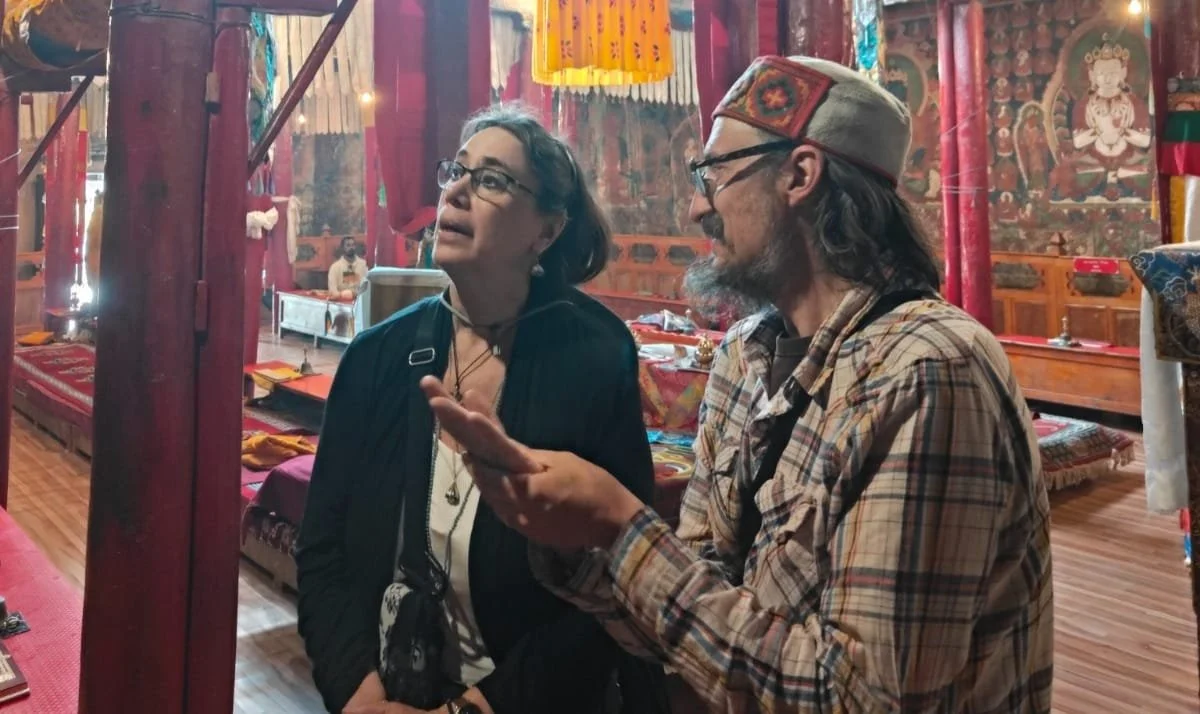
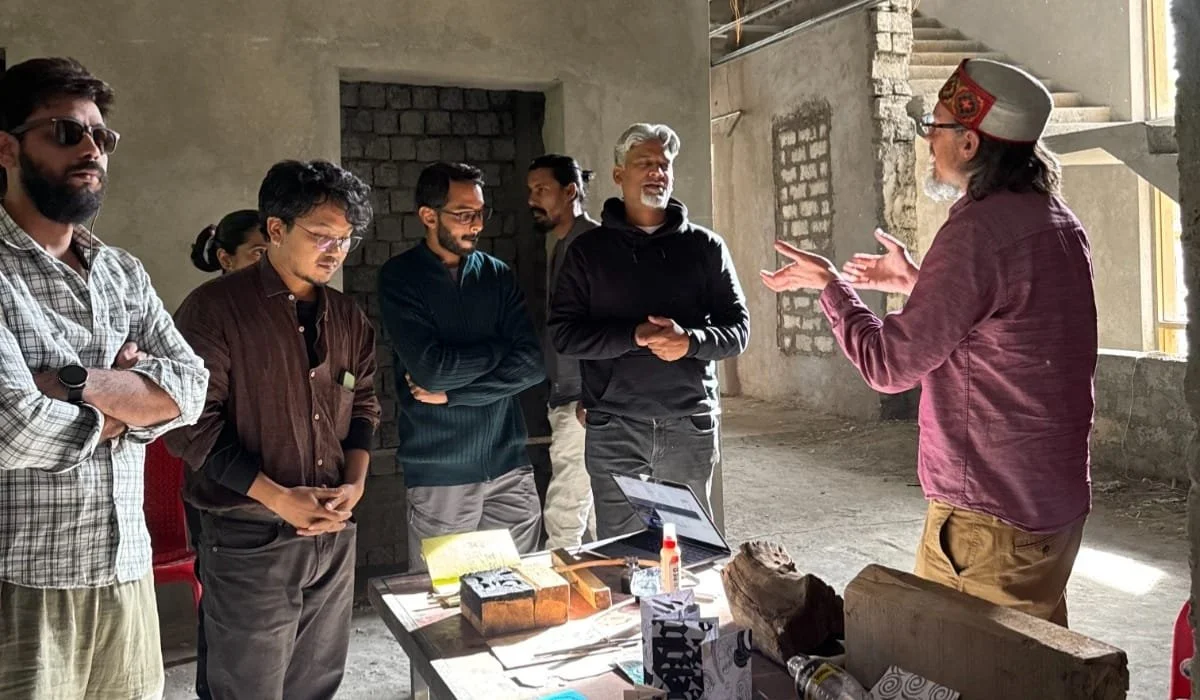
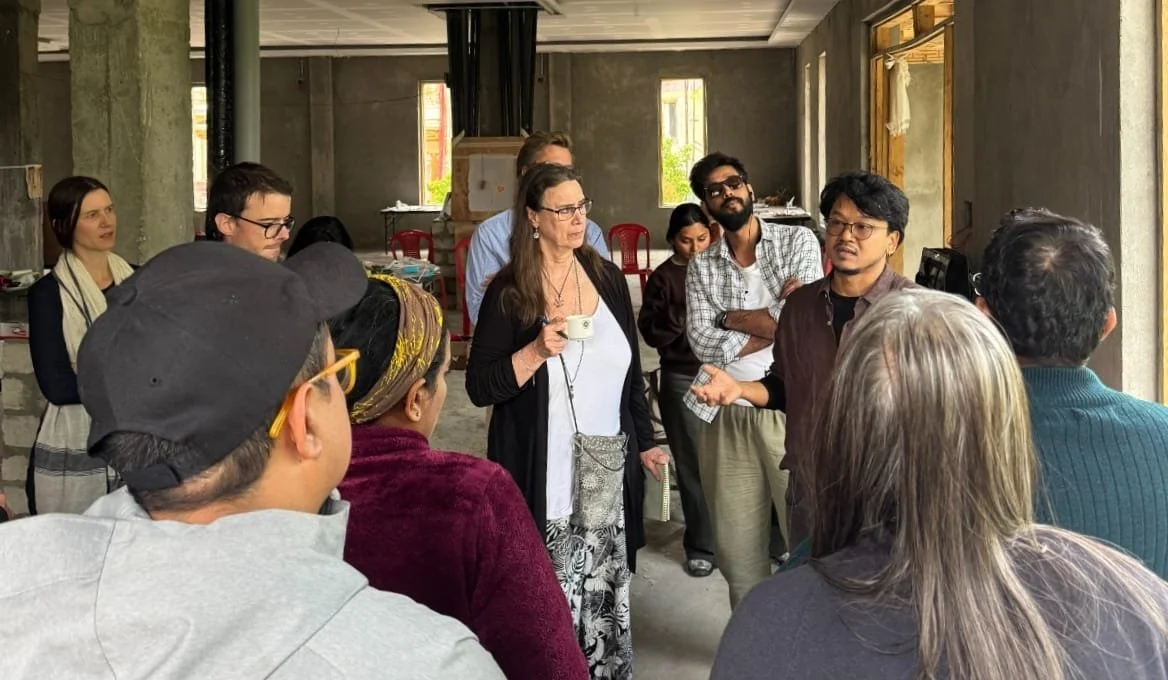
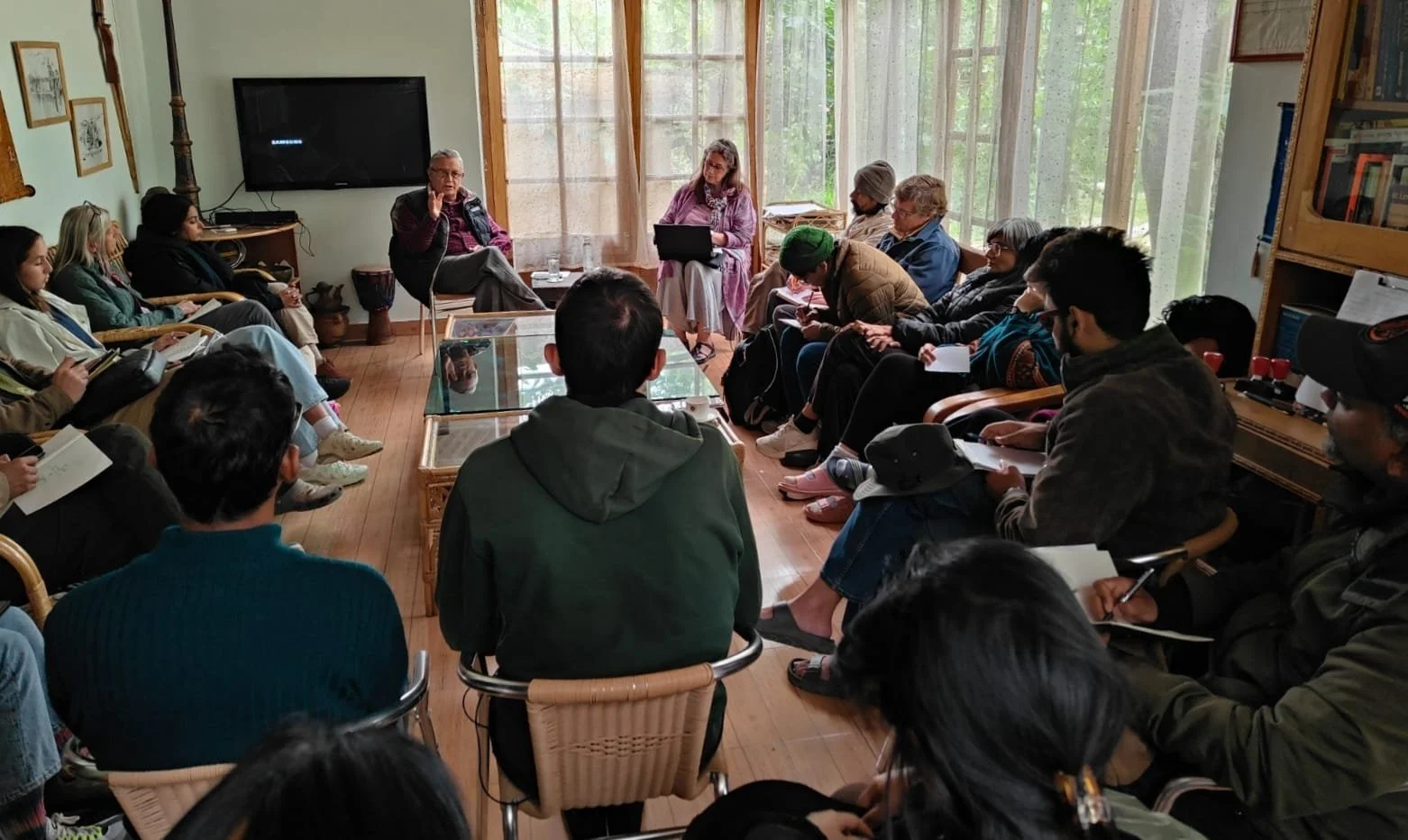
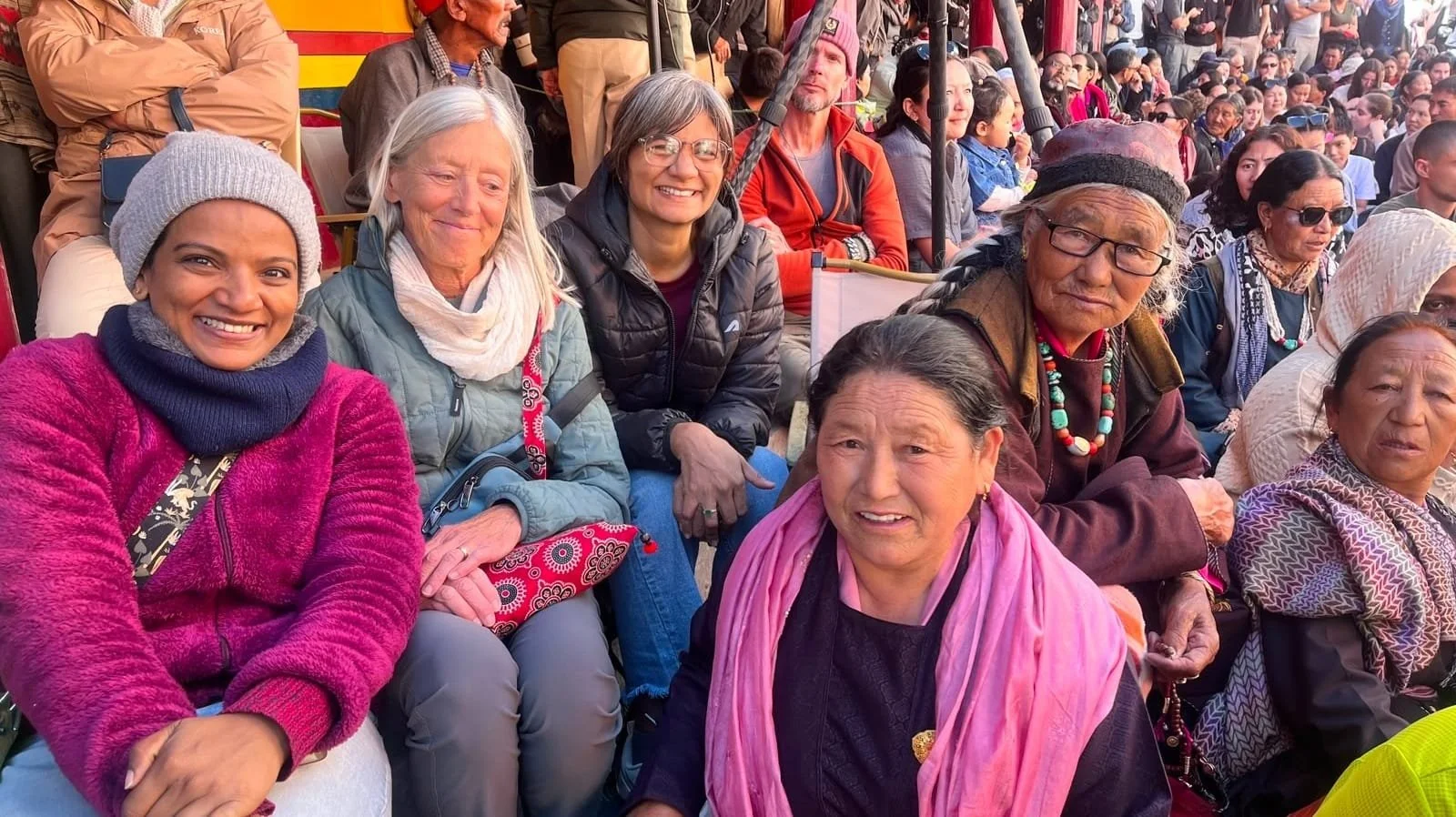
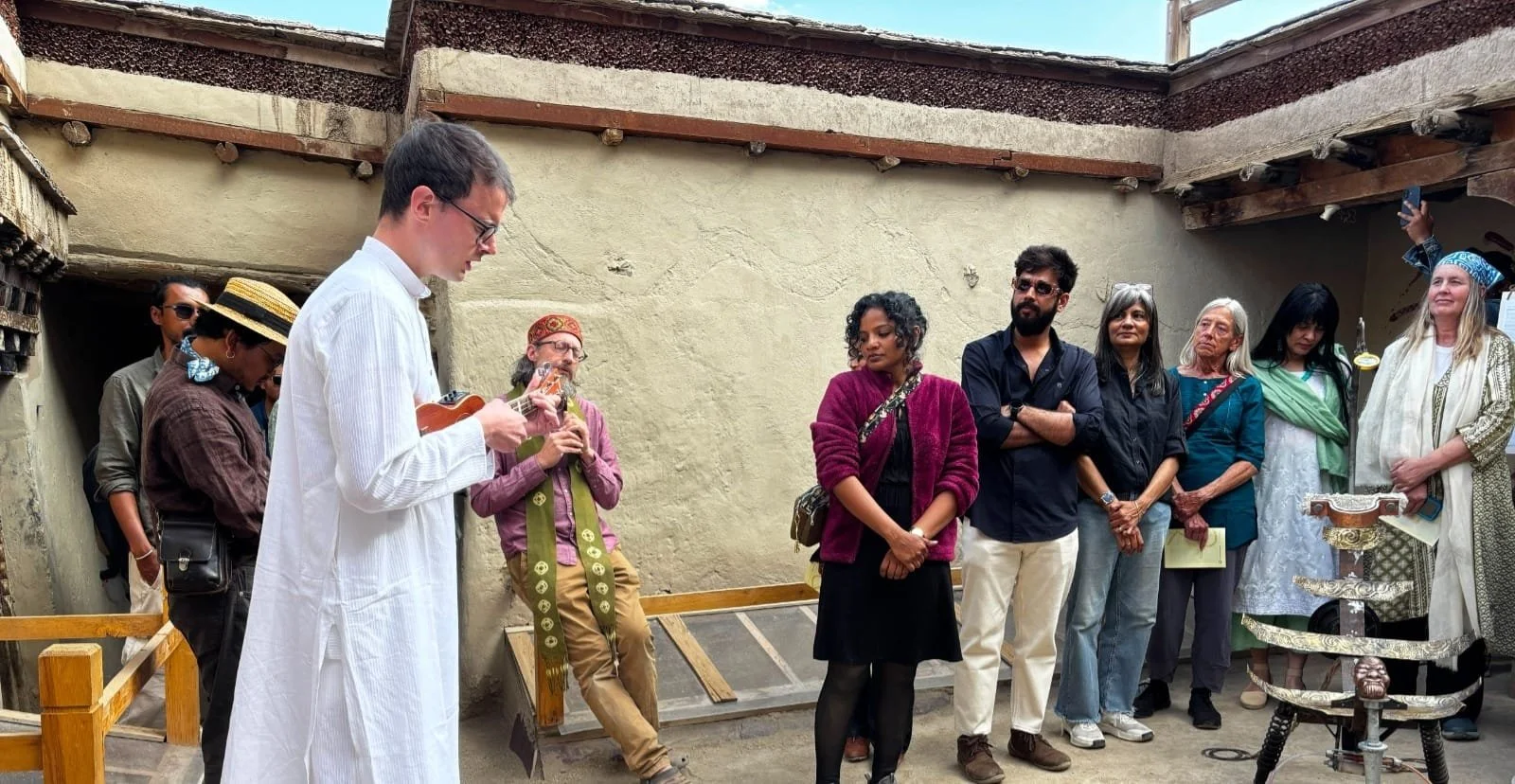
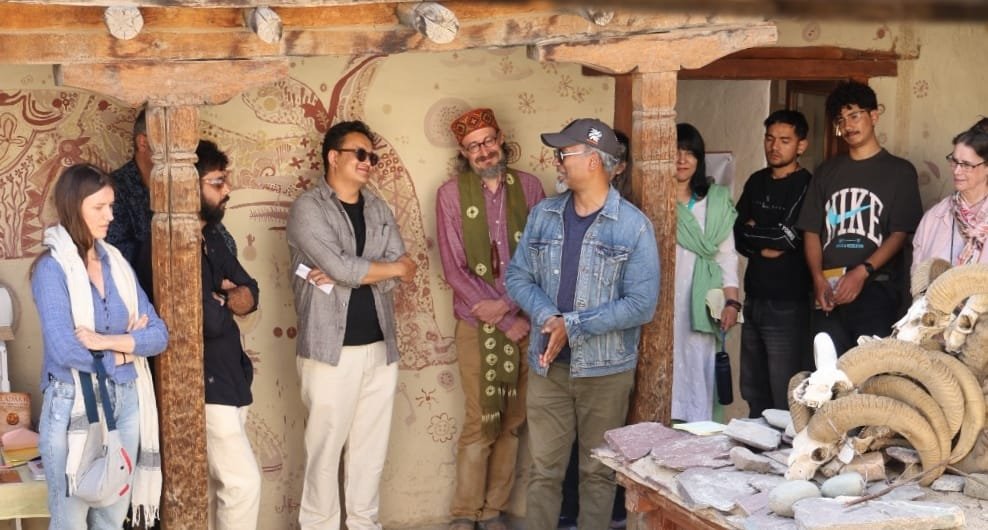
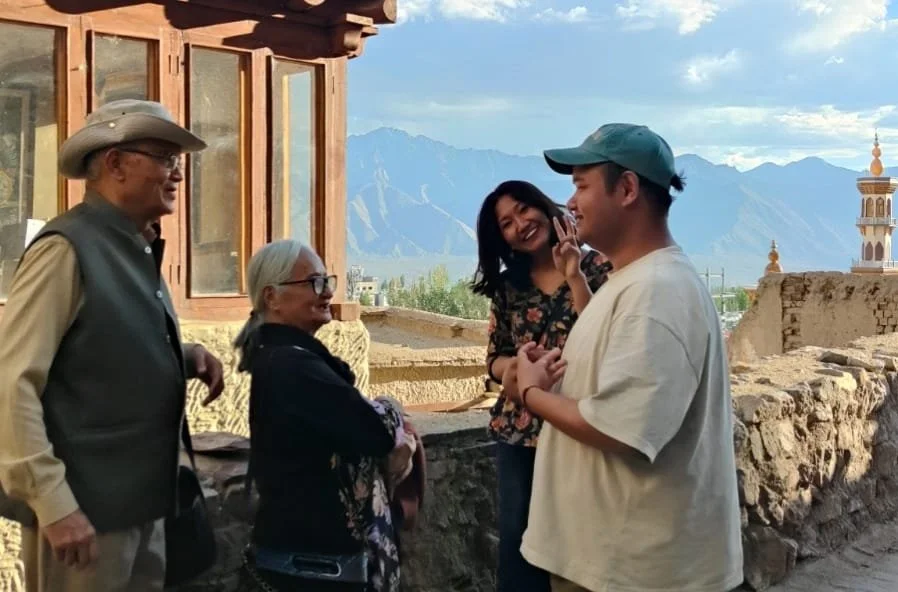
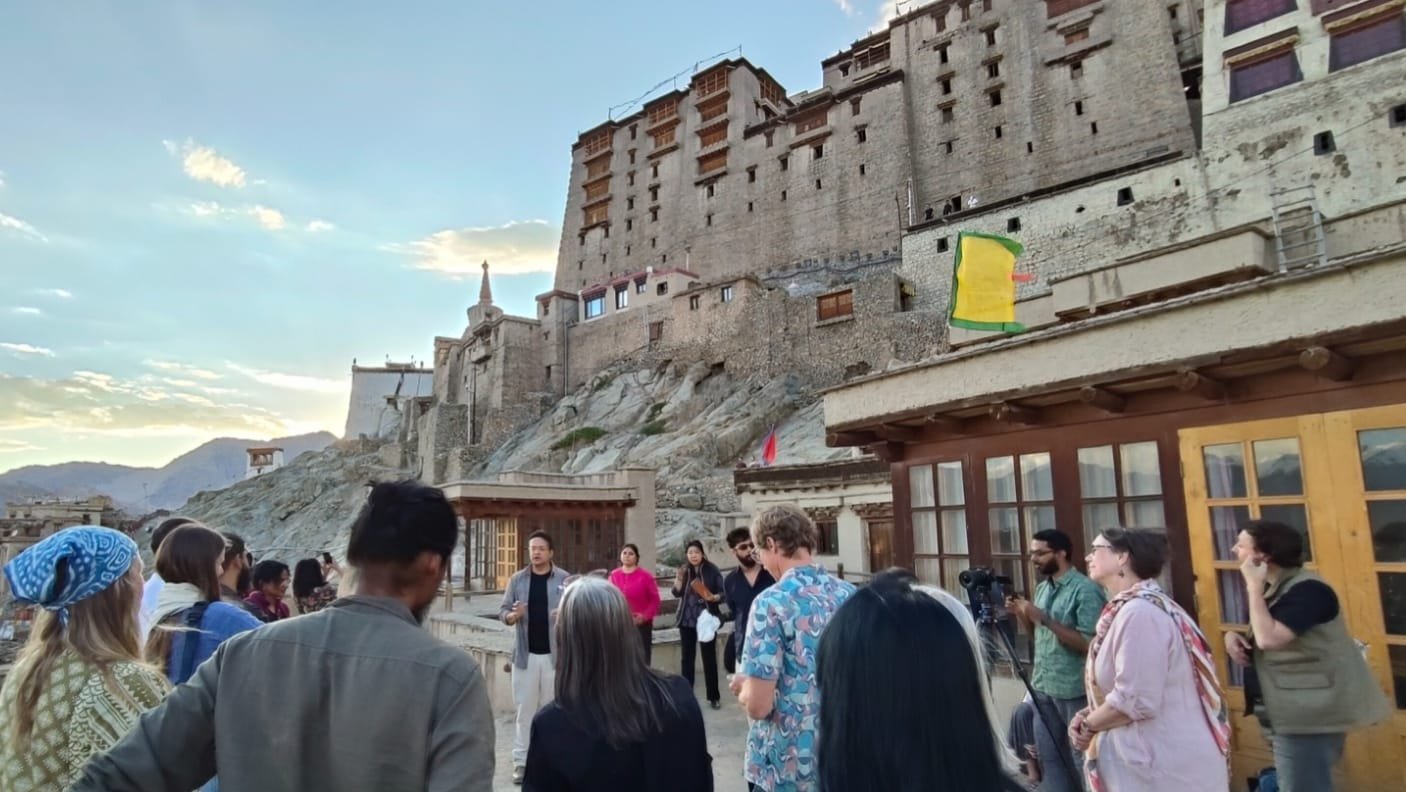
The residency program took full advantage of resources available to learn about Ladakh’s history through the Old Town Heritage Walk and a visit to Stok palace. We met with His Highness King Gyalpo Jigmed Wangchuk Namgyal to hear about his vision for Ladakh to maintain the strong cultural and community values that have characterized Ladakhi life grounded in indigenous knowledge of the region to live in harmony with the land even as the need for education, economic opportunity, expanded medical care, and other benefits of modernization for a growing population are pursued. We toured the campus of the Himalayan Institute of Alternatives, Ladakh (HIAL) and met founders Sonam Wangchuk and Gitanjali Angmo to learn of the many ways the Institute is identifying ways of using local, indigenous knowledge of the environment in combination with newer, recent technologies to develop strategies for a sustainable and thriving future for Ladakh and its people. We were astounded by the innovative thinking and vital strategies being developed there.
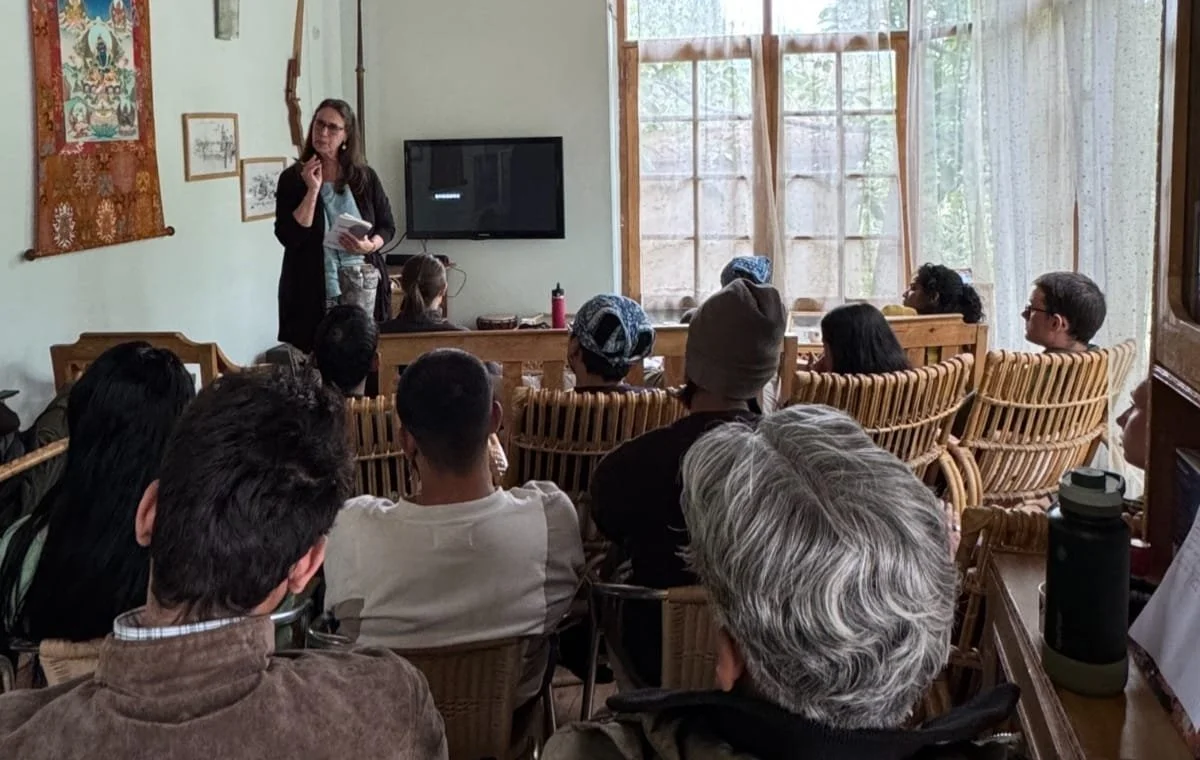
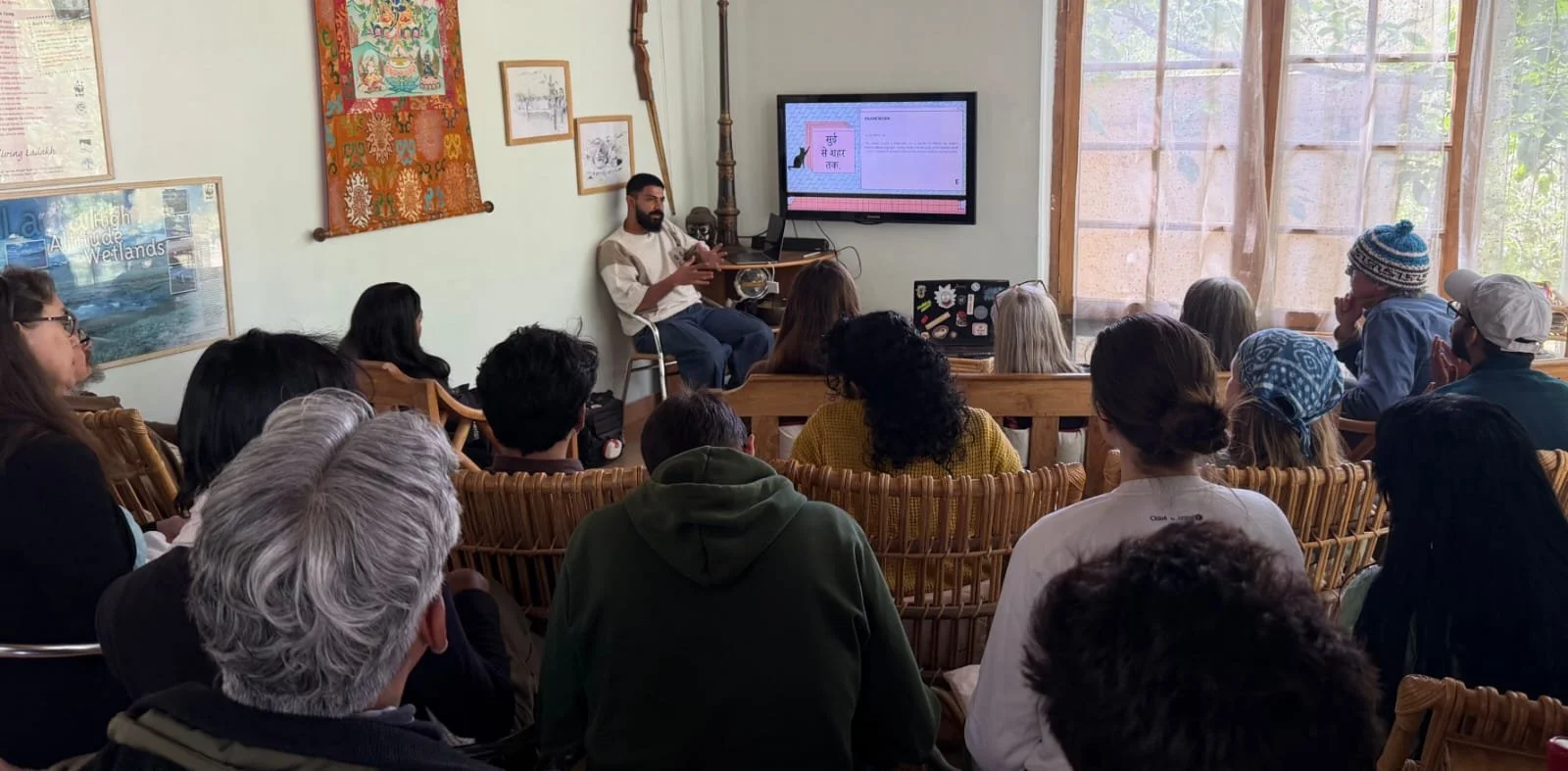
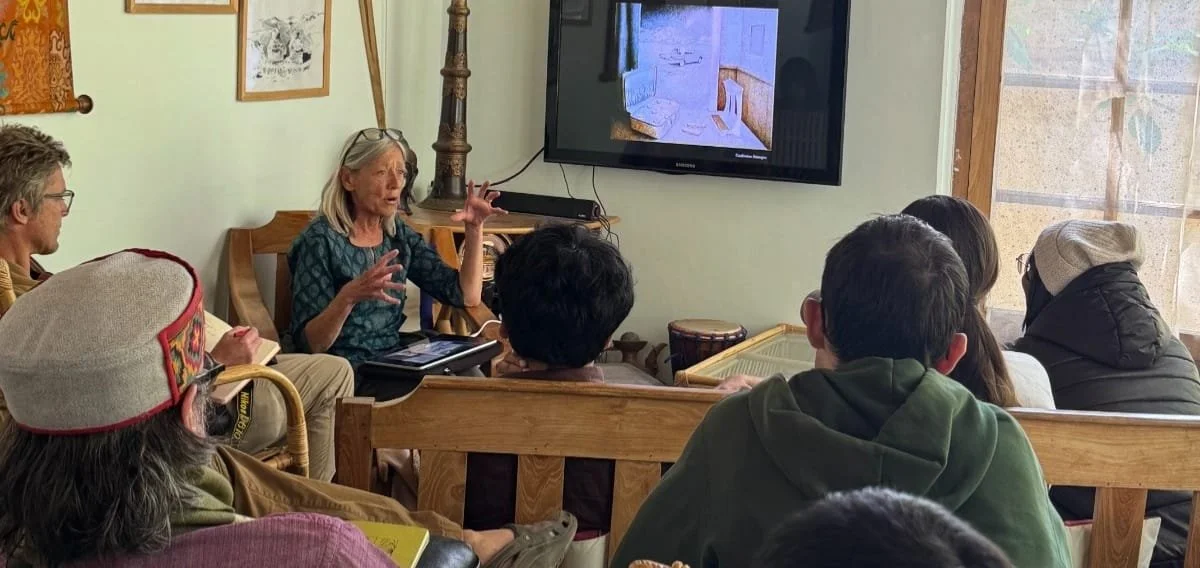
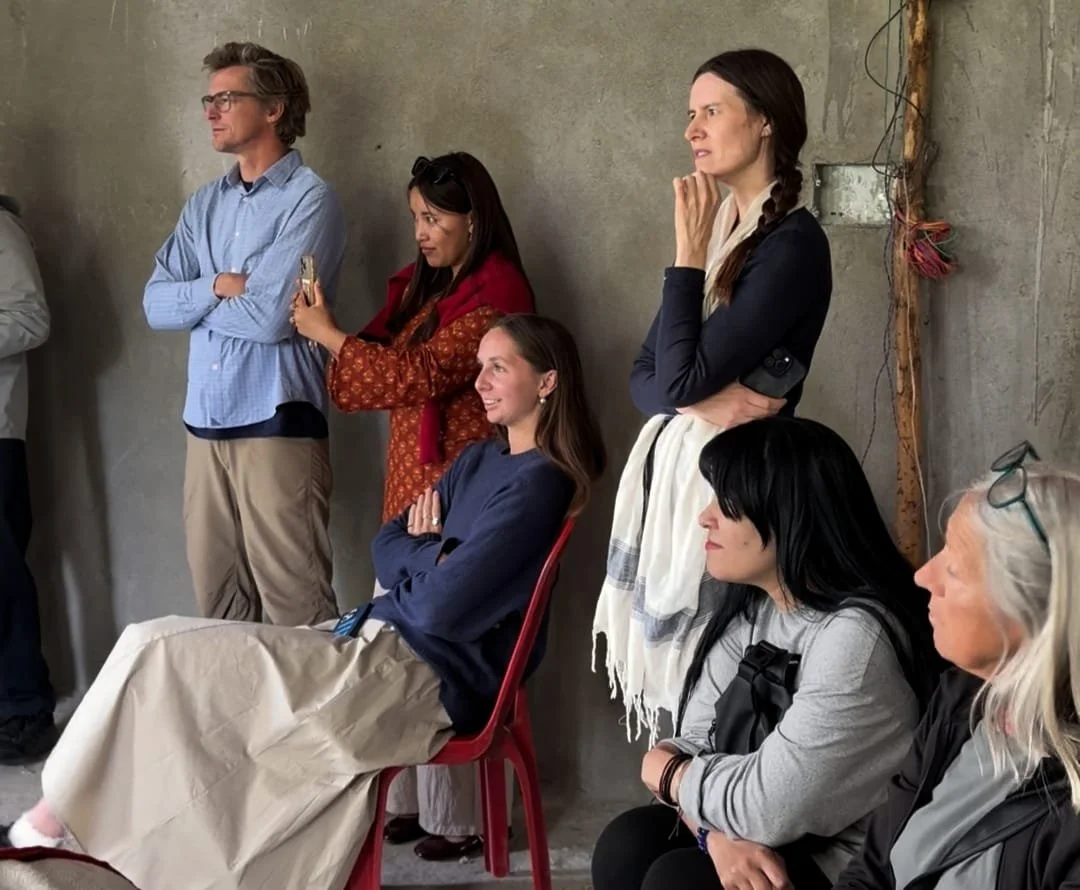
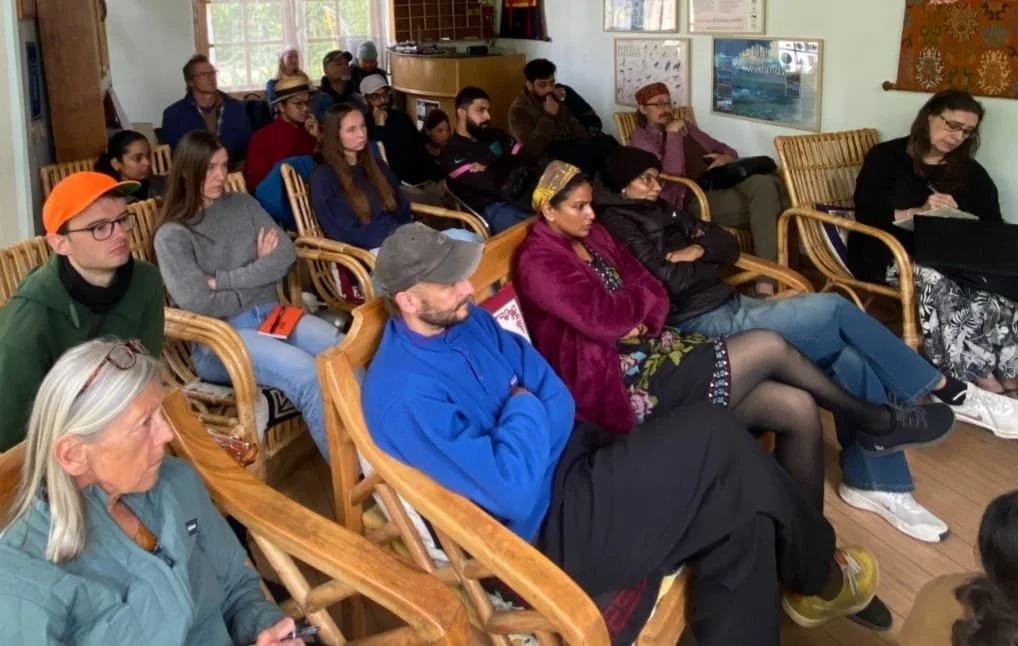
And we met with Professor Elijah S. Gergan to discuss a wide range of aspects of Ladakh’s history and complex present, gaining additional perspective in a conversation that was both inspiring and hopeful. Throughout this time and varied engagement, we were repeatedly confronted with the necessity of ensuring that we preserve what is of essential and ongoing value from traditional life and indigenous knowledge even as we must be selective about what we embrace from the new, convinced that we must balance the two if we are to shape a future where human beings will thrive.
As a land of vast spaces and limited resources, the Ladakhi have put to careful and creative use these resources to establish a way of life that fostered human and environmental flourishing. In many ways Ladakh is in microcosm what we now recognize as the reality of the rest of the world where resources are limited and economic development appears to be the driving force even as new technologies threaten to subordinate the well-being of humanity in the name of ‘progress.’
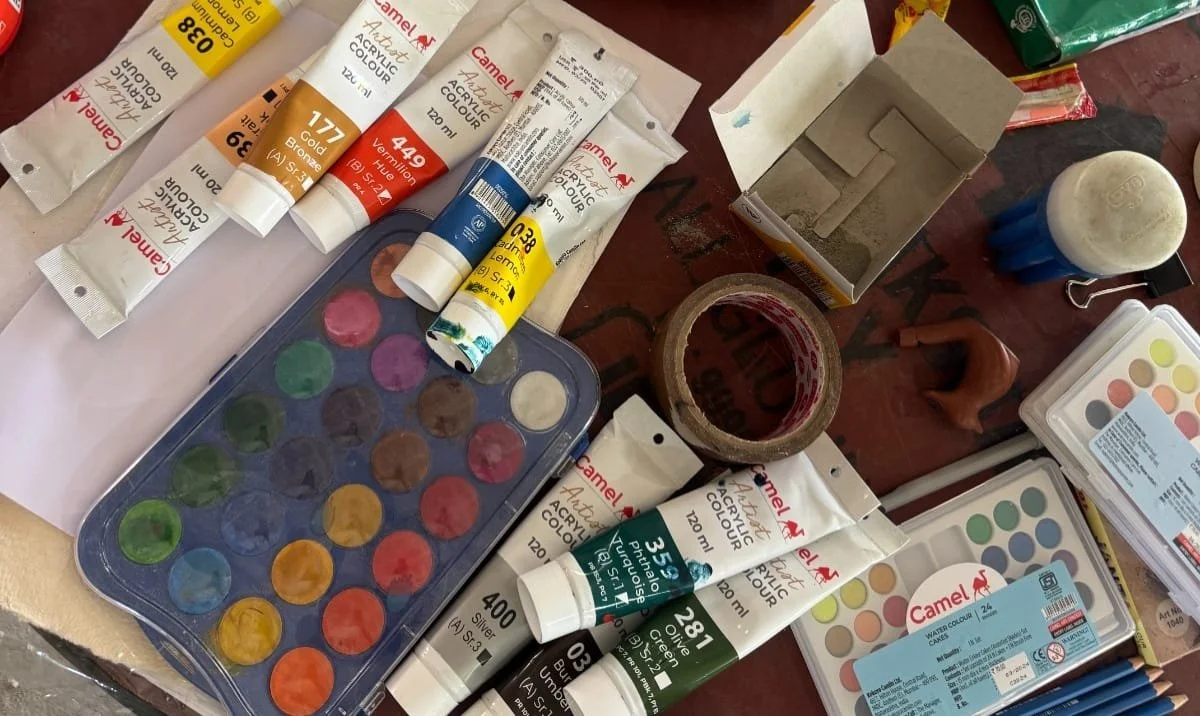
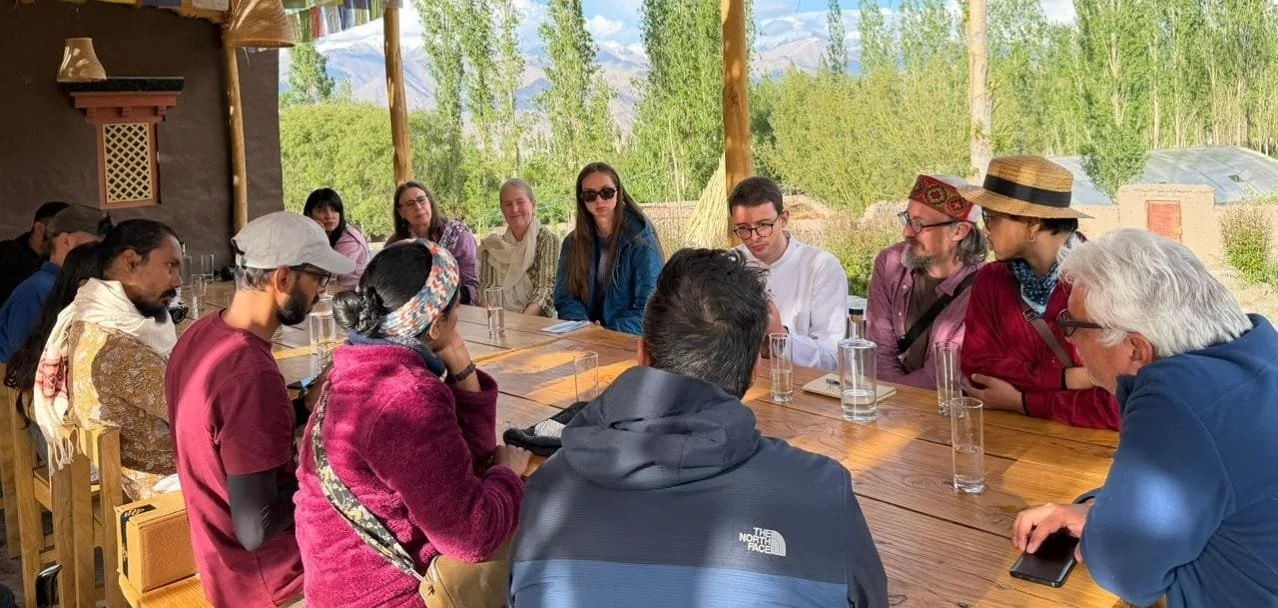
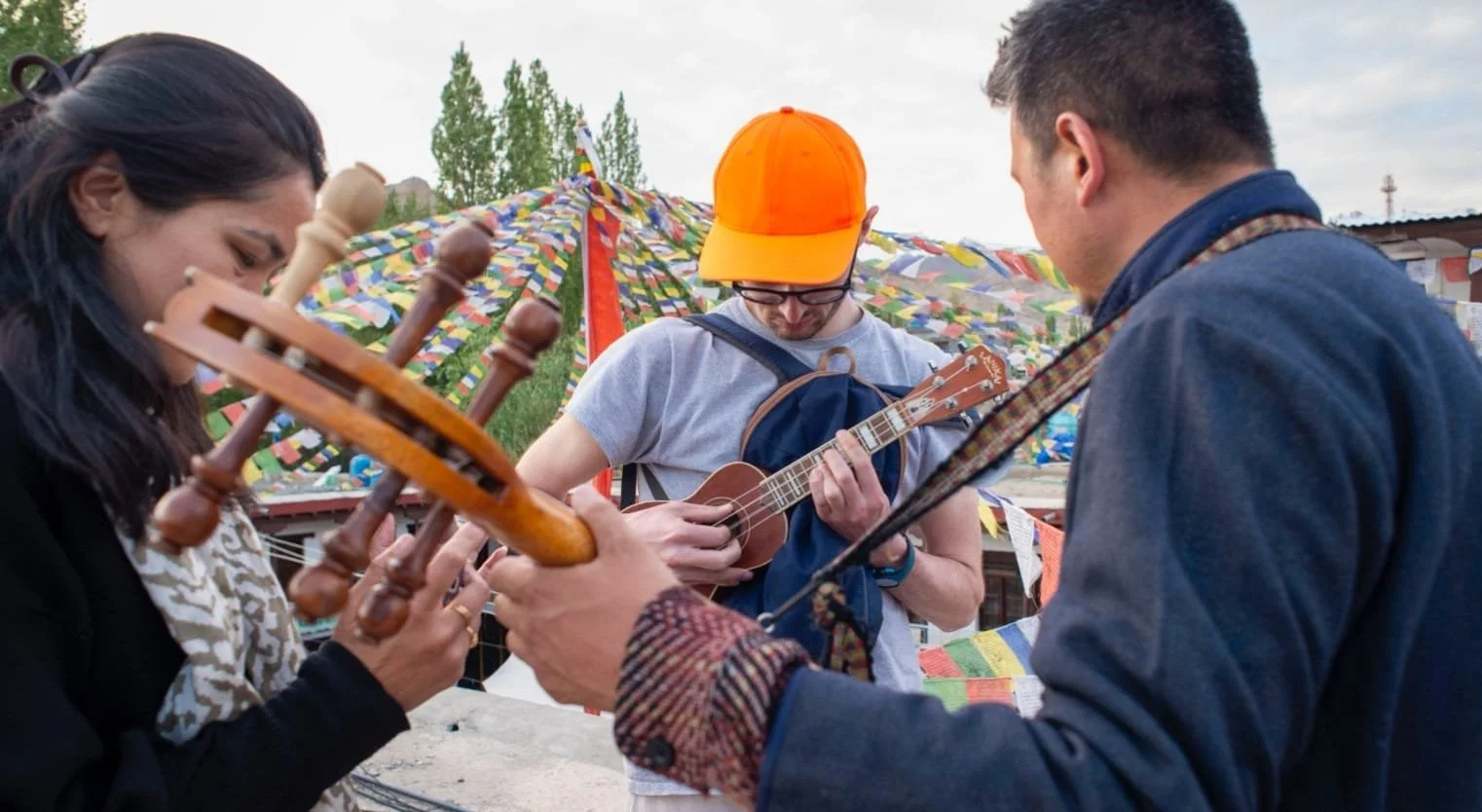
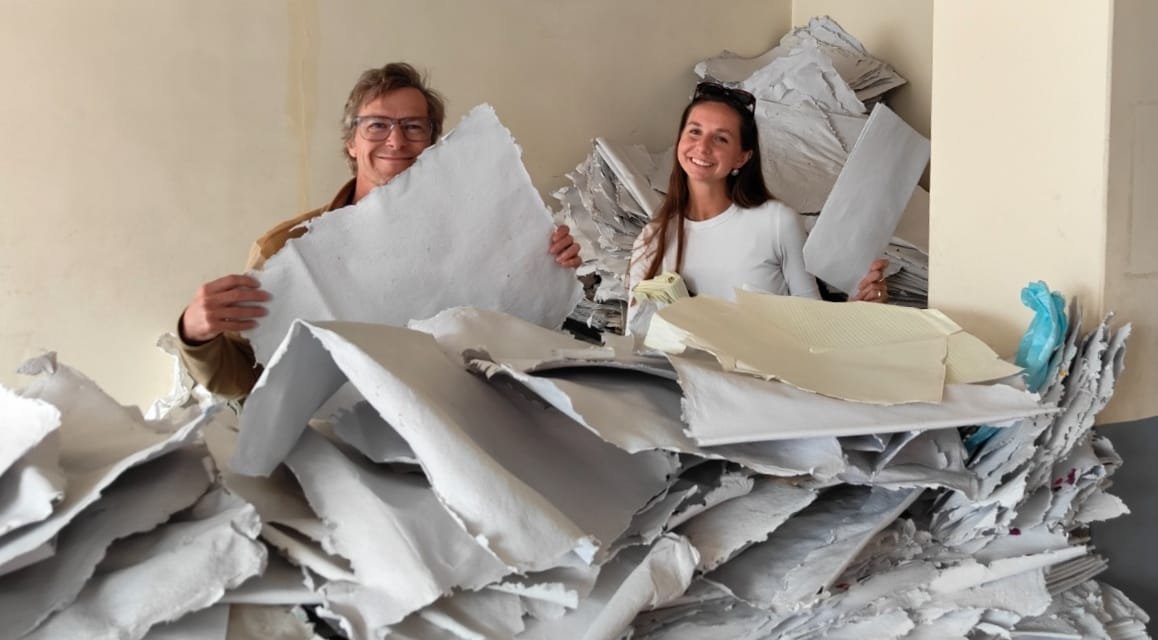
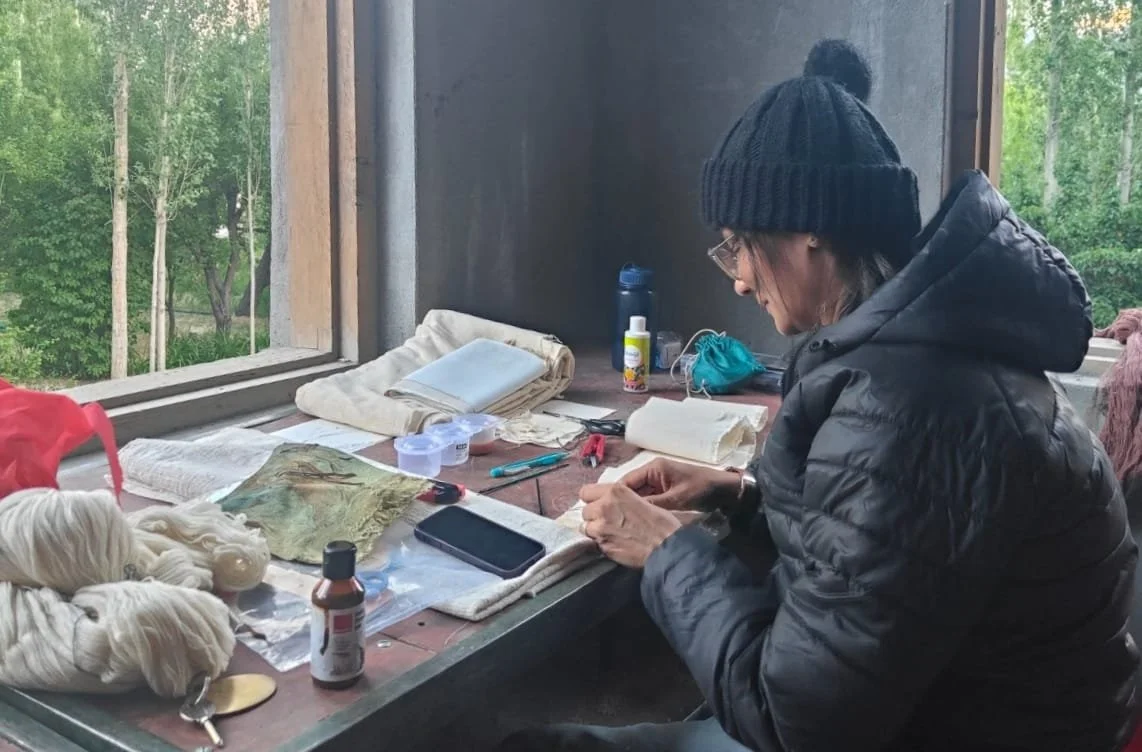
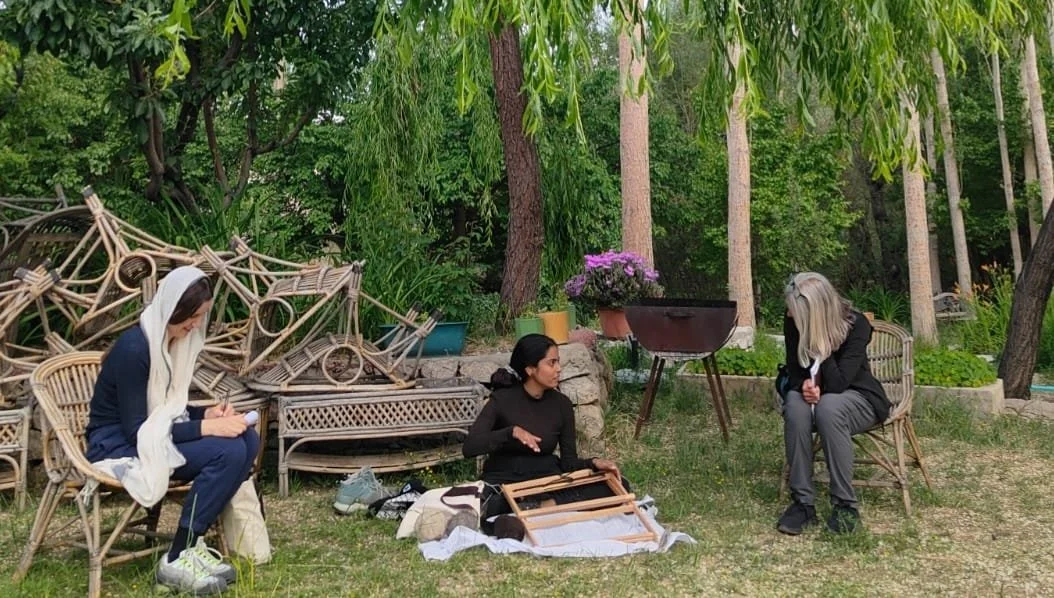
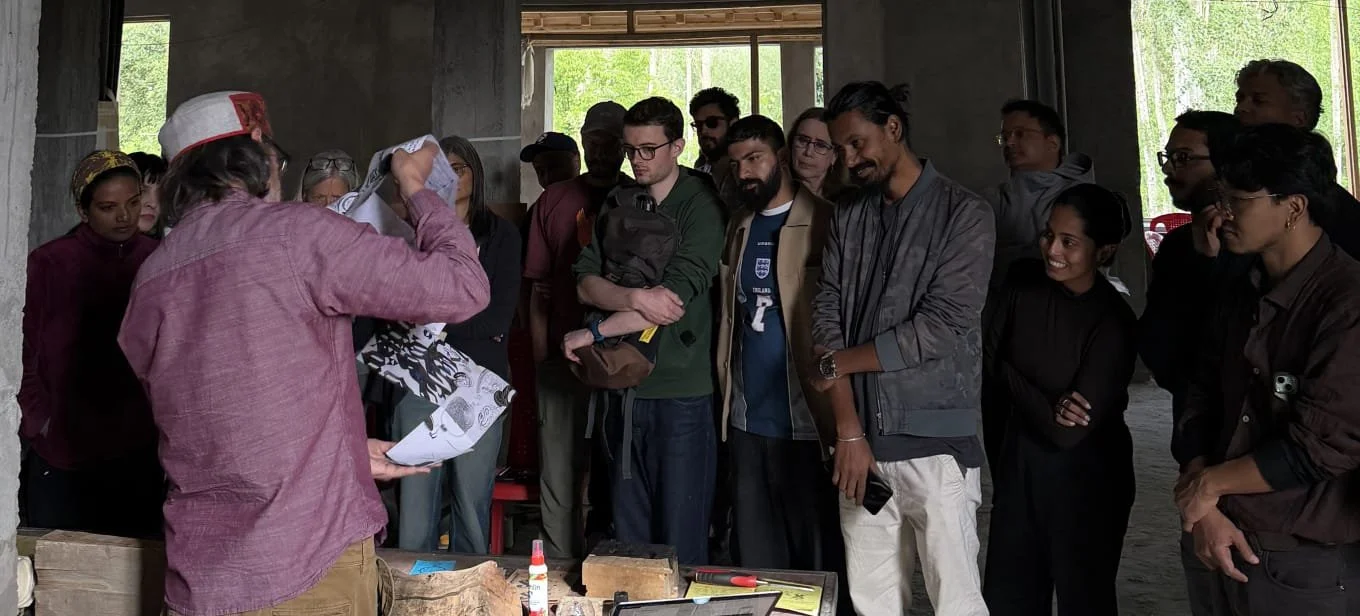
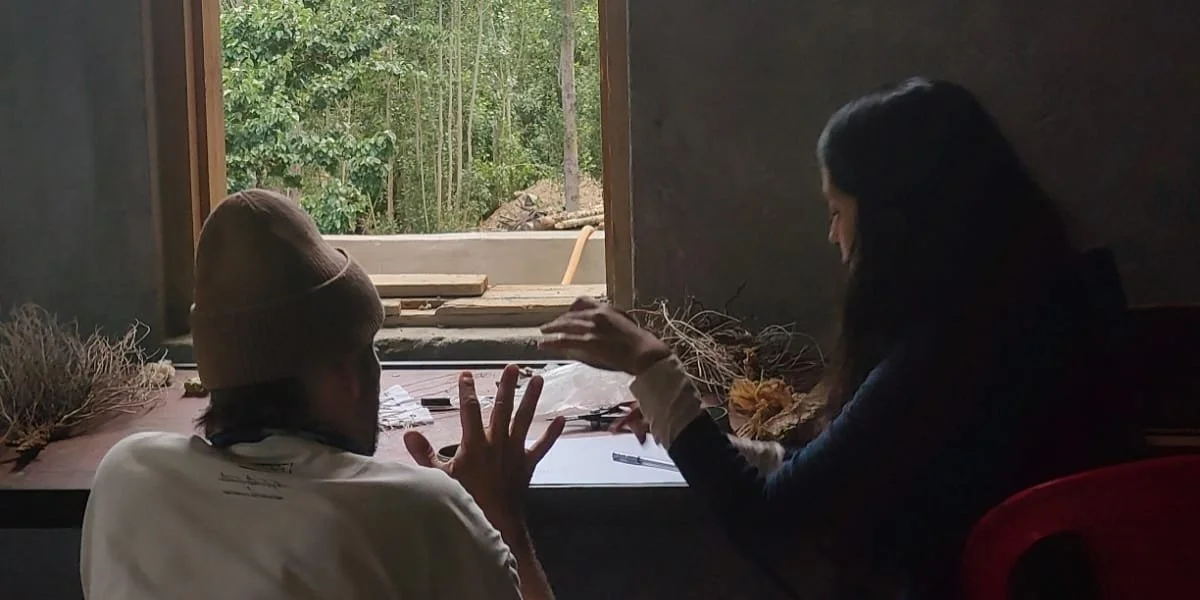
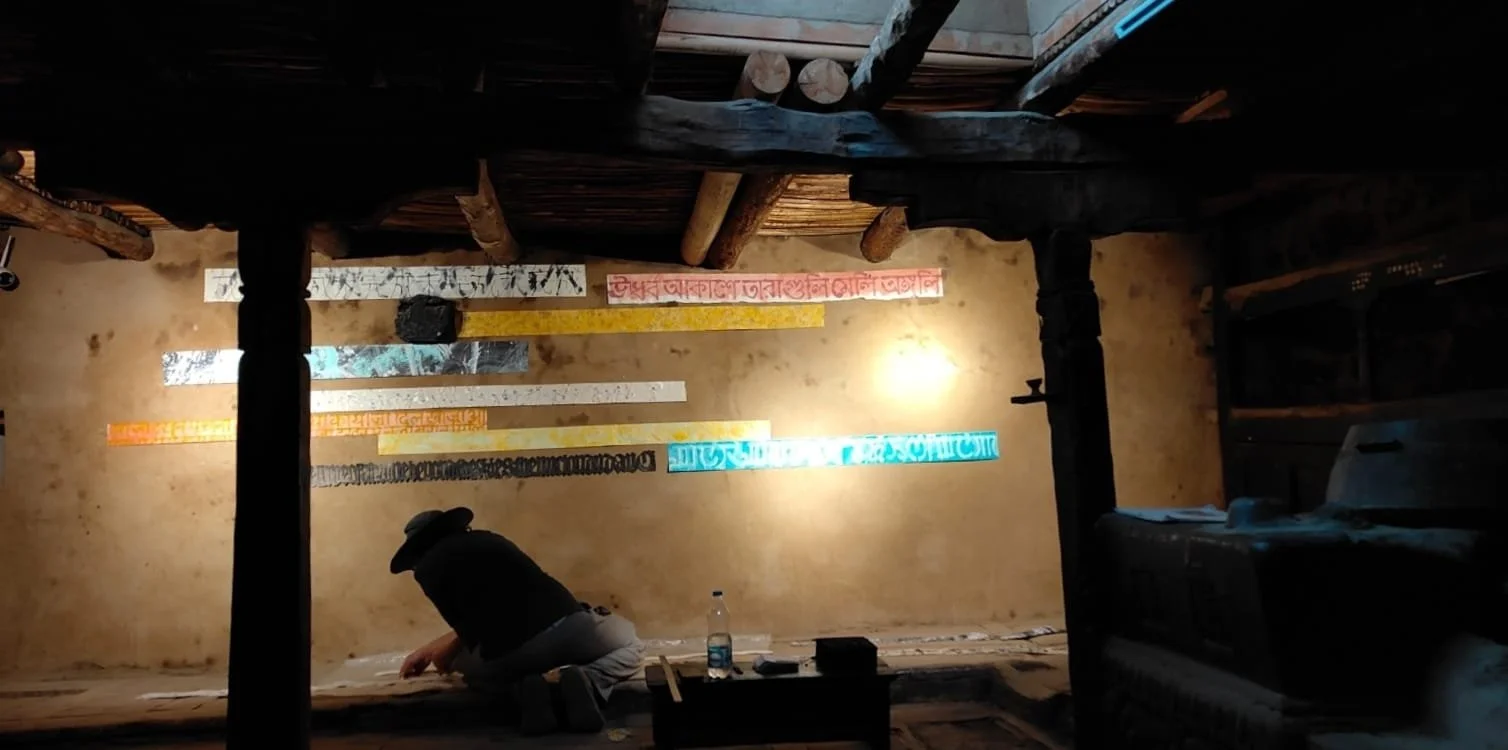
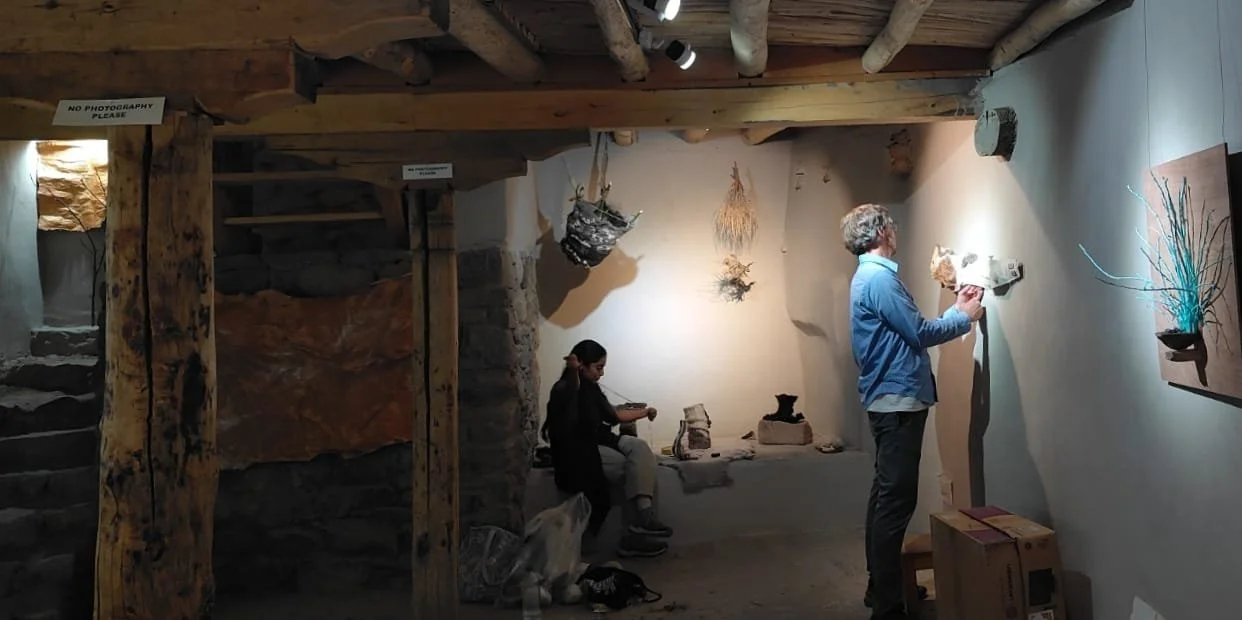
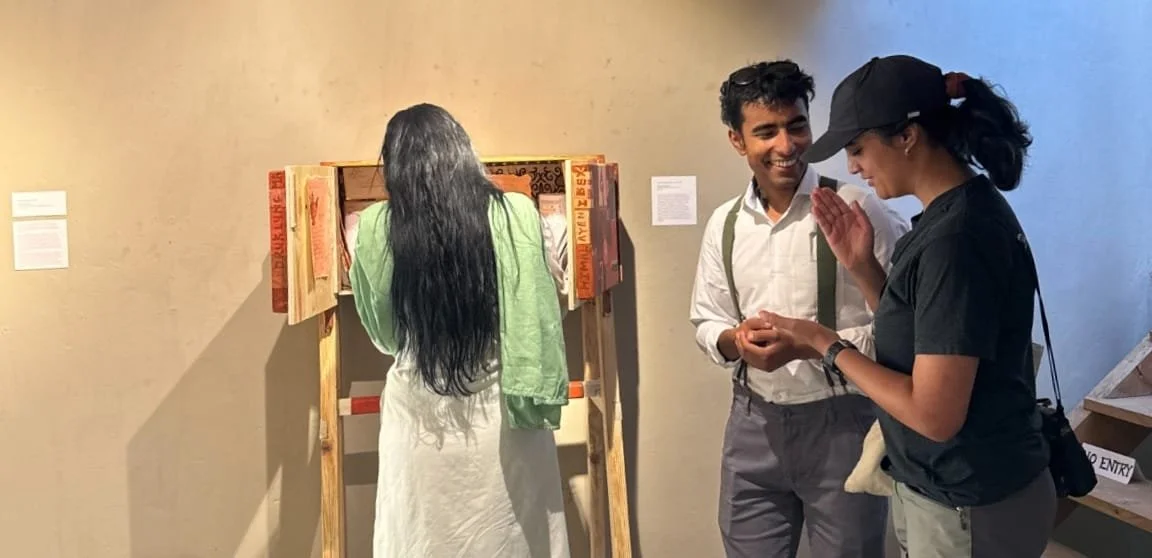
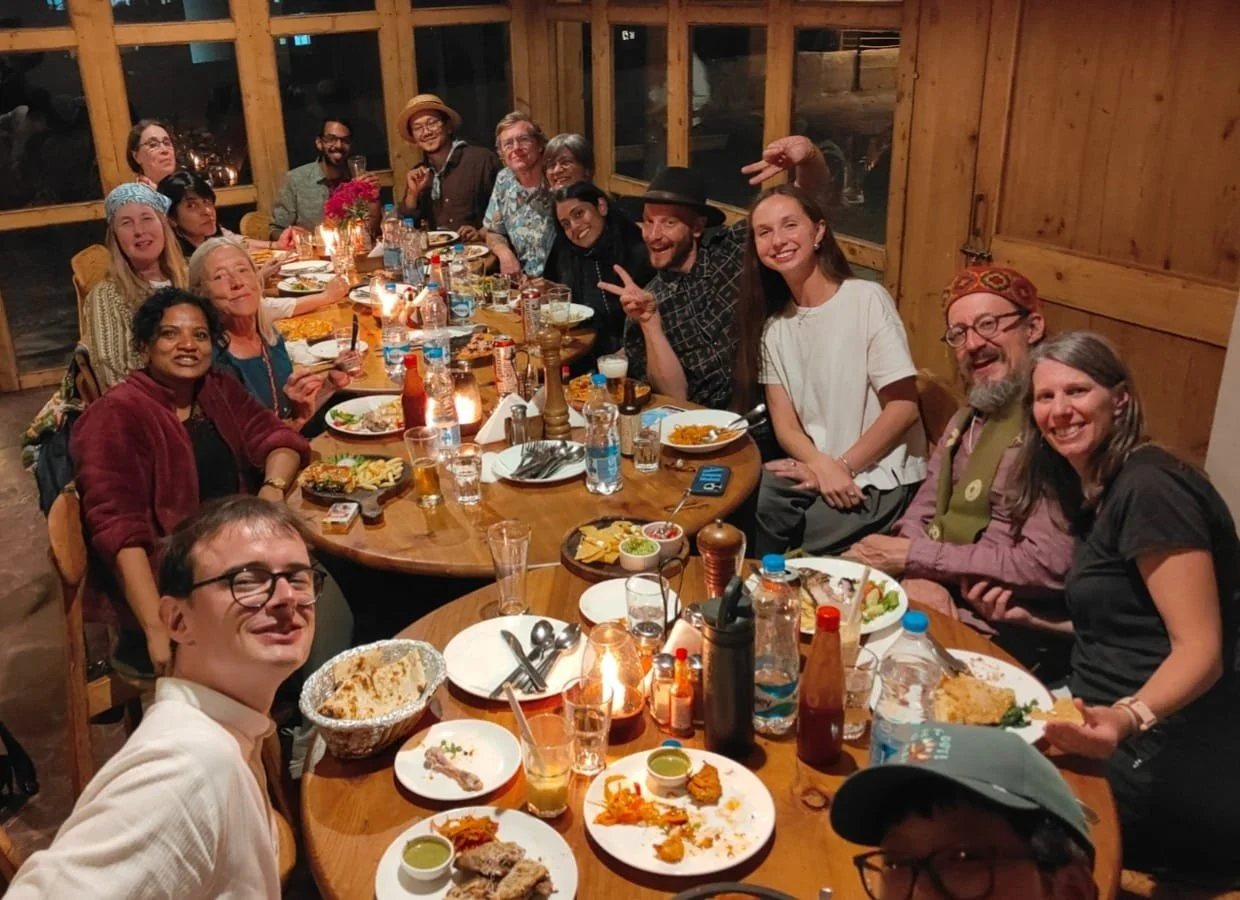
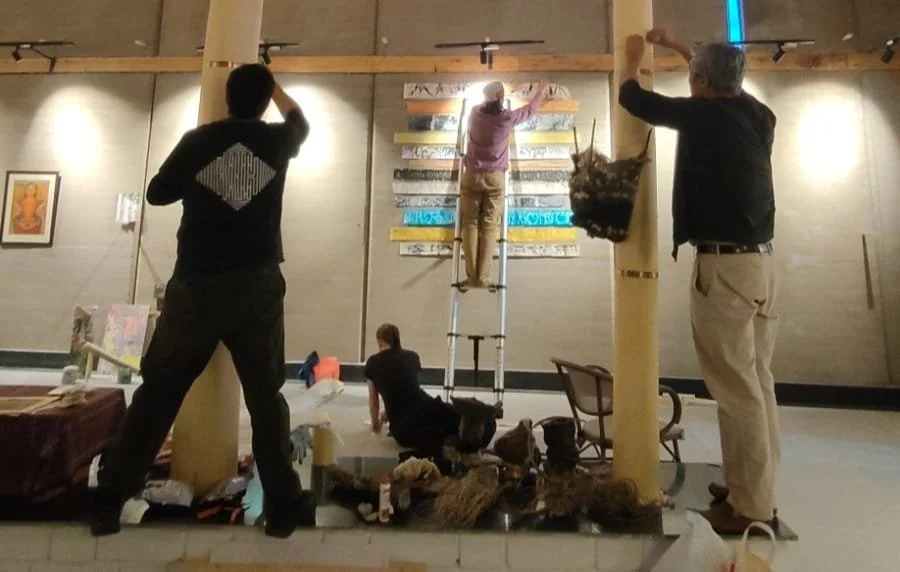
In these two weeks together, we, too, have practiced living within limits—limits of time and material resources to employ only what is readily available to make works of art to share with the community of Leh in this exhibition. It has required patience, persistence, ingenuity, and, perhaps most significantly, a dependence on the knowledge and expertise of the local people who have given generously to us, reminding us that our greatest resource in this world is each other. It has reinforced our awareness of our interdependence and that as humans we are inextricably bound to one another.
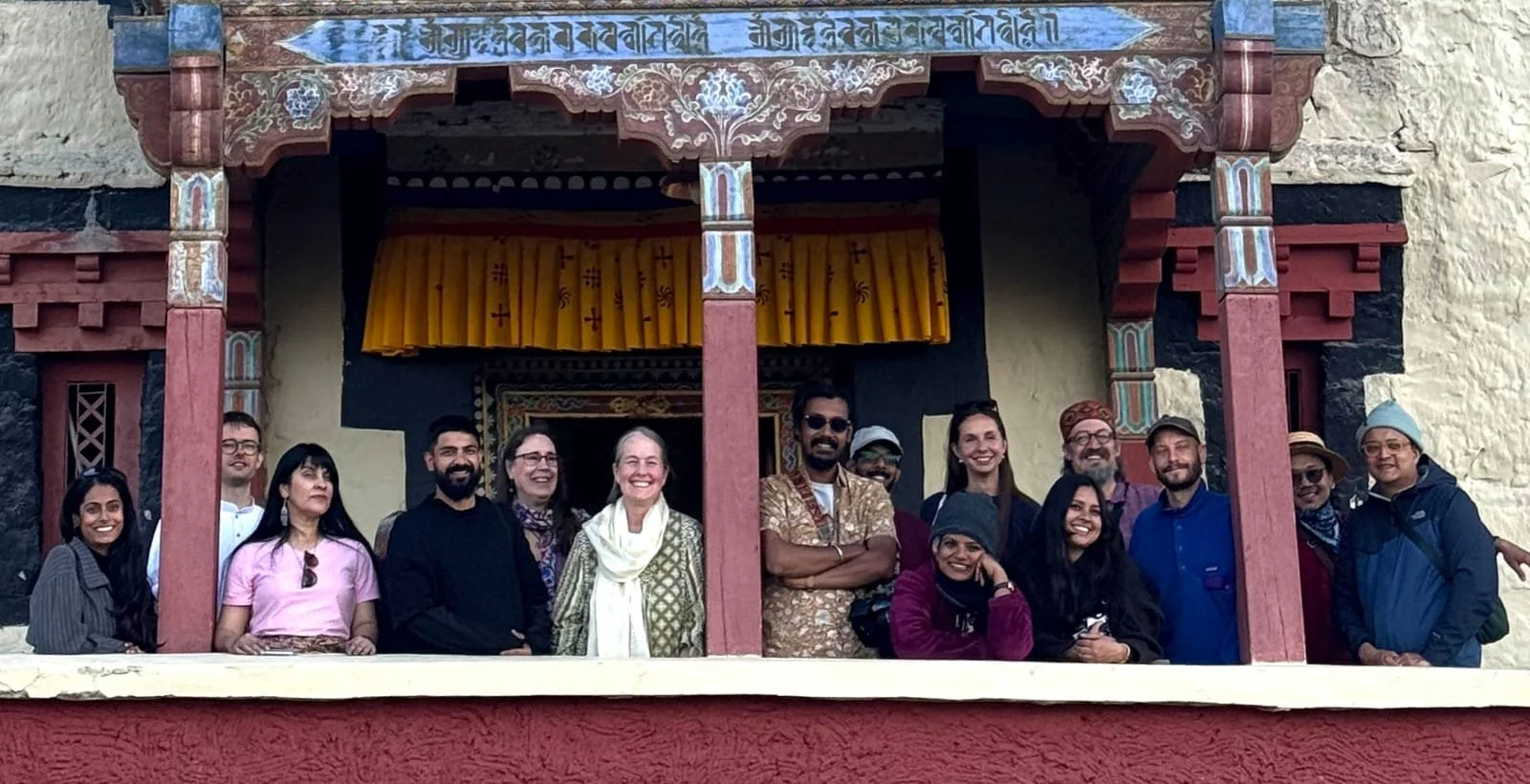
Early in our time together, we learned about the rabsal, the traditional projecting wooden balcony in Ladakhi architecture, ornately carved and attached to the main sitting room of a dwelling to capture sunlight during the long cold winters while blocking out harsh winds and the desert dust. Historically, the rabsal served as a social gathering space for drinking tea and welcoming guests. In local cultural history and architecture, the rabsal is the quiet threshold between the inner sanctuary of the home and the vast mountain landscape outside. It is the keeper of warmth, and a space for connection. For generations, the rabsal has served as the family’s viewing platform to take in the vast open terrain, watch the changing light on the mountains, and stay connected with the surrounding village and land. For our group, the rabsal became a metaphor for that which we humans need and desire most: embodied relationship to the earth and to each other. This exhibition is our invitation to come and sit a while with these works and with others to ponder afresh this distinctive gift of what it means to be human in this age of technological advance.…the highest purpose of this world is not merely living in it, knowing it and making use of it, but realizing our own selves in it through expansion of sympathy; not alienating ourselves from it and dominating, but comprehending and uniting it with ourselves in perfect union. —Rabindranath Tagore, Creative Unity (1922)
—Rachel Hostetter Smith, PhD
Curator and Mentor, 2026 International Artist Residency Art for Change. Gilkison Distinguished Professor of Art, Taylor University, USA
Thinking Hands: Nature, Embodiment, and Human Being in the Age of Technology
You cannot stay on the summit forever; you have to come down again. So why bother in the first place? Just this: What is above knows what is below, and what is below does not know what is above. One climbs, one sees. One descends one sees no longer, but one has seen. There is an art of conducting oneself in the lower regions by the memory of what one saw higher up. — René Daumal, French writer (1908-1944)
In June 2026 sixteen artists from across India and around the globe gathered for two weeks of immersive engagement and art-making in the vast, rugged Himalayan landscape of Ladakh for the 10th Art for Change International Artist Residency on the theme ‘What to do with Technology: Human Being in An Age of Tech.’ What exactly is technology? What does it mean to be human? And why does that question feel particularly urgent right now? More specifically what does Ladakh, its landscape, its people, its centuries of life at the edge of survival, reveal about what humans truly need to flourish? These are just a few of the questions we took up in this time of living, learning, and making art together. The title of this exhibition, Thinking Hands, was inspired by the book The Thinking Hand: Existential and Embodied Wisdom in Architecture by Julani Pallasmaa (2009). It reflects the ways that we as human beings, and artists in particular, come to understand things more fully through making and our bodily engagement with the world of which we are a part. The works you see here, then, reflect that process as we pondered these things together.
We started our time together by spending the better part of a day as individuals alone in Ladakh’s austere and awe-inspiring landscape, each person made to feel small by the jagged rocky mountain surround under a constantly changing sky, with small streams feeding new life in the valley below, accompanied by horses contentedly munching on tender shoots of green and the occasional house. But we also observed the signs of modernization: the harsh clanging of a dump truck laying the foundation for a new road, electrical towers piercing the skyline, and bits of refuse left by previous visitors to the valley.
We also met via videoconference for a session with Dan Turello, the author of a book titled Connection: How Technology Can Make Us Better Humans who was in Washington, DC which reminded us of the many ways that technology provides the means to bridge time and geographical distance today to connect with people around the globe today. Technology is simply creating a method of making or doing. Human beings are fundamentally makers who create a way of life by producing the objects and means to support it. Through these two initial experiences, we were reminded of the indispensible fact of our embodiment and how human beings ‘know’ things through our senses and bodily relationship to the earth and each other.
Ladakh has been the perfect place to withdraw from the frenetic pace of modern urban life to reflect upon the impact of the technological advances that are transforming the way we communicate, work, and live at what seems to be a breakneck speed. Ladakh itself has been rapidly changing in recent decades from a largely agrarian, sustainable way of life with deep family, community, and religious foundations that provided stability, belonging, and satisfaction as a result of modernization and the promotion of Ladakh as a tourist destination that has driven a great deal of the economic development.
The residency program took full advantage of resources available to learn about Ladakh’s history through the Old Town Heritage Walk and a visit to Stok palace. We met with His Highness King Gyalpo Jigmed Wangchuk Namgyal to hear about his vision for Ladakh to maintain the strong cultural and community values that have characterized Ladakhi life grounded in indigenous knowledge of the region to live in harmony with the land even as the need for education, economic opportunity, expanded medical care, and other benefits of modernization for a growing population are pursued. We toured the campus of the Himalayan Institute of Alternatives, Ladakh (HIAL) and met founders Sonam Wangchuk and Gitanjali Angmo to learn of the many ways the Institute is identifying ways of using local, indigenous knowledge of the environment in combination with newer, recent technologies to develop strategies for a sustainable and thriving future for Ladakh and its people. We were astounded by the innovative thinking and vital strategies being developed there.
And we met with Professor Elijah S. Gergan to discuss a wide range of aspects of Ladakh’s history and complex present, gaining additional perspective in a conversation that was both inspiring and hopeful. Throughout this time and varied engagement, we were repeatedly confronted with the necessity of ensuring that we preserve what is of essential and ongoing value from traditional life and indigenous knowledge even as we must be selective about what we embrace from the new, convinced that we must balance the two if we are to shape a future where human beings will thrive.
As a land of vast spaces and limited resources, the Ladakhi have put to careful and creative use these resources to establish a way of life that fostered human and environmental flourishing. In many ways Ladakh is in microcosm what we now recognize as the reality of the rest of the world where resources are limited and economic development appears to be the driving force even as new technologies threaten to subordinate the well-being of humanity in the name of ‘progress.’
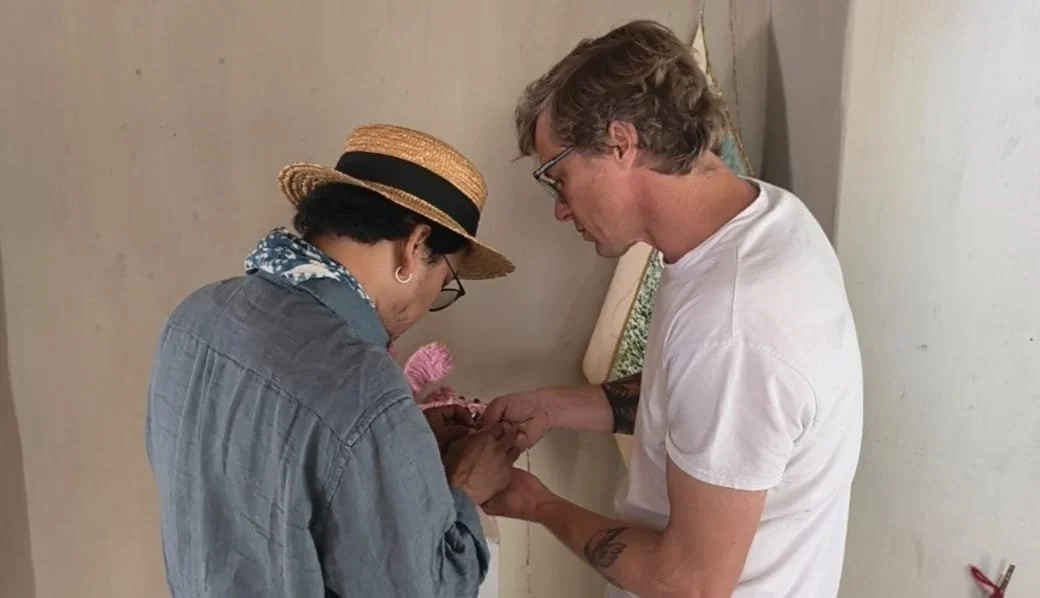
In these two weeks together, we, too, have practiced living within limits—limits of time and material resources to employ only what is readily available to make works of art to share with the community of Leh in this exhibition. It has required patience, persistence, ingenuity, and, perhaps most significantly, a dependence on the knowledge and expertise of the local people who have given generously to us, reminding us that our greatest resource in this world is each other. It has reinforced our awareness of our interdependence and that as humans we are inextricably bound to one another.
Early in our time together, we learned about the rabsal, the traditional projecting wooden balcony in Ladakhi architecture, ornately carved and attached to the main sitting room of a dwelling to capture sunlight during the long cold winters while blocking out harsh winds and the desert dust. Historically, the rabsal served as a social gathering space for drinking tea and welcoming guests. In local cultural history and architecture, the rabsal is the quiet threshold between the inner sanctuary of the home and the vast mountain landscape outside. It is the keeper of warmth, and a space for connection. For generations, the rabsal has served as the family’s viewing platform to take in the vast open terrain, watch the changing light on the mountains, and stay connected with the surrounding village and land. For our group, the rabsal became a metaphor for that which we humans need and desire most: embodied relationship to the earth and to each other. This exhibition is our invitation to come and sit a while with these works and with others to ponder afresh this distinctive gift of what it means to be human in this age of technological advance.…the highest purpose of this world is not merely living in it, knowing it and making use of it, but realizing our own selves in it through expansion of sympathy; not alienating ourselves from it and dominating, but comprehending and uniting it with ourselves in perfect union. —Rabindranath Tagore, Creative Unity (1922)
—Rachel Hostetter Smith, PhD
Curator and Mentor, 2026 International Artist Residency Art for Change. Gilkison Distinguished Professor of Art, Taylor University, USA
Quisque iaculis facilisis lacinia. Mauris euismod pellentesque tellus sit amet mollis.